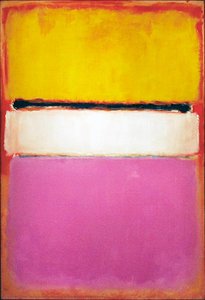
Giclée- eller lerretsprint av museumskvalitet med rask produksjon og fleksible valgmuligheter for etterbehandling. ( Kjøp håndlaget maleri Kjøp bilde)
Velg mellom våre forhåndsdefinerte størrelser som bevarer kunstverkets opprinnelige proporsjoner.

Du kan oppgi egne mål for å tilpasse en spesifikk ramme eller et bestemt område. Dersom den valgte størrelsen ikke samsvarer med det originale bildets proporsjoner, vil vi enten beskjære kunstverket eller utvide bildet med en speilet eller ensfarget kant. En digital mockup vil bli sendt til din godkjenning før produksjonen starter.
Vennligst merk at forhåndsvisningen på skjermen ikke gjenspeiler den faktiske beskjæringen eller utvidelsen. Kun mockuppen vil vise den endelige komposisjonen nøyaktig.
Selv om tilpassede størrelser er tilgjengelige, anbefaler vi å velge et mål fra den forhåndsdefinerte listen for å bevare de originale proporsjonene.
Verdensomspennende levering () på 2 uker i stedet for standard 4/5 uker. (16 August)


Street Scene
Størrelse på reproduksjon
Mark Rothko’s “Street Scene,” painted circa 1937, stands as a testament to the artist's profound engagement with existential themes—specifically, the vulnerability of human experience within the confines of urban space. This deceptively simple composition captures a moment of quiet contemplation beneath an overwhelming architectural presence, reflecting the anxieties inherent in navigating a complex world.
The historical context surrounding “Street Scene” is crucial to understanding its significance. Created during Rothko’s formative years in New York City, it reflects the burgeoning anxieties of the era – concerns about displacement and alienation amidst rapid urbanization. The artist's own experiences as a refugee from Latvia undoubtedly informed his artistic vision.
Symbolism: Beyond its visual aesthetic, “Street Scene” operates on multiple symbolic levels. The towering architectural element—likely a balcony or staircase—represents authority and oppression, visually encapsulating the pressures of societal structures. Conversely, the figures embody vulnerability and isolation, symbolizing humanity’s struggle to find solace in an indifferent universe. Rothko's masterful use of color contributes significantly to this symbolism; the cool blues and grays evoke feelings of melancholy and introspection.
Emotional Impact: Ultimately, “Street Scene” succeeds in conveying a powerful emotional response. The artwork’s subdued palette, combined with its expressive brushstrokes and skewed perspective, generates a sense of unease and disorientation—drawing the viewer into a contemplative state. Rothko's intention was not to depict reality but rather to evoke feeling; he sought to communicate profound psychological truths through abstract forms.
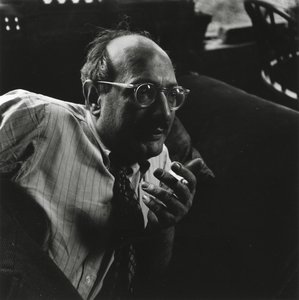
1903 - 1970 , Latvia

Dive into the high-voltage world of Abstract Expressionism. Explore the raw energy of Action Painting and the legendary masters of the New York School through a visual journey of pure chaos and color. Discover how to bring bold, high-impact abstract art into your modern space.

Master the high-impact world of contemporary abstraction. Discover how bold colors, textures, and modern movements like Abstract Expressionism can transform your space with premium, high-energy art curated for the design-conscious professional.

Dive into the raw power of Abstract Expressionism. Explore the high-octane energy of action painting and color field mastery. Discover how these bold, visceral movements redefine modern interiors with high-impact, premium abstract art for the contemporary collector.

Master the power of Color Field painting. Discover how bold, immersive color transforms modern spaces through this expert guide to one of art's most impactful movements. Elevate your interior design with high-impact, contemporary abstract aesthetics.


Hold deg oppdatert med de siste kunstnyhetene, eksklusive tilbud og dekorasjonsideer.
Fortell oss om prosjektet ditt, så vil våre kunsteksperter gi deg 3 personlige kunstforslag.
Vi velger ut 3 alternativer kun for deg – helt gratis!


 Forhåndsvisning
 Send
Send Del med andre
 Vis detaljer

 Last ned bildet
 Liknende objekter
 Røntgenundersøkelse
 Lysbildefremvisning
 Vis hele teksten




































 Glassalternativet er kun tilgjengelig i størrelser under 110 cm