Giclée- eller lerretsprint av museumskvalitet med rask produksjon og fleksible valgmuligheter for etterbehandling. ( Bytt til håndmalt maleri Bytt til bilde)
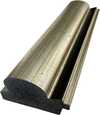
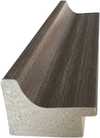
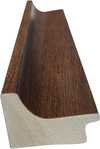
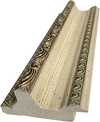
Velg mellom våre forhåndsdefinerte størrelser som bevarer kunstverkets opprinnelige proporsjoner.

Du kan oppgi egne mål for å tilpasse en spesifikk ramme eller et bestemt område. Dersom den valgte størrelsen ikke samsvarer med det originale bildets proporsjoner, vil vi enten beskjære kunstverket eller utvide bildet med en speilet eller ensfarget kant. En digital mockup vil bli sendt til din godkjenning før produksjonen starter.
Vennligst merk at forhåndsvisningen på skjermen ikke gjenspeiler den faktiske beskjæringen eller utvidelsen. Kun mockuppen vil vise den endelige komposisjonen nøyaktig.
Selv om tilpassede størrelser er tilgjengelige, anbefaler vi å velge et mål fra den forhåndsdefinerte listen for å bevare de originale proporsjonene.
Verdensomspennende levering () på 2 uker i stedet for standard 4/5 uker. (30 July)


Bugs Bunny
Størrelse på reproduksjon
Roy Lichtenstein’s “Bugs Bunny” isn’t merely a depiction of the iconic cartoon character; it’s a meticulously crafted embodiment of the Pop Art movement’s revolutionary approach to imagery and representation. Executed in 1957, this painting captures Bugs Bunny in a moment of calculated menace – his open mouth, exaggerated teeth, and piercing gaze transforming the beloved rabbit into a potent symbol of American popular culture. The work stands as a testament to Lichtenstein's ability to elevate everyday subjects—in this case, a cartoon character—to the level of high art, challenging traditional notions of artistic merit and demanding attention to the visual language of mass media.
“Bugs Bunny” is deeply embedded within the context of 1950s America, a period defined by burgeoning consumer culture, mass media saturation, and the rise of popular entertainment. Bugs Bunny himself was—and remains—a cornerstone of this cultural landscape, representing irreverence, cunning, and ultimately, American ingenuity. Lichtenstein’s choice to depict him in an aggressive pose – a rare moment of vulnerability for the typically cheerful character – adds another layer of complexity. This deliberate subversion of the cartoon's established persona speaks to Pop Art’s broader critique of idealized representations and its embrace of the commonplace.
Created in 1957, “Bugs Bunny” emerged during a pivotal moment in art history. Roy Lichtenstein was at the forefront of the Pop Art movement, alongside artists like Andy Warhol and Claes Oldenburg. This movement challenged the dominance of Abstract Expressionism and sought to engage with contemporary culture through the appropriation of imagery from advertising, comic books, and popular media. Lichtenstein’s work has had a profound influence on subsequent generations of artists, solidifying his place as one of the 20th century's most important and influential figures. This reproduction offers a direct connection to this groundbreaking artistic movement, allowing you to experience Lichtenstein's innovative approach firsthand.

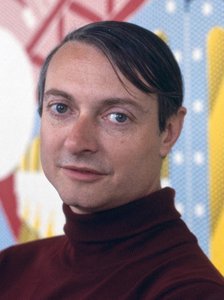
1923 - 1997 , USA
Skap et unikt og sofistikert hjem med din favoritt popkultur! Ekspertguide til å integrere film, spill & kunst uten kitsch. Kvalitetsråd for et personlig interiør.
Utforsk pop artens 10 mest ikoniske mesterverk! Lær historien bak Andy Warhol, Roy Lichtenstein og andre legender. Finn inspirasjon til hjemmedekor og kjøp museumskvalitets kunsttrykk på BuyPopArt.com.
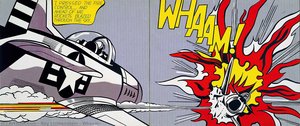
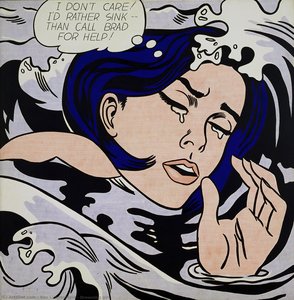
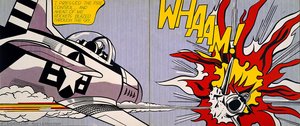
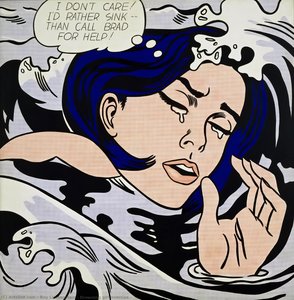
Utforsk Roy Lichtensteins 25 mest ikoniske pop art verk! Oppdag historien bak malerier som 'Whaam!' og 'Drowning Girl'. Finn inspirasjon til hjemmedekor og kjøp museumskvalitets kunsttrykk på BuyPopArt.com.
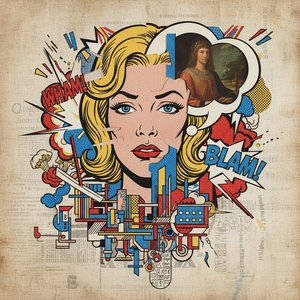
Explore Roy Lichtenstein's revolutionary Pop Art! Discover the story behind Ben-Day dots, iconic works like 'Whaam!', and investment insights for collectors. Expert analysis & high-quality reproductions at BuyPopArt.

Elevate your interiors with impactful statement walls! Expert guide on scaling artwork for perfect proportions & design harmony. Custom solutions & free consultations at BuyPopArt.


Hold deg oppdatert med de siste kunstnyhetene, eksklusive tilbud og dekorasjonsideer.
Fortell oss om prosjektet ditt, så vil våre kunsteksperter gi deg 3 personlige kunstforslag.
Vi velger ut 3 alternativer kun for deg – helt gratis!


 Forhåndsvisning
 Send
Send Del med andre
 Vis detaljer

 Last ned bildet
 Liknende objekter
 Røntgenundersøkelse
 Lysbildefremvisning

 Vis hele teksten
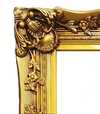
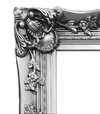
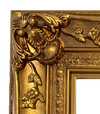
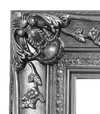
 Glassalternativet er kun tilgjengelig i størrelser under 110 cm