Oil On CanvasWallArtBaroque
 1558
1558 371.0 x 197.0 cm
 Museo Civico
Giclée- eller lerretsprint av museumskvalitet med rask produksjon og fleksible valgmuligheter for etterbehandling. ( Bytt til håndmalt maleri Bytt til bilde)





























Velg mellom våre forhåndsdefinerte størrelser som bevarer kunstverkets opprinnelige proporsjoner.

Du kan oppgi egne mål for å tilpasse en spesifikk ramme eller et bestemt område. Dersom den valgte størrelsen ikke samsvarer med det originale bildets proporsjoner, vil vi enten beskjære kunstverket eller utvide bildet med en speilet eller ensfarget kant. En digital mockup vil bli sendt til din godkjenning før produksjonen starter.
Vennligst merk at forhåndsvisningen på skjermen ikke gjenspeiler den faktiske beskjæringen eller utvidelsen. Kun mockuppen vil vise den endelige komposisjonen nøyaktig.
Selv om tilpassede størrelser er tilgjengelige, anbefaler vi å velge et mål fra den forhåndsdefinerte listen for å bevare de originale proporsjonene.
Verdensomspennende levering () på 2 uker i stedet for standard 4/5 uker. (10 August)


Crucifixion
Størrelse på reproduksjon
Tiziano Vecellio's "Crucifixion," completed in 1558 and currently residing within the sanctuary of San Domenico in Ancona, Italy, is not merely a depiction of a biblical event; it’s an immersive experience of grief, faith, and profound human suffering. Painted during a pivotal period of his artistic evolution, this monumental oil on canvas transcends simple representation to become a deeply emotive meditation on sacrifice and redemption – a cornerstone of the Venetian Renaissance's exploration of religious themes.
The scene unfolds with arresting immediacy. Christ, suspended upon the stark wooden cross, dominates the composition, yet he is not presented as a triumphant martyr but rather as a figure utterly consumed by agony. The artist’s masterful use of chiaroscuro – the dramatic interplay of light and shadow – intensifies this sense of torment. Deep blues and browns envelop the background, suggesting an oppressive atmosphere mirroring Christ's ordeal, while strategically placed highlights illuminate his body, emphasizing the brutal reality of his wounds and the sheer weight of his suffering. The figures flanking the cross—traditionally identified as Mary and Saint John—are not presented as passive observers but as deeply affected witnesses, their postures conveying a palpable sense of sorrow and reverence.
Titian’s genius lies in his ability to imbue religious subjects with an unprecedented level of naturalism and emotional depth. This painting exemplifies that skill perfectly. The application of oil paint is remarkably loose and expressive, a departure from the smoother, more polished styles prevalent at the time. Notice the visible brushstrokes—they aren't concealed but rather contribute to the texture and dynamism of the scene. The artist employs a vibrant yet restrained palette; deep blues, rich reds, and earthy browns dominate, creating a visual harmony that is both somber and captivating. The use of color isn’t merely decorative; it serves to amplify the emotional impact of the narrative.
Furthermore, Titian's innovative approach to landscape integration is particularly noteworthy. Rather than relegating the background to a simple, static backdrop, he seamlessly weaves in a dramatic, almost surreal, Italianate landscape—a rolling vista of hills and distant clouds. This inclusion elevates the scene beyond a purely theological representation, suggesting a connection between Christ’s suffering and the broader beauty and fragility of the natural world. The landscape isn't just decorative; it serves as a visual metaphor for both the earthly realm and the spiritual one.
"Crucifixion" is deeply rooted in the religious and artistic conventions of its time. As a central image within Christian iconography, the crucifixion represents the ultimate sacrifice made for humanity’s salvation. The inscription “INRI” – Latin for “Jesus of Nazareth, King of the Jews” – serves as a pointed reminder of Christ's public humiliation and rejection by the Roman authorities. The figures surrounding the cross—Mary and John—are not simply witnesses but embody key aspects of Christian faith: Mary represents maternal compassion and unwavering devotion, while John symbolizes theological contemplation and spiritual insight.
Painted during the High Renaissance, this work reflects a shift towards greater emotional intensity and dramatic realism in art. Titian’s exploration of human suffering aligns with the broader cultural trends of the era, which increasingly focused on exploring the complexities of human experience—both the joyous and the tragic. The painting's placement within the San Domenico church underscores its importance as a devotional work intended to inspire contemplation and reverence.
“Crucifixion” remains a profoundly moving artwork centuries after its creation. It’s not simply a historical record but a visceral experience of sorrow, faith, and the enduring power of human compassion. Titian's masterful technique—his innovative use of color, his dynamic brushwork, and his ability to seamlessly integrate landscape into religious narrative—solidifies this painting as a cornerstone of Venetian Renaissance art and a testament to the artist’s unparalleled genius. Reproductions capture only a fraction of the original’s emotional resonance, but offer a window into a world of profound beauty and spiritual depth.
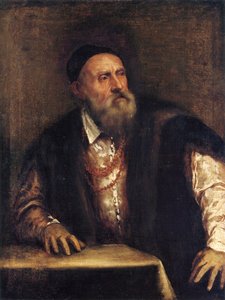
1490 - 1576 , Italia

Explore the enduring allure of oil on canvas. Discover how the mastery of impasto, light, and pigment defines fine art excellence, from Old Master reproductions to bespoke modern commissions designed for discerning collectors.


Hold deg oppdatert med de siste kunstnyhetene, eksklusive tilbud og dekorasjonsideer.
Fortell oss om prosjektet ditt, så vil våre kunsteksperter gi deg 3 personlige kunstforslag.
Vi velger ut 3 alternativer kun for deg – helt gratis!


 Forhåndsvisning
 Send
Send Del med andre
 Vis detaljer

 Last ned bildet
 Liknende objekter
 Røntgenundersøkelse
 Lysbildefremvisning
 Vis hele teksten







 Glassalternativet er kun tilgjengelig i størrelser under 110 cm