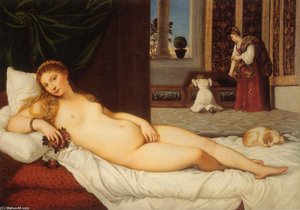
Giclée- eller lerretsprint av museumskvalitet med rask produksjon og fleksible valgmuligheter for etterbehandling. ( Kjøp håndlaget maleri Kjøp bilde)





























Velg mellom våre forhåndsdefinerte størrelser som bevarer kunstverkets opprinnelige proporsjoner.

Du kan oppgi egne mål for å tilpasse en spesifikk ramme eller et bestemt område. Dersom den valgte størrelsen ikke samsvarer med det originale bildets proporsjoner, vil vi enten beskjære kunstverket eller utvide bildet med en speilet eller ensfarget kant. En digital mockup vil bli sendt til din godkjenning før produksjonen starter.
Vennligst merk at forhåndsvisningen på skjermen ikke gjenspeiler den faktiske beskjæringen eller utvidelsen. Kun mockuppen vil vise den endelige komposisjonen nøyaktig.
Selv om tilpassede størrelser er tilgjengelige, anbefaler vi å velge et mål fra den forhåndsdefinerte listen for å bevare de originale proporsjonene.
Verdensomspennende levering () på 2 uker i stedet for standard 4/5 uker. (20 August)


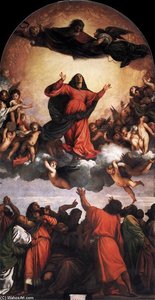
Profane Love (Vanity)
Størrelse på reproduksjon
Titian’s Sacred and Profane Love, painted in 1514 during the artist’s formative years, isn’t merely a portrait; it’s an invitation to a profound meditation on desire, mortality, and the very nature of love itself. Commissioned for the wedding celebration of Niccolò Aurelio, a secretary within Venice's powerful Council of Ten, the painting immediately captivated viewers with its arresting composition and enigmatic figures. Yet, beyond the initial visual impact lies a complex web of symbolism that has fueled centuries of debate among art historians – a testament to Titian’s genius and his willingness to challenge conventional representations.
The scene unfolds within a meticulously rendered Roman sarcophagus, transformed into an unexpected water trough. Two women, their identities deliberately obscured, occupy this liminal space, seemingly adrift between the earthly and the divine. One, draped in luxurious fabrics and adorned with jewels, embodies the sensual pleasures of worldly love – a vibrant celebration of beauty and indulgence. Her pose is relaxed, almost languid, suggesting an enjoyment of the present moment. The other woman, starkly nude and holding a torch, represents a more austere form of devotion, perhaps hinting at spiritual purity or even mourning. The contrast between these two figures immediately establishes a tension—a dialogue between earthly desires and higher aspirations.
Titian’s mastery of color is instantly apparent in Sacred and Profane Love. He employs a rich, velvety palette – deep reds, blues, and greens – that imbues the scene with an almost palpable sense of warmth and luxury. His brushwork is loose and expressive, characteristic of his mature style, yet remarkably controlled, particularly in the rendering of the fabrics and the subtle gradations of light and shadow. The use of *sfumato*, a technique perfected by Titian himself, creates a hazy, atmospheric effect that softens the edges of the figures and blurs the boundaries between reality and illusion.
Technically, the painting demonstrates a shift in Titian’s approach. While earlier works showcased his meticulous detail and precise rendering, here we see a move towards greater spontaneity and emotional intensity. The background landscape—a dramatic vista of mountains, shepherds, and a distant church—is painted with broad, confident strokes, creating a sense of depth and perspective that anchors the figures within their environment. The inclusion of classical motifs – the sarcophagus, the Roman ruins – further reinforces the painting’s connection to Renaissance ideals of beauty, harmony, and intellectual inquiry.
The symbolism embedded within Sacred and Profane Love is notoriously complex and open to interpretation. The sarcophagus itself—a symbol of death and transition—suggests a contemplation of mortality and the fleeting nature of earthly pleasures. The water flowing from the spout, nourishing a plant, could represent fertility, renewal, or even the cyclical nature of life and death. The cherubic figure swirling the water adds to this sense of mystery, hinting at divine intervention or perhaps simply the playful spirit of youth.
Interestingly, the painting’s title itself—*Sacred and Profane Love*—is debated. Some scholars believe it reflects the dual nature of love as both a divine gift and a source of earthly desire. Others argue that it simply represents two different types of love – one based on physical attraction and the other on spiritual connection. The painting’s enduring appeal lies in its refusal to offer easy answers, inviting viewers to engage in their own interpretations.
Sacred and Profane Love remains a profoundly moving work of art, captivating audiences with its beauty, mystery, and emotional depth. It’s more than just a portrait; it's a meditation on the complexities of human experience—a reminder that love takes many forms and that even in moments of pleasure, we are inevitably confronted with the shadow of mortality. Its enduring power lies not only in Titian’s technical brilliance but also in his ability to capture the essence of our deepest desires and anxieties.

1490 - 1576 , Italia

Oppdag National Gallery Londons 25 mest ikoniske kunstverk! Lær historien bak mesterverk fra Van Gogh, Monet & Rembrandt. Finn inspirasjon til interiøret og kjøp museumskvalitets reproduksjoner på BuyPopArt.com – din kilde for klassisk kunst.
Oppdag de 25 mest ikoniske kunstverkene på National Gallery of Art i Washington! Fra Cézanne til Picasso – utforsk historien, teknikken og skjønnheten bak hvert mesterverk. Finn inspirasjon til interiøret ditt og kjøp museumskvalitets reproduksjoner på BuyPopArt.com.

Explore the revolutionary techniques & enduring legacy of Titian, the master of Venetian Renaissance portraiture. Discover insights for collectors & appreciate his impact on art history.

Opplev de 10 mest romantiske kunstverkene gjennom tidene! Fra impresjonisme til renessanse – lær historien bak ikoniske malerier og finn inspirasjon til ditt hjem. Museumskvalitet reproduksjoner på BuyPopArt.com.

Explore the rich history of love in art! Discover iconic masterpieces, artistic techniques & cultural symbolism from antiquity to modern times. Expert analysis for collectors.


Hold deg oppdatert med de siste kunstnyhetene, eksklusive tilbud og dekorasjonsideer.
Fortell oss om prosjektet ditt, så vil våre kunsteksperter gi deg 3 personlige kunstforslag.
Vi velger ut 3 alternativer kun for deg – helt gratis!


 Forhåndsvisning
 Send
Send Del med andre
 Vis detaljer

 Last ned bildet
 Liknende objekter
 Røntgenundersøkelse
 Lysbildefremvisning


 Vis hele teksten







 Glassalternativet er kun tilgjengelig i størrelser under 110 cm