

 Oil On CanvasWallArtHigh Renaissance
 1519
1519 179.0 x 207.0 cm
Kjøp et høyoppløselig, forbedret digitalt bilde som er langt bedre enn forhåndsvisningen på nettet.
Hver fil er omhyggelig klargjort av våre egne spesialister ved hjelp av avanserte verktøy og profesjonell manuell retusjering. Vi sørger for at hvert bilde har eksepsjonell klarhet, presis fargegjengivelse og fine detaljer.
Den endelige filen leveres via e-post innen 72 timer, optimalisert for umiddelbar bruk i profesjonelle, redaksjonelle og trykte miljøer. Dette er den samme kvaliteten som benyttes av ledende designstudioer, utgivere og gallerier.
Last ned en høyoppløselig fil for personlig bruk, utskrift og kreative prosjekter. ( Bytt til trykk Bytt til håndmalt maleri)
Når du velger BuyPopArt.com, får du ikke bare et bilde – du mottar et profesjonelt forbedret digitalt kunstverk, skapt med presisjon og med en garantert tilfredshetsgaranti. Her er alt som automatisk følger med din bestilling:

Din høyoppløselige digitale bildefil sendes til din e-post innen 72 timer etter bestilling – klar til umiddelbar bruk.

Ditt kunstverk blir profesjonelt optimalisert ved hjelp av avanserte AI-verktøy og manuell redigering, noe som sikrer maksimal detaljrikdom, klarhet og fargegjengivelse.

Har du ved et uhell slettet eller mistet filen din? Ingen bekymring – vi sender den på nytt når som helst, helt gratis.

Nyt ditt kunstverk umiddelbart uten toll, avgifter eller leveringskostnader – digitale nedlastinger er alltid avgiftsfrie.

Vi sikrer at ditt digitale bilde gjenspeiler de originale fargene så nøyaktig som mulig ved hjelp av profesjonelle verktøy og fargehåndtering.

Hvis du ikke er fornøyd med ditt digitale bilde, vil vi revidere det eller refundere 100% innen 60 dager – uten spørsmål.

Ikke fornøyd? Få full refusjon innen 60 dager etter at du har mottatt din digitale fil – uten spørsmål.

Kjøp 3 bilder, spar 10% - Kjøp 5, spar 15% - Kjøp 10+, spar 20%. Ideelt for kreative prosjekter, gallerier og byråer.
Titian’s “The Annunciation,” painted in 1519, presents a captivating and profoundly enigmatic scene that transcends the conventional religious iconography of its time. Measuring an impressive 179 x 207 cm, this work is not merely a depiction of Mary's acceptance of the divine message; it’s a complex meditation on human experience, rendered with Titian’s signature mastery of color and form. The painting depicts Mary kneeling in prayer, attended by an angel – yet, the scene is subtly unsettling, dominated by the presence of Philip II, the young heir to the Venetian throne, playing the organ. This unexpected inclusion immediately elevates the work beyond a straightforward biblical narrative.
Art historians have long debated the meaning behind this unusual composition, with many suggesting an allegorical interpretation. The prevailing theory posits that Titian employed the scene to represent the four senses – touch, sight, and hearing – through a carefully orchestrated interplay of elements. Mary’s kneeling posture and the angel's comforting presence evoke the sense of touch, while the vibrant colors and the musical performance stimulate the eye and ear respectively. The nakedness of Philip II, a bold artistic choice for the period, further reinforces this sensual reading, representing the raw, unfiltered experience of sensation.
It’s crucial to note that Titian was not adhering to any established mythological themes; instead, he seems to have deliberately subverted traditional religious conventions to explore fundamental aspects of human perception. This innovative approach aligns with the broader intellectual currents of the Renaissance, which emphasized observation and experience as pathways to knowledge.
Executed in oil on wood panel, “The Annunciation” exemplifies Titian's unparalleled skill in manipulating color. His use of rich, saturated hues – deep reds, blues, and golds – creates a luminous effect that seems to emanate from within the canvas. The artist’s brushwork is loose and expressive, contributing to the painting’s sense of movement and vitality. Notice particularly the rendering of Mary's drapery, which flows with an almost ethereal quality, achieved through subtle gradations of color and light.
Created in 1519, “The Annunciation” reflects the artistic and intellectual climate of Venice during the High Renaissance. Titian was a leading figure in the Venetian School, which prioritized color and sensual experience over the more austere ideals of Florentine art. This painting demonstrates his willingness to challenge conventions and explore new avenues for artistic expression. Its unusual subject matter and innovative composition have ensured its place as one of Titian’s most intriguing and debated works, offering a profound insight into the artist's genius and the complexities of Renaissance thought.
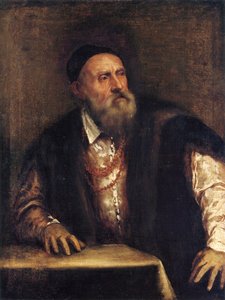
1490 - 1576 , Italia


Hold deg oppdatert med de siste kunstnyhetene, eksklusive tilbud og dekorasjonsideer.
Fortell oss om prosjektet ditt, så vil våre kunsteksperter gi deg 3 personlige kunstforslag.
Vi velger ut 3 alternativer kun for deg – helt gratis!


 Forhåndsvisning
 Send
Send Del med andre
 Vis detaljer

 Last ned bildet
 Liknende objekter
 Røntgenundersøkelse
 Lysbildefremvisning
 Vis hele teksten