


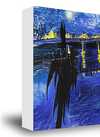
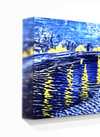
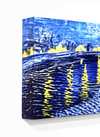
Giclée- eller lerretsprint av museumskvalitet med rask produksjon og fleksible valgmuligheter for etterbehandling. ( Switch to hand made Painting Switch to Image)
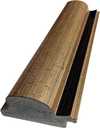
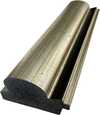
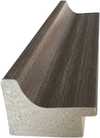
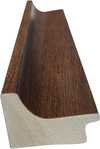
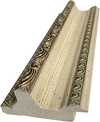
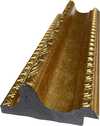
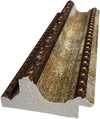
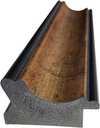
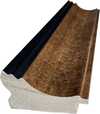
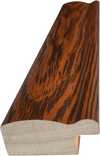
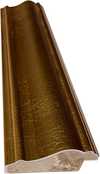
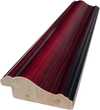

Velg mellom våre forhåndsdefinerte størrelser som bevarer kunstverkets opprinnelige proporsjoner.

Du kan oppgi egne mål for å tilpasse en spesifikk ramme eller et bestemt område. Dersom den valgte størrelsen ikke samsvarer med det originale bildets proporsjoner, vil vi enten beskjære kunstverket eller utvide bildet med en speilet eller ensfarget kant. En digital mockup vil bli sendt til din godkjenning før produksjonen starter.
Vennligst merk at forhåndsvisningen på skjermen ikke gjenspeiler den faktiske beskjæringen eller utvidelsen. Kun mockuppen vil vise den endelige komposisjonen nøyaktig.
Selv om tilpassede størrelser er tilgjengelige, anbefaler vi å velge et mål fra den forhåndsdefinerte listen for å bevare de originale proporsjonene.
Verdensomspennende levering () på 2 uker i stedet for standard 4/5 uker. (29 July)


Interiør
Størrelse på reproduksjon
Before Rembrandt, before Rubens, there existed a woman who quietly yet powerfully shaped the artistic landscape of 16th-century Flanders – Catharina van Hemessen. Often overshadowed by her male contemporaries, she stands as a remarkable testament to female creativity and skill during a period when societal constraints severely limited women’s access to formal artistic training and recognition. Her legacy isn't one of grand, monumental works, but rather in the intimate portraits and devotional paintings that reveal a keen eye for detail, a subtle understanding of human emotion, and an early embrace of Renaissance ideals.
Born around 1528 in Antwerp – a vibrant hub of artistic activity during this era – Catharina’s life was inextricably linked to her father, Jan Sanders van Hemessen, a respected Mannerist painter. He served as her initial mentor, nurturing her nascent talent and providing her with the foundational skills necessary for her future endeavors. While details about her early childhood remain scarce, it's believed she received an education that extended beyond the typical domestic sphere for women of the time, likely involving exposure to artistic techniques through her father’s workshop. This privileged access was a rarity, as formal art training was almost exclusively reserved for men.
The prevailing attitudes towards female artists during this period were deeply restrictive. Artistic guilds, which controlled much of the professional landscape, largely excluded women. Furthermore, the accepted methods of artistic instruction – including dissection and study of the nude male form – presented significant obstacles to a woman’s pursuit of painting. Despite these challenges, Catharina persevered, demonstrating an exceptional aptitude for her craft. She skillfully navigated the social barriers, becoming one of the first documented female artists in Flanders to achieve professional recognition.
Catharina's artistic output is characterized by a remarkable versatility, encompassing both portraiture and religious scenes. Her small-scale portraits, often depicting women from wealthy merchant families, are particularly noteworthy for their elegance and psychological depth. These weren’t simply likenesses; she captured the personalities of her subjects with subtle gestures, expressions, and carefully rendered clothing details. The 1548 self-portrait, now housed in the Kunstmuseum Basel, is a pivotal work in understanding her artistic development. It depicts her seated at an easel, engaged in the act of painting – a bold statement for its time and a testament to her confidence as an artist.
Beyond portraiture, Catharina produced a series of devotional paintings, often featuring Mary Magdalene or other female saints. These works demonstrate her ability to translate religious iconography into emotionally resonant images. Her use of color is restrained yet effective, creating a sense of serenity and contemplation. Notable examples can be found in the Rijksmuseum in Amsterdam and the National Gallery in London, showcasing her consistent quality across different commissions.
Catharina’s artistic style reflects a synthesis of influences – primarily Mannerism, which was prevalent in Flanders at the time, and elements of early Renaissance humanism. She skillfully employed techniques learned from her father, incorporating his characteristic use of rich colors, dynamic compositions, and attention to detail. However, she also developed a distinct personal voice, evident in her nuanced portrayal of female subjects and her subtle integration of classical motifs.
The work of Jan Sanders van Hemessen undoubtedly shaped Catharina’s early development. She frequently collaborated with him on various projects, absorbing his techniques and artistic sensibilities. However, she quickly surpassed her father's style, demonstrating a greater independence and originality in her own paintings. The influence of Italian Renaissance artists, particularly those working in Florence, is also discernible in her compositions and use of perspective.
Catharina van Hemessen’s impact on the art world may not be immediately apparent, but she played a crucial role in challenging conventional notions about women's roles as artists. As one of the earliest documented female Flemish painters, her existence alone defied societal expectations and paved the way for future generations of women to pursue careers in the arts. Her self-portrait stands as a powerful symbol of artistic ambition and self-expression – a testament to her courage and determination.
Despite the relative obscurity that has surrounded her life and work, Catharina van Hemessen’s legacy endures. Her paintings offer a valuable glimpse into the artistic practices of 16th-century Flanders and serve as a reminder of the often-overlooked contributions of women to the history of art. Further research continues to shed light on this fascinating artist, solidifying her place as a pioneering figure in the Northern Renaissance.

1548 - 1616 , Italy

Opplev barokkens prakt! Utforsk 10 ikoniske malerier av Karavaggio, Rembrandt og Vermeer. Lær om kunsthistorien bak mesterverkene og finn inspirasjon til interiøret ditt. Museumskvalitet reproduksjoner på BuyPopArt.com

Utforsk hvordan skreddersydd kunst kan transformere arkitektur og interiørdesign. Ekspertveiledning for farge, størrelse og materialvalg. Skap harmoniske rom med unike malerier – perfekt tilpasset din visjon.

Utforsk de 10 mest ikoniske mesterverkene fra tidlig renessanse! Oppdag Leonardo da Vinci, Michelangelo og Botticelli. Lær om kunsthistorie, teknikker & farger. Finn museumskvalitets reproduksjoner på BuyPopArt.com.

Elevate hotel interiors with fine art reproductions that resonate architecturally. Discover how custom artwork & expert curation create unforgettable guest experiences. Explore Renaissance-inspired design solutions.

Oppdag barokkens praktfulle drama! Lær om stilens historie, kjennetegn og hvordan du kan integrere den i ditt hjem med s eksklusive kunstutvalg.


Hold deg oppdatert med de siste kunstnyhetene, eksklusive tilbud og dekorasjonsideer.
Fortell oss om prosjektet ditt, så vil våre kunsteksperter gi deg 3 personlige kunstforslag.
Vi velger ut 3 alternativer kun for deg – helt gratis!


 Preview
 Send
Send Del med andre
 Vis detaljer

 Last ned bildet
 Liknende objekter
 Røntgenundersøkelse
 Lysbildefremvisning


 Vis hele teksten
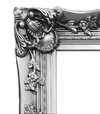
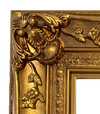
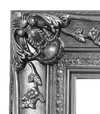
 Glassalternativet er kun tilgjengelig i størrelser under 110 cm


