Zamów wydruk Zamów wydrukKup cyfrowy obraz Kup cyfrowy obraz UdostępnijUdostępnij
Szczegóły dziełaSzczegóły dzieła Dodaj do ulubionych Dodaj do ulubionych PobierzPobierz Podobne obiektyPodobne obiekty RTGRTG Pokaz slajdówPokaz slajdów

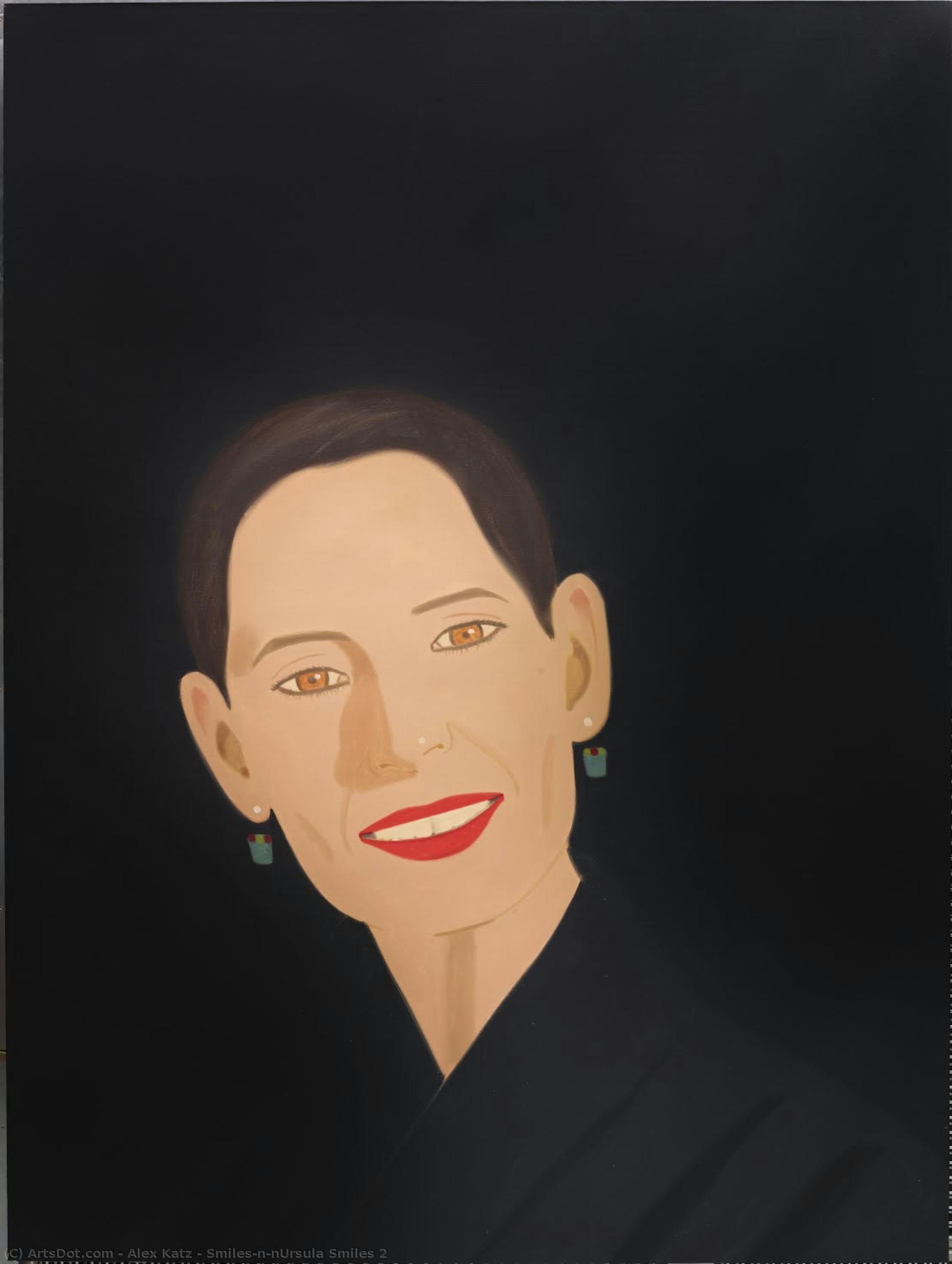
Smiles\n\nUrsula Smiles 2

Alex Katz's 'Smiles' captures captivating women with serene expressions against stark backgrounds. Explore the artist’s minimalist style and iconic portraiture, reflecting themes of representation and perception.

Alex Katz (ur. 1927) – pionier sztuki popowej, znany z prostoty i jaskrawych barw w portretach i krajobrazach. Jego innowacyjne techniki, takie jak 'cutout', wpłynęły na współczesną sztukę. Odkryj jego unikalny styl!

Ręcznie malowana reprodukcja olejowa

Ręcznie malowany olej na płótnie w Twoim wymiarze i ramie, tworzony na zamówienie przez naszych artystów.


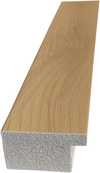
P118B $10
P118H $10
P118W $10
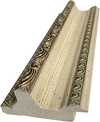
P438Z $10
P508JH $12
P508YH $12
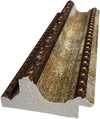
P805H $10
P805Z $10
P919BZ $10
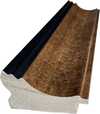
P919G $10
P919XJ $10
P959ZH $10
P968JZ $12
W106C $8
W218G $10
W218JH $8
W218Y $10
W307PJ $10
W316G $10
W316PJ $8
W316Y $10
W398PJ $8
W4111J $10
W500HY $15
W500JH $15
W692G $12
W849H $8
W940BG $15
W953PJ $8

Standard
custom
CM
INCH

Wybierz spośród naszych predefiniowanych rozmiarów, które zachowują oryginalne proporcje dzieła sztuki.

szerokość
wysokość

Możesz wprowadzić własne wymiary, aby dopasować obraz do konkretnej ramy lub przestrzeni. Jeśli wybrany rozmiar nie będzie odpowiadał proporcjom oryginału, przytniecie dzieło sztuki lub rozszerzymy je o dodatkowe elementy, ręcznie domalowane przez artystę. Przed rozpoczęciem produkcji wyślemy projekt cyfrowy do Twojej akceptacji.
Należy pamiętać, że podgląd na ekranie nie odzwierciedla rzeczywistego przycinania ani rozszerzania obrazu. Tylko projekt dokładnie pokaże ostateczną kompozycję.
Choć oferujemy możliwość zamówienia niestandardowych rozmiarów, zalecamy wybór wymiaru z gotowej listy, aby zachować oryginalne proporcje dzieła.

Przykłady możliwych zmian: Zamień twarz na zdjęcie klienta; Dodaj zwierzę domowe (np. zamień kota na psa); Ukryj wiadomość w tle; Zmień krajobraz lub elementy tła.
Po złożeniu zamówienia zespół BuyPopArt.com skontaktuje się z klientem drogą mailową w celu uzyskania instrukcji i prześle wizualizację projektu

Dostawa na całym świecie () w ciągu 3/4 tygodni zamiast standardowych 5 tygodni. (16 Lipiec). Bez kompromisów w kwestii jakości.

why_choose_icon
Bezpłatna ekspresowa wysyłka na cały świat
why_choose_icon
Wysokiej jakości płótno lniane
why_choose_icon
Pełne ubezpieczenie przesyłki
why_choose_icon
Gwarancja zwrotu należności celnych
why_choose_icon
Gwarancja pełnego zgodności kolorystycznej
why_choose_icon
Polityka 60-dniowego zwrotu (tylko w przypadku wad)
why_choose_icon
Gwarancja 100% zwrotu pieniędzy
why_choose_icon
Zniżka przy większych zamówieniach

Suma całkowita

-

reproduction

Smiles\n\nUrsula Smiles 2

Technika reprodukcji

Wymiary reprodukcji

-

Cena całkowita

-

Szybkie fakty

  • Influences: Kitagawa Utamaro
  • Notable elements: Flat style, bold colors
  • Artistic style: Figurative, minimalist
  • Dimensions: 243.8 x 182.9 cm
  • Subject or theme: Portraits, smiles
  • Artist: Alex Katz
  • Year: 1994

Quiz o sztuce

Na każde pytanie istnieje tylko jedna poprawna odpowiedź.

Pytanie 1:
What is the primary subject depicted in Alex Katz’s ‘Smiles’?
Pytanie 2:
According to the description, what is Alex Katz’s stated difference between Pop Art and his own work?
Pytanie 3:
The description mentions that Katz often draws on his closest circle as subjects for his portraits. Who typically comprises this ‘closest circle’?
Pytanie 4:
What is a defining characteristic of Alex Katz’s paintings as described in the text?
Pytanie 5:
The description suggests that Katz’s series ‘Smiles’ is intended to explore what aspect of representation?

Opis dzieła

The Enigmatic Beauty of "Smiles"

Alex Katz's 1994 painting, “Smiles,” isn’t a celebration of overt joy; it’s an invitation to contemplate the subtle complexities of human connection. Within its deceptively simple composition – a woman bathed in a stark, neutral background – lies a profound exploration of representation and perception. Katz, known for his deliberate detachment and minimalist approach, eschews narrative or emotional excess, instead focusing on the fundamental act of looking and being seen. The painting’s power resides not in dramatic gesture but in the quiet intensity of the subject's gaze, an invitation to engage with a moment suspended in time.

The work emerged during a period when Katz was actively challenging conventional notions of portraiture. He deliberately distanced himself from the traditional role of capturing a sitter’s personality, opting instead to dissect and reconstruct the image itself. This shift reflects a broader artistic trend – a move away from subjective representation towards a more conceptual engagement with the very act of painting. The stark background serves not as mere backdrop but as an active participant in the composition, amplifying the figure's presence and forcing the viewer to confront her directly.

A Masterclass in Flatness and Form

Katz’s technique is characterized by a remarkable economy of line and color. He employs a distinctive style that prioritizes flatness – a deliberate rejection of illusionistic depth. The canvas itself becomes the primary subject, its surface treated as a carefully constructed plane. This approach, reminiscent of early modernist painters like Giorgio Morandi, creates an immediate sense of immediacy and intimacy. The colors are muted yet vibrant, carefully calibrated to create a harmonious balance within the composition. Katz’s use of oil paint is precise and controlled, resulting in a smooth, almost photographic quality.

  • Cutout Technique: Katz frequently utilized cut panels of wood or aluminum, creating works that resembled sculptures while retaining the characteristics of paintings.
  • Monochrome Backgrounds: The consistent use of neutral backgrounds emphasizes the figure and contributes to the painting’s overall sense of stillness.
  • Precise Lines: Katz's meticulous attention to detail is evident in the sharp, clean lines that define the woman's features and the surrounding space.

Symbolism and the Portrait as a Study

The repeated motif of the smile itself holds significant weight within the series. It’s not a boisterous or exuberant expression but rather a subtle, almost melancholic curve of the lips – a suggestion of contentment tempered by an underlying sense of introspection. Katz has described his subjects as “research tools,” using them to explore the fundamental relationship between figure and ground. The women in "Smiles" aren’t simply portraits; they are embodiments of a visual experiment, prompting us to consider how we perceive images and how those perceptions shape our understanding of human experience.

Furthermore, Katz's choice of subjects – often close friends and family members – adds another layer of complexity. These figures represent not just individual identities but also the artist’s own personal relationships and memories. The repetition of this motif across multiple canvases suggests a meditation on time, memory, and the enduring power of human connection.

A Timeless Reflection

“Smiles” is more than just a portrait; it's a carefully constructed visual puzzle that invites repeated viewing and contemplation. Its quiet intensity, combined with Katz’s masterful technique, creates an artwork that resonates deeply with the viewer long after the initial encounter. It stands as a testament to the artist’s ability to distill complex emotions into their most essential form – a subtle smile, a neutral background, and a profound exploration of representation itself. Reproductions capture much of this essence, offering a window into Katz's unique vision for those seeking to bring a touch of contemplative beauty into their own spaces.


Biografia artysty

Alex Katz

Born July 24, 1927, Sheepshead Bay, Brooklyn, New York, USA Early Life and Education Alex Katz’s artistic journey began in a modest Brooklyn upbringing where his family relocated shortly after he was born. From an early age, he demonstrated a fervent passion for art—a fascination that would shape the trajectory of his entire career. He pursued formal training at the Cooper Union (1946-1949), immersing himself in Modern art theories and techniques under the guidance of Morris Kantor. This foundational knowledge proved invaluable as he honed his skills further at the Skowhegan School of Painting and Sculpture in Maine, prioritizing painting directly from life—a practice that instilled a profound appreciation for observation and capturing fleeting moments. Artistic Style and Influences Katz’s distinctive artistic style is instantly recognizable: characterized by remarkable simplicity, bold color palettes, and an understated emotional detachment. His oeuvre spans portraiture and landscape genres, often presented with meticulous precision and striking visual impact. He cites Kitagawa Utamaro—a Japanese woodblock printmaker renowned for his serene depictions of human figures—as a significant influence, mirroring stylistic similarities with Andy Warhol and Keith Haring. Katz’s innovative approach extended beyond mere representation; he experimented extensively with “cutouts”—painting on panels of wood or aluminum—creating layered compositions that challenged conventional artistic conventions. Furthermore, he embraced the technique of applying paint directly onto shaped aluminum sheets, establishing a signature visual element that cemented his place within the Pop Art movement. Perhaps most notably, Katz consistently employed monochrome backgrounds—a deliberate departure from gestural figure painters—anticipating and embodying the aesthetic principles of Pop Art while simultaneously elevating the importance of color as a compositional tool. His artistic vision was further enriched by incorporating photographic and cinematic strategies: cropping images strategically, utilizing decoupage techniques, and replicating visual motifs to generate rhythmic patterns within his paintings. Notable Works and Development Katz’s early explorations centered around small collages featuring figures nestled amidst landscapes—a stylistic hallmark that foreshadowed his later preoccupation with portraying human subjects against tranquil natural settings. Portraiture became a central focus of his artistic endeavors, capturing the essence of individuals—particularly his wife, Ada—with remarkable sensitivity and nuance. Iconic paintings such as “Alex Katz: Thursday Night” and “Alex Katz: Ada in Black Sweater” exemplify this commitment to conveying emotion through carefully considered visual elements. During the 1960s, Katz pushed boundaries with large-scale canvases featuring dramatic cropping of faces—a technique inspired by film aesthetics and advertising—demonstrating his ability to distill complex narratives into impactful images. His landscape series from the late 1980s and 1990s showcased a shift towards painterly brushstrokes and looser edges, reflecting an evolving engagement with Impressionistic influences. He ventured into uncharted territory with “Night Pictures,” exploring new light sources and rejecting traditional sunlit landscapes—a bold stylistic decision that underscored his willingness to challenge artistic conventions. Finally, Katz’s fascination with floral imagery culminated in prolific canvases adorned with blossoms—a visual celebration of beauty and organic form that solidified his reputation as a master of botanical representation. Recent works continue to explore the power of visual simplification, utilizing iPhone photography as a springboard for compositional explorations and emphasizing precise cropping techniques—a testament to Katz's enduring commitment to artistic innovation. Achievements and Historical Significance Alex Katz’s contribution to contemporary art extends beyond stylistic experimentation; he achieved considerable acclaim throughout his prolific career. He collaborated with choreographer Paul Taylor, designing sets and costumes that complemented the dancer’s performances. His work has been recognized by numerous awards and accolades—a testament to his artistic merit and enduring influence. Katz's paintings reside in prominent collections worldwide, including the Centre Georges Pompidou, Tate Gallery, and Guggenheim Museum Bilbao—affirming his status as a pivotal figure within the global art landscape. More than just an artist, Katz embodies a philosophy of understated elegance and profound observation—a legacy that continues to inspire artists today. His unwavering dedication to capturing beauty in simplicity has cemented his place as one of the most influential painters of the 20th century.
Alex Katz

Alex Katz

1927 - , Stany Zjednoczone

Kluczowe informacje

  • Artistic Movement Or Style: Pop Art, Figurat.
  • Artists Or Movements Influenced By This Artist:
    • Andy Warhol
    • Keith Haring
  • Artists Who Influenced This Artist: ['Kitagawa Utamaro']
  • Date Of Birth: 24 lipca 1927
  • Full Name: Alex Katz
  • Nationality: Amerykański
  • Notable Artworks:
    • Alex: Czwartek
    • Ada w cz.
    • Penobscot
  • Place Of Birth (City And Country): Brooklyn, USA