x

 Zamów wydruk Kup cyfrowy obraz
 Udostępnij
 Szczegóły dzieła
 Dodaj do ulubionych
 Pobierz
 Podobne obiekty
 RTG
RTG
 Pokaz slajdów
Ręcznie malowany olej na płótnie w Twoim wymiarze i ramie, tworzony na zamówienie przez naszych artystów.





























Wybierz spośród naszych predefiniowanych rozmiarów, które zachowują oryginalne proporcje dzieła sztuki.

Możesz wprowadzić własne wymiary, aby dopasować obraz do konkretnej ramy lub przestrzeni. Jeśli wybrany rozmiar nie będzie odpowiadał proporcjom oryginału, przytniecie dzieło sztuki lub rozszerzymy je o dodatkowe elementy, ręcznie domalowane przez artystę. Przed rozpoczęciem produkcji wyślemy projekt cyfrowy do Twojej akceptacji.
Należy pamiętać, że podgląd na ekranie nie odzwierciedla rzeczywistego przycinania ani rozszerzania obrazu. Tylko projekt dokładnie pokaże ostateczną kompozycję.
Choć oferujemy możliwość zamówienia niestandardowych rozmiarów, zalecamy wybór wymiaru z gotowej listy, aby zachować oryginalne proporcje dzieła.
Dostawa na całym świecie () w ciągu 3/4 tygodni zamiast standardowych 5 tygodni. (16 Lipiec). Bez kompromisów w kwestii jakości.


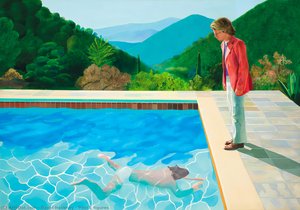
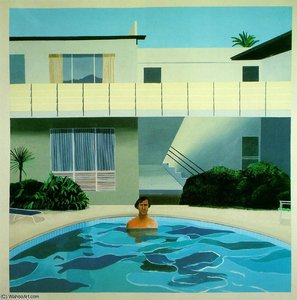
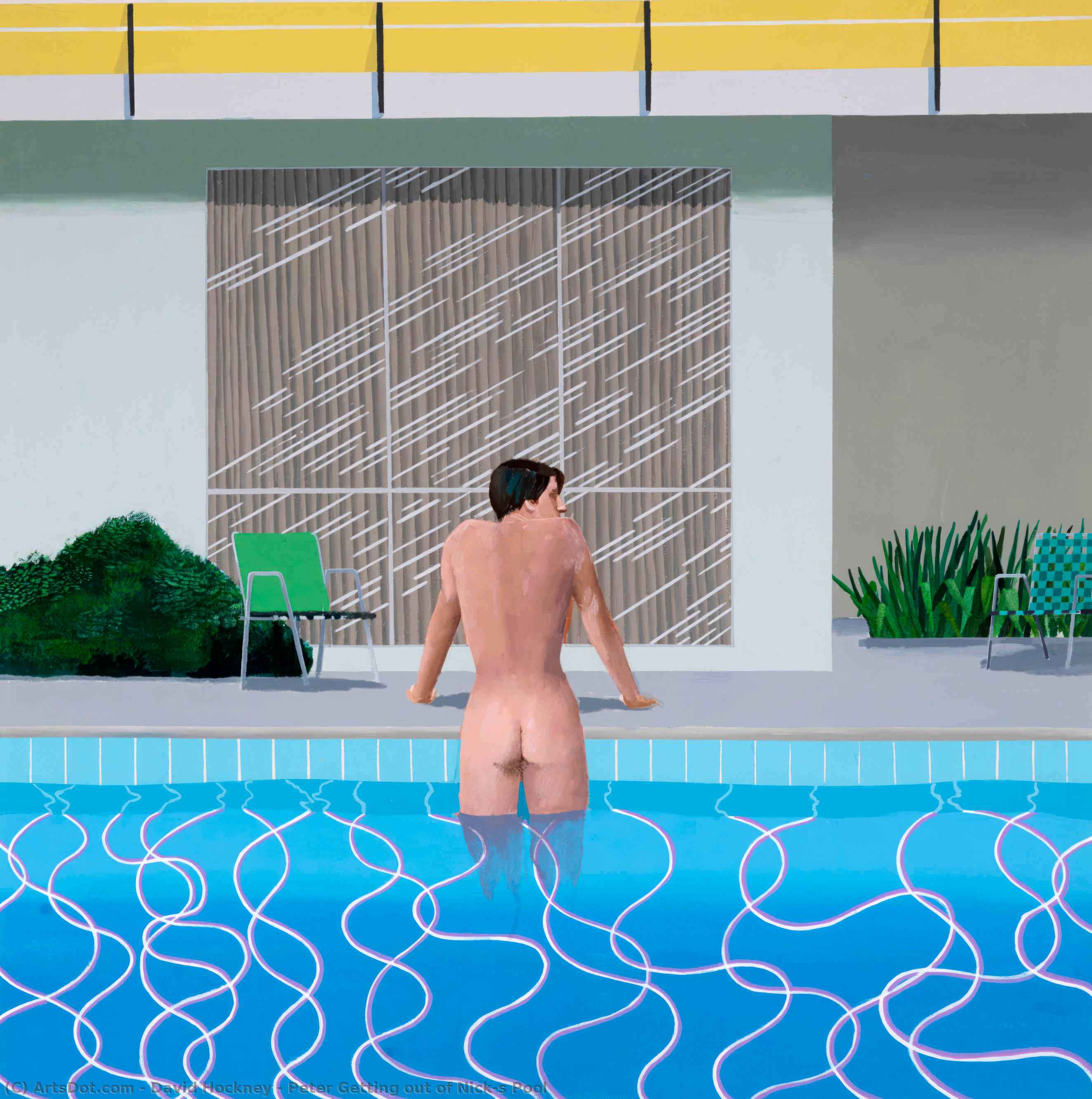
Peter Getting out of Nick's Pool
Wymiary reprodukcji
David Hockney’s *Peter Getting out of Nick’s Pool* isn’t merely a depiction of a summer afternoon; it’s an invitation. An invitation to pause, to observe, and perhaps even to contemplate the subtle complexities of human interaction. Painted in 1969, this iconic work exemplifies Hockney's mastery of pop art – his ability to elevate the commonplace into something profoundly beautiful and thought-provoking. The scene unfolds with a deceptively simple elegance: Peter Joe Talbot, a close friend of Hockney’s, stands poised at the edge of a swimming pool, his back turned towards the viewer, creating an immediate sense of mystery and vulnerability. Two chairs flank him, suggesting a moment of respite, while a vibrant potted plant adds a touch of unexpected color to the otherwise cool palette.
*Peter Getting out of Nick’s Pool* emerged from the burgeoning pop art movement of the mid-1960s, a reaction against the perceived elitism and abstraction of traditional fine art. Artists like Hockney sought to engage with the visual culture of their time – advertising, comic books, and popular music – reflecting the changing social landscape of Britain. This painting perfectly embodies this ethos; it’s not about grand narratives or historical themes, but rather a snapshot of ordinary life, rendered with remarkable clarity and precision. The bold colors, characteristic of Hockney's style, are applied with clean, confident lines, creating an image that feels both immediate and timeless.
Hockney’s technique is instantly recognizable – a masterful blend of observation and artistic license. He employs a slightly flattened perspective, typical of pop art, to emphasize the two-dimensionality of the scene. The composition is remarkably balanced, with Peter positioned centrally, drawing the viewer's eye while the surrounding elements – the chairs, the plant, and the pool itself – contribute to a sense of depth and spatial awareness. Note the careful consideration given to light; it pools around Peter, highlighting his form and adding to the painting’s luminous quality. The use of acrylic paint allowed for rapid execution and vibrant color mixing, crucial to Hockney's style.
The most compelling aspect of *Peter Getting out of Nick’s Pool* is its ambiguity. Peter’s back turned invites speculation – what is he thinking? What is he about to do? This deliberate lack of narrative engagement forces the viewer to actively participate in the scene, projecting their own emotions and interpretations onto the image. The painting speaks to themes of isolation, contemplation, and perhaps even a touch of melancholy. It's a quiet moment captured in time, imbued with a profound sense of human vulnerability.
David Hockney’s *Peter Getting out of Nick’s Pool* stands as a testament to his enduring influence on the art world. Its impact extends beyond its aesthetic qualities, offering a valuable insight into the cultural and artistic currents of the 1960s. A meticulously crafted hand-painted reproduction offers an unparalleled opportunity to experience this iconic work firsthand, bringing Hockney’s vision into your home or office. BuyPopArt provides exceptional quality reproductions that capture the essence of this masterpiece.

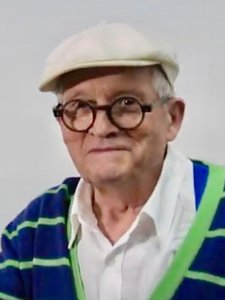
1937 - , Anglia

Stwórz unikalny obraz w stylu pop art z BuyPopArt! Ręcznie malowane reprodukcje, wydruki na zamówienie i personalizacja zdjęć. Wysoka jakość, gwarancja satysfakcji i inspiracje od ekspertów.

Elevate your luxury villa with vibrant Pop Art! Discover expert curation tips, museum-quality reproductions & bespoke commissions at BuyPopArt. Transform your space today.
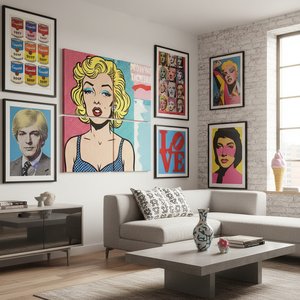
Odkryj 10 arcydzieł Pop Artu, które zrewolucjonizowały świat sztuki! Poznaj historię Andy Warhola, Roya Lichtensteina i innych ikon. Reprodukcje obrazów najwyższej jakości na BuyPopArt.com – inspiracje do wnętrz i kolekcjonowania.
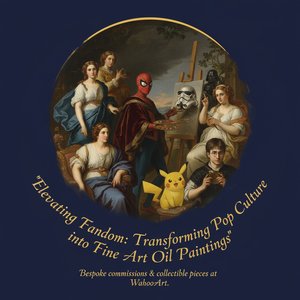
Odkryj fascynujący świat ręcznie malowanych reprodukcji i unikalnego fan artu! Ekspercka analiza rynku, gwarancja jakości i możliwość zamówienia obrazu na wymiar. Znajdź idealne dzieło sztuki dla Twojego wnętrza.
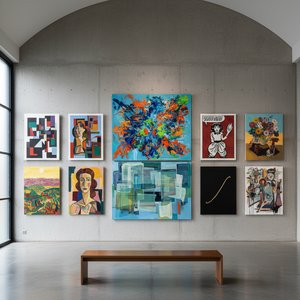
Poznaj 10 arcydzieł akrylu na płótnie, które zrewolucjonizowały sztukę! Odkryj historie Pollocka, Rothko i Kleina. Inspiracje wnętrzarskie & reprodukcje obrazów najwyższej jakości na BuyPopArt.com.


Bądź na bieżąco z najnowszymi wiadomościami ze świata sztuki, ekskluzywnymi ofertami i inspiracjami dekoratorskimi.
Opowiedz nam o swoim projekcie, a nasi eksperci od sztuki przygotują dla Ciebie 3 spersonalizowane propozycje dzieł sztuki.
Pozwól nam przygotować 3 propozycje specjalnie dla Ciebie – za darmo!


 Udostępnij


 Rozwiń treść







 Opcja szkła jest dostępna wyłącznie w rozmiarach poniżej 110 cm