Akryl na płótnieSztuka ściennaImpressionistic Light
 1867
1867 73.0 x 91.0 cm
 Metropolitan Museum of Art
Druk giclée lub płótno o jakości muzealnej, szybka realizacja i szeroki wybór opcji wykończenia. ( Zamów ręcznie malowaną reprodukcję Kup obraz wysokiej rozdzielczości)





























Wybierz spośród naszych standardowych rozmiarów, które zachowują oryginalne proporcje dzieła sztuki.

Możesz wprowadzić własne wymiary, aby dopasować dzieło do konkretnej ramy lub przestrzeni. Jeśli wybrany rozmiar nie będzie odpowiadał proporcjom oryginalnego obrazu, przytniecie dzieło lub rozszerzymy obraz za pomocą odbicia lustrzanego lub jednolitego wypełnienia krawędzi. Przed rozpoczęciem produkcji prześlemy cyfrową wizualizację do Twojej akceptacji.
Prosimy pamiętać, że podgląd na ekranie nie odzwierciedla faktycznego przycinania ani rozszerzania. Tylko wizualizacja dokładnie pokaże końcową kompozycję.
Mimo dostępności niestandardowych rozmiarów, zalecamy wybór wymiaru z listy zdefiniowanej, aby zachować oryginalne proporcje.
Dostawa na cały świat () w ciągu 2 tygodni zamiast standardowych 4/5 tygodni. (15 Sierpień)


Pogrzeb
Wymiary reprodukcji
Édouard Manet’s “The Funeral,” completed in 1867, isn't merely a depiction of a somber occasion—the funeral of writer Charles Baudelaire—but rather a daring exploration of space, light, and the very essence of modern Parisian life. This painting stands as a pivotal work, marking a decisive shift away from the rigid conventions of academic art and firmly establishing Manet’s place as one of the pioneers of Impressionism. It's a scene imbued with a palpable sense of melancholy, yet simultaneously captures the vibrant energy and bustling atmosphere of 19th-century Mouffetard Street.
The painting immediately draws the eye to the hearse, prominently positioned at the center of the composition, its diagonal thrust guiding our gaze across the canvas. However, Manet deliberately chooses to minimize the presence of the mourners themselves – they are largely absent from the scene. This strategic omission is a key element of the work’s power; it forces us to focus on the *absence* of individuals, highlighting instead the emotional weight of the event and the fleeting nature of human connection. The figures surrounding the hearse are not idealized representations of grief, but rather ordinary Parisians, caught in the midst of daily life, adding a layer of realism and immediacy to the scene.
Unlike the meticulous detail favored by Realist painters like Gustave Courbet, Manet employs loose brushstrokes and a muted palette – predominantly browns, grays, and blues – characteristic of the burgeoning Impressionist movement. He abandons traditional *chiaroscuro*—the dramatic interplay of light and shadow—opting instead for diffused illumination that softens the contours of buildings and figures alike. This technique isn’t about precise topographical accuracy; it's about capturing the atmosphere of a stormy September afternoon, imbuing the scene with a sense of immediacy and transient beauty. The hazy quality of the light contributes significantly to the painting’s overall mood, evoking both sadness and a certain acceptance of life’s inevitable transitions.
Beyond its immediate subject matter, “The Funeral” is rich with symbolic references that elevate it beyond a simple depiction of a funeral procession. The elevated cityscape—featuring recognizable landmarks such as Notre Dame Cathedral, the Panthéon, and the Observatoire de Paris—represents intellectual and spiritual grandeur, juxtaposed against the earthly reality of grief. Manet’s deliberate decision to bring the domes of the Observatoire and Notre Dame closer together is particularly striking. This compositional choice subtly elevates the visual importance of faith and contemplation, suggesting a yearning for transcendence amidst sorrow. The inclusion of these architectural elements speaks to the enduring spirit of Paris and its connection to history and culture.
“The Funeral” is not a celebration of death, but rather an exploration of human experience – the transient nature of life, the weight of memory, and the quiet dignity of everyday existence. Manet masterfully captures a fleeting moment in time, freezing it on canvas with his distinctive style and evocative use of light and color. The painting invites us to contemplate our own mortality and the importance of cherishing the connections we forge with others. It’s a powerful testament to Manet's ability to transform a somber event into a work of profound beauty and emotional resonance, solidifying its place as a cornerstone of modern art.
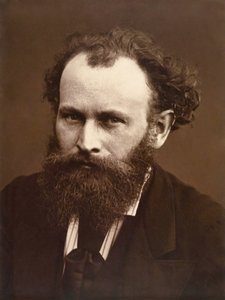
1832 - 1883 , Francja
Odkryj 25 arcydzieł Édouarda Maneta – ikony impresjonizmu i realizmu. Poznaj historie, techniki i inspiracje francuskiego malarstwa XIX wieku. Reprodukcje obrazów najwyższej jakości na BuyPopArt.com! Eksploruj kolekcję online.
Odkryj 10 arcydzieł impresjonizmu od Moneta, Renoir'a i Degasa! Poznaj historię tych ikonicznych obrazów, techniki malarskie i inspiracje. Reprodukcje najwyższej jakości na BuyPopArt.com – idealne do Twojego wnętrza. Eksploruj kolekcję online!

Explore the life & art of Édouard Manet, a pivotal figure bridging Realism and Impressionism. Discover his revolutionary techniques, controversial masterpieces like 'Olympia,' and lasting impact on modern art history.

Odkryj 10 arcydzieł impresjonizmu! Poznaj historie Claude Moneta, Degasa i Van Gogha. Reprodukcje obrazów najwyższej jakości – pejzaże pełne światła i koloru do Twojego wnętrza. BuyPopArt.

Explore the captivating world of Impressionism! Discover its history, key artists like Monet & Renoir, defining techniques, and lasting impact on modern art. Expert insights for collectors.


Bądź na bieżąco z najnowszymi wiadomościami ze świata sztuki, ekskluzywnymi ofertami i inspiracjami dekoratorskimi.
Opowiedz nam o swoim projekcie, a nasi eksperci przygotują dla Ciebie 3 spersonalizowane propozycje dzieł sztuki.
Przygotujemy dla Ciebie 3 propozycje zupełnie za darmo!


 Podgląd w skali
 Wyślij jako kartkę
 Udostępnij
 Szczegóły dzieła

 Pobierz
 Podobne obiekty
 RTG
RTG Pokaz slajdów
 Rozwiń treść







 Opcja ze szkłem jest dostępna wyłącznie w rozmiarach poniżej 110 cm