Zamów wydruk Zamów wydrukZamów reprodukcję Zamów reprodukcję UdostępnijUdostępnij
Szczegóły dziełaSzczegóły dzieła Dodaj do ulubionych Dodaj do ulubionych PobierzPobierz Podobne obiektyPodobne obiekty RTGRTG Pokaz slajdówPokaz slajdów

Capron House

Experience the quiet beauty of Edward Hopper's 'Capron House,' a watercolor capturing rural solitude and American realism with masterful light and shadow. Explore BuyPopArt’s exquisite reproductions.

Edward Hopper – mistrz amerykańskiego realizmu, maluje samotność i miejski krajobraz z wyczarującym światłem i cieniem. Odkryj jego ikoniczne obrazy, takie jak Nighthawks!

Kup wysokiej rozdzielczości, ulepszony obraz cyfrowy, znacznie lepszy niż podgląd online.

Każdy plik jest starannie przygotowywany przez naszych specjalistów przy użyciu zaawansowanych narzędzi oraz profesjonalnej, ręcznej retuszy. Dbamy o to, aby każdy obraz cechował się wyjątkową ostrością, precyzyjnym odwzorowaniem kolorów i subtelnymi detalami.

Ostateczny plik dostarczany jest drogą mailową w ciągu 72 godzin, zoptymalizowany do natychmiastowego wykorzystania w profesjonalnych zastosowaniach redakcyjnych i poligraficznych. To ta sama jakość, której ufają czołowe studia projektowe, wydawnictwa oraz galerie sztuki.

Obraz cyfrowy

Pobierz plik o wysokiej rozdzielczości do osobistego wyświetlania, druku oraz projektów kreatywnych.

Suma do zapłaty

$9.99

Zawarte w każdym zamówieniu na obraz cyfrowy

Profesjonalna dostawa cyfrowa, gwarantowana

Wybierając BuyPopArt.com, nie otrzymujesz jedynie obrazu – otrzymujesz profesjonalnie udoskonalone cyfrowe dzieło sztuki, stworzone z najwyższą precyzją i objęte gwarancją satysfakcji. Oto wszystko, co automatycznie dołączane jest do Twojego zamówienia:

shipping_icon
Błyskawiczna wysyłka e-mailowa

Plik z obrazem cyfrowym w wysokiej rozdzielczości zostanie przesłany na Twój adres e-mail w ciągu 72 godzin od złożenia zamówienia – gotowy do natychmiastowego użycia.

canvas_icon
Plik cyfrowy wzbogacony przez AI

Twoja grafika została profesjonalnie zoptymalizowana przy użyciu zaawansowanych narzędzi AI oraz ręcznej edycji, co zapewnia maksymalną szczegółowość, klarowność i wierność kolorów.

insurance_icon
Dożywotnia darmowa ponowna dostawa

Przypadkowo usunąłeś lub zgubiłeś swój plik? Bez obaw – prześlemy go Tobie ponownie w dowolnym momencie, bez żadnych opłat.

tax_icon
Bez opłat importowych – zawsze

Ciesz się swoją sztuką natychmiast, bez żadnych opłat celnych, należności ani kosztów dostawy – pliki cyfrowe są zawsze wolne od podatku.

color_icon
Gwarancja wierności kolorów

Dzięki zastosowaniu profesjonalnych narzędzi i procesów zarządzania barwą zapewniamy, że Twoje cyfrowe zdjęcie odzwierciedla oryginalne kolory tak wiernie, jak to tylko możliwe.

return_icon
60-dniowa gwarancja satysfakcji

Jeśli nie będziesz zadowolony ze swojego cyfrowego obrazu, poprawimy go lub zwrócimy 100% kosztów w ciągu 60 dni – bez żadnych pytań.

guarantee_icon
100% Gwarancja zwrotu pieniędzy

Nie zadowoleni? Otrzymaj pełny zwrot kosztów w ciągu 60 dni od otrzymania pliku cyfrowego – bez zbędnych pytań.

discount_icon
Rabaty na zamówienia hurtowe

Kup 3 obrazy, oszczędź 10% - Kup 5, oszczędź 15% - Kup 10+, oszczędź 20%. Idealne do projektów kreatywnych, galerii i agencji.
Szybkie fakty

  • Influences: Realism
  • Artistic style: Minimalist
  • Location: Private Collection
  • Medium: Watercolor
  • Notable elements or techniques: Evocative light & shadow
  • Title: Capron House

Quiz o sztuce

Na każde pytanie istnieje tylko jedna poprawna odpowiedź.

Pytanie 1:
What is the predominant artistic style employed by Edward Hopper in ‘Capron House’?
Pytanie 2:
The painting depicts a scene primarily set in what type of environment?
Pytanie 3:
What prominent architectural element is featured prominently in the composition?
Pytanie 4:
The inclusion of vehicles like trucks and cars contributes to what overarching thematic element within the artwork?
Pytanie 5:
Considering Hopper’s artistic approach, how would you describe the mood conveyed by ‘Capron House’?

Opis obiektu kolekcjonerskiego

A Snapshot of Quietude: Examining Edward Hopper’s “Capron House”

Edward Hopper's "Capron House," painted in 1931, transcends mere depiction; it embodies the very essence of American modernism—a poignant meditation on solitude and unspoken narratives within a meticulously observed domestic scene. This watercolor captures a rural farmhouse bathed in diffused light, instantly establishing a mood of contemplative stillness that defines Hopper’s signature style. The composition is deceptively simple: a modest white clapboard house with a vibrant red roof sits alongside a weathered barn, anchoring the eye to the central focus. Two figures stand on the porch, their postures conveying a sense of detachment and observation—perhaps contemplating the day's tasks or simply absorbing the tranquility of the surroundings. Adding to the visual richness is a parked truck and several vehicles scattered across the lawn, subtly hinting at the realities of rural life and hinting at Hopper’s fascination with capturing everyday moments.

The Painterly Technique: Hopper’s Mastery of Light and Shadow

Hopper's technique—characterized by precise watercolor washes combined with subtle gradations of tone—is instrumental in conveying his artistic vision. He eschewed dramatic color palettes, favoring muted hues that heighten the emotional impact of the scene. The artist skillfully utilizes light to sculpt form, casting shadows that delineate architectural details and subtly emphasizing the figures’ isolation. Hopper's meticulous attention to detail isn’t merely decorative; it serves as a conduit for conveying psychological depth—the way light falls upon surfaces speaks volumes about mood and atmosphere. This careful rendering of texture contributes significantly to the painting's palpable sense of realism, grounding it in tangible observation.

Historical Context: Hopper and the Spirit of Depression Era America

“Capron House” emerged during the Great Depression, a period marked by economic hardship and pervasive anxiety. Hopper’s work reflects this societal climate, capturing not just physical spaces but also the psychological landscape of individuals grappling with uncertainty and loneliness. The painting speaks to the anxieties of a nation confronting profound social change—the decline of traditional values and the rise of urban alienation. Hopper's artistic choices align perfectly with the prevailing aesthetic sensibilities of the time, prioritizing understated emotion and conveying a sense of melancholy that resonates powerfully even today. It’s a portrait not just of a house but of an emotional state – one of quiet contemplation amidst a world undergoing transformation.

Symbolism Beyond Surface Appearance

While seemingly straightforward, “Capron House” is laden with symbolic significance. The solitary figures represent humanity's inherent yearning for connection within the confines of isolation—a theme recurrent throughout Hopper’s oeuvre. The house itself symbolizes domesticity and stability, yet its emptiness underscores the absence of companionship. Even the truck serves as a visual reminder of external forces intruding upon personal space, highlighting the tension between individual experience and societal pressures. Hopper's masterful use of visual language invites viewers to contemplate deeper questions about human existence and the complexities of modern life.

Emotional Resonance: Capturing the Essence of Melancholy

Ultimately, “Capron House” succeeds in evoking a profound emotional response—a feeling of quiet melancholy that lingers long after viewing it. Hopper’s ability to distill complex psychological states into visual form is remarkable. The painting's subdued palette and careful composition contribute to its contemplative atmosphere, prompting viewers to consider themes of solitude, observation, and the beauty found within simple moments. Like many of Hopper’s works, “Capron House” doesn’t offer easy answers but rather invites introspection—a testament to his enduring legacy as one of America's most perceptive artists.

Biografia artysty

A Solitude Observed: The Life and Art of Edward Hopper

Edward Hopper, a name inextricably linked to the quietude and subtle melancholy that permeated 20th-century American life, wasn’t simply a painter of scenes; he was a poet of light and shadow, a chronicler of modern isolation. Born in Nyack, New York, in 1882, to middle-class parents of Dutch ancestry, Hopper's early years provided a stable upbringing that nurtured his artistic inclinations. From childhood sketches meticulously dated and signed, it became evident that keen observation and an innate talent for drawing were central to his being. Though initially encouraged towards commercial illustration – a pragmatic suggestion from his parents – Hopper’s ambitions leaned toward fine art, leading him to the New York School of Art where he studied under William Merritt Chase and Robert Henri. These formative years instilled not only technical skill but also an appreciation for realism and a commitment to depicting the world as he saw it—unvarnished and honest. The writings of Ralph Waldo Emerson resonated deeply with Hopper, reinforcing his sense of individualism and acute observation – qualities that would become hallmarks of his artistic vision. Early travels to Paris exposed him to Impressionism, yet Hopper quickly diverged from its fleeting brushstrokes, forging a path uniquely his own.

Finding His Voice: Realism and the American Scene

Hopper’s artistic journey wasn't immediate or effortless. He grappled with discovering his distinctive voice, experimenting with various styles before settling into the realism that would define his career. This wasn’t mere replication of reality; it was a distillation of its essence, stripping away extraneous detail to reveal underlying emotional truths. His paintings began to focus on everyday scenes – houses, diners, offices, hotel rooms – imbued with a sense of stillness and often, loneliness. He possessed an extraordinary ability to capture the psychological states of his subjects, hinting at narratives without explicitly stating them. The precise rendering of light and shadow became crucial, not merely as descriptive elements but as emotional cues, creating atmospheres that were both captivating and unsettling. House by the Railroad (1925), an early masterpiece, exemplifies this approach—a seemingly simple composition radiating a profound sense of isolation and mystery. Hopper’s printmaking, often overlooked, ran parallel to his painting, sharing similar themes and stylistic qualities, demonstrating his mastery across mediums. He wasn't interested in grand historical narratives or allegorical symbolism; he focused on the mundane, elevating it through careful observation and emotional resonance.

Iconic Visions: Nighthawks and Beyond

While Hopper’s career unfolded gradually, certain works catapulted him to widespread recognition. Nighthawks (1942), arguably his most famous painting, became an instant icon of American culture. The late-night diner scene, bathed in stark fluorescent light, perfectly encapsulates the alienation and anonymity of modern urban life. The figures within are lost in their own thoughts, disconnected from one another despite their proximity—a poignant commentary on the human condition. Gas (1940), with its striking portrayal of a roadside gas station, showcases Hopper’s fascination with American landscapes and the burgeoning automobile culture. Other notable works like *Automat*, *Office in a Small City*, and *Summertime* each offer unique insights into the complexities of 20th-century American society. These paintings weren't merely depictions of places; they were explorations of mood, psychology, and the subtle dramas unfolding within ordinary settings. His wife, Josephine Nivison Hopper, played a vital role not only as his lifelong companion but also as a frequent model, contributing significantly to the characterization of his female figures.

Themes and Legacy: A Lasting Influence

Several recurring themes permeate Hopper’s oeuvre. Urban isolation is perhaps the most prominent—the sense of loneliness experienced by individuals even amidst crowds. He explored the American landscape, both rural and urban, often emphasizing its starkness and emptiness. His work delves into psychological realism, probing the inner lives of his subjects with a sensitivity that transcends mere representation. There’s also an undercurrent of nostalgia for a simpler past, juxtaposed with an acknowledgement of the complexities and anxieties of modern life. Hopper's influence on subsequent artists is undeniable. His unique style has inspired countless painters, including Pierre Sanford Ross, and continues to resonate with contemporary artists seeking to capture the essence of human experience. His paintings remain highly sought after by collectors and are exhibited in major museums worldwide, solidifying his place as a pivotal figure in American art history. More than just an artist, Edward Hopper was a visual philosopher, offering profound insights into the human condition through his masterful use of light, shadow, and composition.
  • His legacy lies not only in the beauty of his paintings but also in their enduring ability to provoke thought, evoke emotion, and remind us of the quiet solitude that often defines our lives.
  • Hopper’s work continues to captivate audiences because it speaks to universal themes of loneliness, isolation, and the search for meaning in a rapidly changing world.
  • His paintings have become iconic representations of American culture, often used to symbolize the anxieties and aspirations of the 20th century—and beyond.
  • Hopper’s aesthetic has profoundly influenced filmmakers (like Alfred Hitchcock) and writers, inspiring countless works that explore similar themes of alienation and psychological tension.
Edward Hopper's ability to capture the essence of modern American life with honesty, sensitivity, and a distinctive artistic vision ensures his place as one of the most important artists of the 20th century.
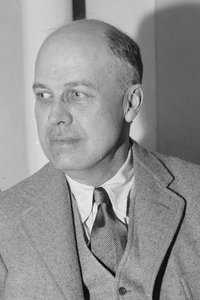
Edward Hopper

Edward Hopper

1931 - 1967 , Stany Zjednoczone

Krótka nota

  • Artistic Movement Or Style: Realizm
  • Artists Or Movements Influenced By This Artist: ['Ross']
  • Artists Who Influenced This Artist:
    • Chase
    • Henri
  • Date Of Birth: 22 lipca 1882
  • Date Of Death: 15 maja 1967
  • Full Name: Edward Hopper
  • Nationality: Amerykański
  • Notable Artworks:
    • Nighthawks
    • Dom samotny
    • Gas
  • Place Of Birth: Nyack, USA
