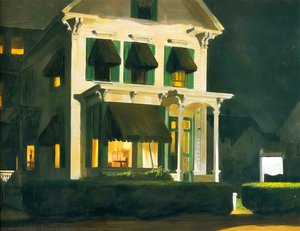
Druk giclée lub płótno o jakości muzealnej, szybka realizacja i szeroki wybór opcji wykończenia. ( Zamów ręcznie malowaną reprodukcję Przełącz na obraz)





























Wybierz spośród naszych standardowych rozmiarów, które zachowują oryginalne proporcje dzieła sztuki.

Możesz wprowadzić własne wymiary, aby dopasować dzieło do konkretnej ramy lub przestrzeni. Jeśli wybrany rozmiar nie będzie odpowiadał proporcjom oryginalnego obrazu, przytniecie dzieło lub rozszerzymy obraz za pomocą odbicia lustrzanego lub jednolitego wypełnienia krawędzi. Przed rozpoczęciem produkcji prześlemy cyfrową wizualizację do Twojej akceptacji.
Prosimy pamiętać, że podgląd na ekranie nie odzwierciedla faktycznego przycinania ani rozszerzania. Tylko wizualizacja dokładnie pokaże końcową kompozycję.
Mimo dostępności niestandardowych rozmiarów, zalecamy wybór wymiaru z listy zdefiniowanej, aby zachować oryginalne proporcje.
Dostawa na cały świat () w ciągu 2 tygodni zamiast standardowych 4/5 tygodni. (1 Sierpień)


Portret Samotnego Artysty
Rozmiar reprodukcji
Edward Hopper's "Self Portrait," painted between 1925 and 1930, isn’t merely a depiction of an artist; it’s a profound meditation on the solitary nature of modern existence. This oil-on-canvas work, measuring approximately 64.5 by 51.8 centimeters, offers a remarkably intimate glimpse into Hopper's psyche – a world characterized by quiet contemplation and a subtle undercurrent of melancholy. The painting immediately draws the viewer in with its stark simplicity: a man, rendered in muted browns and blues, sits before an easel, his gaze fixed directly upon us. It’s a direct address, a silent invitation to share in his introspective moment.
Hopper's style at this period is distinctly recognizable – a masterful blend of realism and impressionism. He employs a precise, almost photographic technique to capture the details of his own features: the slightly furrowed brow, the observant eyes, the hint of weariness around the mouth. Yet, he simultaneously softens these details with loose brushstrokes and an emphasis on light and shadow, creating a sense of atmospheric depth and movement. The use of color is restrained, favoring earthy tones that contribute to the painting’s overall mood of quiet introspection. Notice how Hopper subtly utilizes light – it doesn't illuminate the scene dramatically but rather casts long shadows, emphasizing the isolation of the subject within his studio.
To fully appreciate "Self Portrait," one must consider the historical context in which it was created. The 1920s and 30s were a period of rapid social and economic change in America – urbanization, industrialization, and a growing sense of alienation were reshaping the nation’s landscape and its people. Hopper's work perfectly captures this mood. He wasn’t simply painting scenes; he was documenting the emotional experience of being an individual within a rapidly changing world. The rise of cities, the decline of traditional communities, and the increasing distance between people all contributed to a sense of loneliness and detachment that is powerfully conveyed in his art.
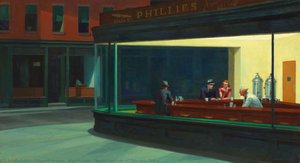
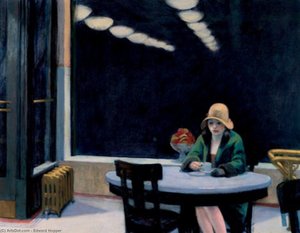
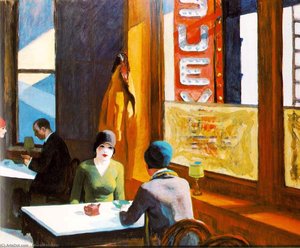
Hopper himself was acutely aware of this social shift. He often depicted scenes of urban solitude – diners filled with solitary figures, train stations teeming with anonymous travelers, empty streets at night – reflecting the isolation he perceived within modern American life. “Self Portrait” can be seen as a microcosm of these larger themes, offering a personal reflection on the challenges and uncertainties of navigating this new era.
Beyond its straightforward depiction of an artist at work, "Self Portrait" is rich in symbolic meaning. The easel itself represents the creative process – a space for self-expression and exploration. However, the subject's posture suggests not triumph or fulfillment but rather a moment of quiet contemplation, perhaps even doubt. The unfinished painting before him could symbolize the ongoing struggle to capture truth and beauty on canvas, mirroring the artist’s own internal struggles.
Furthermore, the direct gaze of the self-portrait is particularly significant. It's not a boastful or arrogant look; rather, it’s an honest, almost vulnerable one. It invites the viewer to connect with the artist on a deeply personal level, acknowledging his own humanity and his own experience of solitude. The painting becomes a testament to the power of introspection – a reminder that even in moments of isolation, there is value in simply being present with oneself.
BuyPopArt offers meticulously crafted hand-painted reproductions of Edward Hopper’s “Self Portrait,” allowing you to bring this iconic work into your home or office. Our skilled artists faithfully recreate the painting's nuanced details, capturing the subtle shifts in light and shadow, the artist’s expressive gaze, and the overall atmosphere of quiet contemplation. Whether you are an art enthusiast, a collector, or simply someone seeking a piece that embodies the spirit of American modernism, our reproductions provide a beautiful and authentic way to experience this timeless masterpiece.
Each reproduction is created using archival-quality materials, ensuring its longevity and preserving the integrity of Hopper’s original vision. Explore our selection today and discover how “Self Portrait” can enrich your space with its evocative beauty and profound emotional resonance.
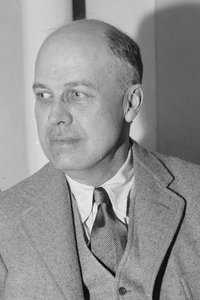
1931 - 1967 , Stany Zjednoczone

Explore the captivating history of chiaroscuro – from Renaissance origins to Caravaggio & Rembrandt's mastery. Discover how light and shadow shaped art, and its enduring influence today.

Explore the revolutionary realism of Caravaggio! Discover his mastery of light & shadow (tenebrism), dramatic religious scenes, and lasting influence on Baroque art history. A comprehensive guide for art enthusiasts.

Poznaj Szkołę Ashcan – rewolucyjny ruch artystyczny, który zdemokratyzował amerykańską sztukę na początku XX wieku. Analiza twórczości Henriego i jego uczniów, wpływ na realizm społeczny oraz dziedzictwo tego wyjątkowego nurtu.
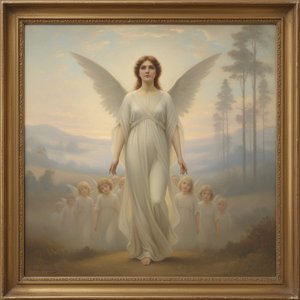
Explore the captivating world of Abbott Handerson Thayer, a pioneer of American realism & Symbolism. Discover his ethereal angel paintings, innovative techniques, and lasting influence on art history. Learn about his scientific pursuits & Transcendentalist spirit.

Explore the life & legacy of Robert Henri, a pivotal figure in American Realism. Discover his captivating portraits, influence on the Ashcan School, and enduring impact on art history. Learn more at BuyPopArt.


Bądź na bieżąco z najnowszymi wiadomościami ze świata sztuki, ekskluzywnymi ofertami i inspiracjami dekoratorskimi.
Opowiedz nam o swoim projekcie, a nasi eksperci przygotują dla Ciebie 3 spersonalizowane propozycje dzieł sztuki.
Pozwól nam przygotować 3 propozycje specjalnie dla Ciebie – za darmo!


 Podgląd w skali
 Wyślij
 Udostępnij
 Szczegóły

 Pobierz plik obrazu
 Podobne obiekty
 RTG
RTG Pokaz slajdów
 Czytaj więcej







 Opcja ze szkłem jest dostępna wyłącznie w rozmiarach poniżej 110 cm