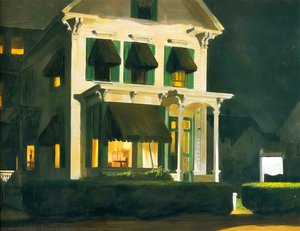
Druk giclée lub płótno o jakości muzealnej, szybka realizacja i szeroki wybór opcji wykończenia. ( Zamów ręcznie malowaną reprodukcję Kup obraz wysokiej rozdzielczości)





























Wybierz spośród naszych standardowych rozmiarów, które zachowują oryginalne proporcje dzieła sztuki.

Możesz wprowadzić własne wymiary, aby dopasować dzieło do konkretnej ramy lub przestrzeni. Jeśli wybrany rozmiar nie będzie odpowiadał proporcjom oryginalnego obrazu, przytniecie dzieło lub rozszerzymy obraz za pomocą odbicia lustrzanego lub jednolitego wypełnienia krawędzi. Przed rozpoczęciem produkcji prześlemy cyfrową wizualizację do Twojej akceptacji.
Prosimy pamiętać, że podgląd na ekranie nie odzwierciedla faktycznego przycinania ani rozszerzania. Tylko wizualizacja dokładnie pokaże końcową kompozycję.
Mimo dostępności niestandardowych rozmiarów, zalecamy wybór wymiaru z listy zdefiniowanej, aby zachować oryginalne proporcje.
Dostawa na cały świat () w ciągu 2 tygodni zamiast standardowych 4/5 tygodni. (15 Sierpień)


untitled (202)
Wymiary reprodukcji
Edward Hopper, a name inextricably linked to the quietude and subtle melancholy that permeated 20th-century American life, wasn’t simply a painter of scenes; he was a poet of light and shadow, a chronicler of modern isolation. Born in Nyack, New York, in 1882, to middle-class parents of Dutch ancestry, Hopper's early years provided a stable upbringing that nurtured his artistic inclinations. From childhood sketches meticulously dated and signed, it became evident that keen observation and an innate talent for drawing were central to his being.
Though initially encouraged towards commercial illustration – a pragmatic suggestion from his parents – Hopper’s ambitions leaned toward fine art, leading him to the New York School of Art where he studied under William Merritt Chase and Robert Henri. These formative years instilled not only technical skill but also an appreciation for realism and a commitment to depicting the world as he saw it. He sought to capture the essence of everyday life—the loneliness, the unspoken anxieties—with unflinching honesty.
Hopper’s oeuvre is characterized by its meticulous realism, achieved through smooth brushstrokes and careful attention to detail. He employed oil paints on canvas—a practice consistent with the artistic conventions of his time—to render scenes bathed in diffused light that heighten emotional resonance. The artist's technique prioritized clarity and precision, creating a sense of detachment rather than overt sentimentality.
Perhaps no painting embodies Hopper’s signature aesthetic more powerfully than “untitled (202).” This artwork depicts a solitary figure seated on a bed within a sparsely furnished room—a motif recurrent throughout his career. The composition is dominated by strong geometric shapes – the rectangular window, the bed, and the walls – creating a feeling of confinement that speaks to the anxieties inherent in modern urban existence.
The muted color palette—primarily cool blues, grays, and pale pinks—underscores the melancholic mood. A warm pink hue highlights the figure’s garment, providing subtle visual contrast against the cooler tones of the room. Hopper's masterful use of perspective subtly suggests depth while maintaining a flattened surface, reinforcing the sense of detachment characteristic of his style.
“untitled (202)” resonates deeply with viewers because it captures a universal experience: the quiet contemplation of solitude amidst the bustle of daily life. It’s a poignant reminder of human vulnerability and longing—themes that Hopper explored consistently throughout his prolific artistic output, cementing his place as one of America's most enduring visual artists.
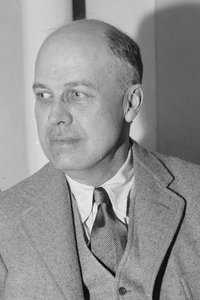
1931 - 1967 , Stany Zjednoczone

Explore the profound depth of American Realism. From the gritty Ashcan School to poignant social landscapes, discover how masters captured the raw soul of a nation through evocative oil paintings and timeless art history.


Bądź na bieżąco z najnowszymi wiadomościami ze świata sztuki, ekskluzywnymi ofertami i inspiracjami dekoratorskimi.
Opowiedz nam o swoim projekcie, a nasi eksperci przygotują dla Ciebie 3 spersonalizowane propozycje dzieł sztuki.
Przygotujemy dla Ciebie 3 propozycje zupełnie za darmo!


 Podgląd w skali
 Wyślij jako kartkę
 Udostępnij
 Szczegóły dzieła

 Pobierz
 Podobne obiekty
 RTG
RTG Pokaz slajdów
 Rozwiń treść







 Opcja ze szkłem jest dostępna wyłącznie w rozmiarach poniżej 110 cm