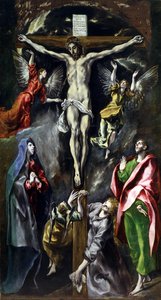
Ręcznie malowany obraz olejny na płótnie, wykonany na zamówienie przez naszych artystów w wybranym przez Ciebie wymiarze i oprawie. ( Przełącz na wydruk Przełącz na obraz)





























Wybierz spośród naszych standardowych rozmiarów, które zachowują oryginalne proporcje dzieła sztuki.

Możesz wprowadzić własne wymiary, aby dopasować obraz do konkretnej ramy lub przestrzeni. Jeśli wybrany rozmiar nie będzie odpowiadał proporcjom oryginału, przytniecie dzieło sztuki lub rozszerzymy je o dodatkowe elementy, ręcznie domalowane przez artystę. Przed rozpoczęciem produkcji wyślemy projekt cyfrowy do Twojej akceptacji.
Należy pamiętać, że podgląd na ekranie nie odzwierciedla rzeczywistego przycinania ani rozszerzania obrazu. Tylko projekt dokładnie pokaże ostateczną kompozycję.
Choć oferujemy możliwość zamówienia niestandardowych rozmiarów, zalecamy wybór wymiaru z gotowej listy, aby zachować oryginalne proporcje dzieła.
Dostawa na całym świecie () w ciągu 3–4 tygodni zamiast standardowych 5 tygodni. (5 Sierpień). Bez kompromisów w kwestii jakości.


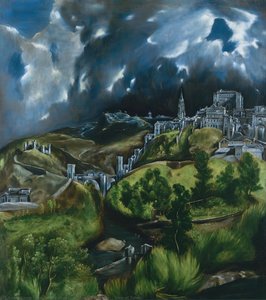
Widok Toledo
Rozmiar reprodukcji
Doménikos Theotokópoulos, universally known as El Greco – “the Greek” – stands apart from his contemporaries not merely as a painter but as an artist who wrestled with the very essence of faith and visual expression. Born in Crete in 1541, under Venetian rule, his artistic journey traversed Venice and Rome before finding its ultimate resonance in Spain’s spiritual heartland: Toledo. El Greco wasn't simply absorbing influences; he synthesized them into a singular aesthetic—a style that foreshadowed the emotive intensity of Expressionism and the fragmented forms of Cubism centuries later.
The View of Toledo, completed around 1610, is arguably El Greco’s most celebrated landscape painting. It's more than just a depiction of a city; it’s an immersive experience—a confrontation between earthly solidity and celestial transcendence. Held by the Metropolitan Museum of Art in New York City, this monumental canvas commands attention with its stark palette: predominantly black and white, punctuated by flashes of cool blues, grays, and whites. This deliberate tonal contrast immediately establishes a mood of solemn contemplation.
El Greco's stylistic innovations extended beyond mere perspective. He employed elongated figures, reminiscent of Byzantine icons, imbued with an unsettling dynamism. This technique reflects his artistic heritage but also distinguishes him from Renaissance artists who prioritized anatomical realism. Furthermore, the artist’s use of color—particularly vibrant blues and whites—was revolutionary for its time, departing radically from the muted hues favored by Venetian painters.
Critics initially puzzled by El Greco's stylistic choices recognized his profound influence on subsequent generations of artists. Harold Wethey argues that “El Greco’s style was known to be more uneven,” reflecting a deliberate rejection of conventional artistic standards. Walter Liedtke emphasizes the importance of understanding El Greco’s philosophical grounding—Platonism and Neo-Platonism—to grasp the depth of his artistic vision.
The View of Toledo encapsulates this spirit of innovation, mirroring El Greco's unwavering devotion to faith and his masterful manipulation of visual language. It stands as a testament to his ability to transform observation into profound contemplation—a legacy that continues to inspire artists and captivate audiences today.
Considered by many scholars as El Greco’s magnum opus, the painting embodies the artist's distinctive style and worldview. Its enduring appeal lies in its ability to evoke a sense of awe and wonder—a reminder that art can transcend mere representation and communicate spiritual truths with unparalleled eloquence.
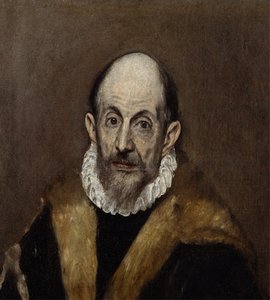
1541 - 1614 , Grecja

Odkryj 25 arcydzieł El Greco – mistrza renesansu i manieryzmu. Poznaj historie, techniki i duchowość w jego obrazach. Reprodukcje najwyższej jakości na BuyPopArt.com. Inspiracje do wnętrz i kolekcja sztuki online!
Odkryj 25 arcydzieł Metropolitańskiego Muzeum Sztuki! Van Gogh, Monet, Renoir i inni – historie artystów, techniki i inspiracje dla Twojego wnętrza. Reprodukcje najwyższej jakości na BuyPopArt.com. Eksploruj kolekcję online!
Odkryj 25 arcydzieł Galerii Narodowej w Waszyngtonie! Poznaj historie Cézanne'a, Matisse'a i Picassa. Inspiracje wnętrzarskie, reprodukcje obrazów najwyższej jakości na BuyPopArt.com – sztuka dla Twojego domu.
Odkryj 25 arcydzieł Paula Cézanne'a – od impresjonizmu po postimpresjonizm. Poznaj historie, techniki i inspiracje malarza, który zrewolucjonizował sztukę. Reprodukcje obrazów najwyższej jakości na BuyPopArt.com!

Odkryj 25 arcydzieł Sir Alfreda Jamesa Munningsa – mistrza malarstwa koni i angielskiego krajobrazu. Poznaj historię, technikę i piękno jego obrazów. Reprodukcje najwyższej jakości na BuyPopArt.com! Eksploruj pełną kolekcję online.


Bądź na bieżąco z najnowszymi wiadomościami ze świata sztuki, ekskluzywnymi ofertami i inspiracjami dekoratorskimi.
Opowiedz nam o swoim projekcie, a nasi eksperci przygotują dla Ciebie 3 spersonalizowane propozycje dzieł sztuki.
Pozwól nam przygotować 3 propozycje specjalnie dla Ciebie – za darmo!


 Podgląd w skali
 Wyślij
 Udostępnij
 Szczegóły

 Pobierz plik obrazu
 Podobne obiekty
 RTG
RTG Pokaz slajdów


 Czytaj więcej







 Opcja ze szkłem jest dostępna wyłącznie w rozmiarach poniżej 110 cm