Druk giclée lub płótno o jakości muzealnej, szybka realizacja i szeroki wybór opcji wykończenia. ( Zamów ręcznie malowaną reprodukcję Kup obraz wysokiej rozdzielczości)





























Wybierz spośród naszych standardowych rozmiarów, które zachowują oryginalne proporcje dzieła sztuki.

Możesz wprowadzić własne wymiary, aby dopasować dzieło do konkretnej ramy lub przestrzeni. Jeśli wybrany rozmiar nie będzie odpowiadał proporcjom oryginalnego obrazu, przytniecie dzieło lub rozszerzymy obraz za pomocą odbicia lustrzanego lub jednolitego wypełnienia krawędzi. Przed rozpoczęciem produkcji prześlemy cyfrową wizualizację do Twojej akceptacji.
Prosimy pamiętać, że podgląd na ekranie nie odzwierciedla faktycznego przycinania ani rozszerzania. Tylko wizualizacja dokładnie pokaże końcową kompozycję.
Mimo dostępności niestandardowych rozmiarów, zalecamy wybór wymiaru z listy zdefiniowanej, aby zachować oryginalne proporcje.
Dostawa na cały świat () w ciągu 2 tygodni zamiast standardowych 4/5 tygodni. (16 Sierpień)


Nie tytuł (6854)
Wymiary reprodukcji
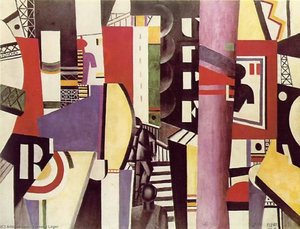
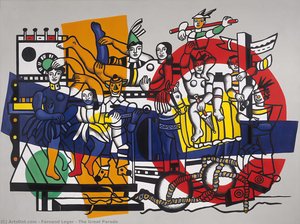
Fernand Léger (1881–1955) stands as a monumental figure in the trajectory of modern art, irrevocably altering perceptions of form and color. Born Joseph Fernand Henri Léger amidst the tranquil landscapes of Argentan, Normandy, his artistic journey transcends mere observation; it embodies an unwavering commitment to capturing the essence of the burgeoning machine age – a fascination that distinguishes him from many contemporaries who retreated into abstraction as a refuge from representational concerns.
His formative years, steeped in the physicality of rural labor and agricultural life, provided a crucial counterpoint to the industrialized future he would passionately portray. Initially drawn to architecture, Léger’s path swiftly pivoted towards painting after arriving in Paris around 1900, fueled by an encounter with Impressionism's luminous palette and expressive brushstrokes. This initial exposure instilled within him a foundational understanding of capturing fleeting moments and conveying emotion through color – principles that would permeate his subsequent artistic endeavors.
Léger’s breakthrough arrived in 1907, coinciding with his immersion into the revolutionary ideas championed by Pablo Picasso and Georges Braque. The influence of Cézanne's geometric simplification proved transformative, propelling Léger toward the development of “Tubism,” a distinctive variant of Cubism that prioritized cylindrical forms and bold, vibrant hues. Unlike traditional Cubist approaches which dissected objects into fragmented planes, Tubism sought to synthesize these fragments into unified structures – an audacious experiment in visual language.
Considered a cornerstone of artistic innovation, Tubism’s aesthetic resonated deeply with the anxieties and aspirations of the era. Léger's canvases depict scenes from urban life—factories, trains, and cityscapes—rendered with meticulous attention to detail yet imbued with an underlying dynamism that reflects the relentless pace of industrial progress. The deliberate flattening of perspective contributes to a sense of immediacy, inviting viewers into the heart of these mechanized environments.
While Léger’s early works often favored muted tones—primarily gray and black—his artistic vision matured during World War I, prompting him to explore richer chromatic palettes. This shift mirrored the broader cultural landscape of the time, where artists wrestled with themes of trauma and resilience. Léger's paintings from this period showcase a masterful command of color theory, utilizing hues like crimson, ochre, and turquoise to convey emotional intensity and heighten visual impact.
His oeuvre extends beyond monumental canvases; Léger also experimented with sculpture, ceramics, and filmmaking—demonstrating an unparalleled versatility that cemented his legacy as one of the most influential artists of the 20th century. Léger’s enduring appeal lies not merely in his stylistic innovations but in his profound engagement with the spirit of his time – a testament to his ability to transform observation into artistic expression.
Fernand Léger’s pioneering approach to Cubism profoundly impacted subsequent generations of artists, notably paving the way for the emergence of Pop Art in the 1960s. Artists like Andy Warhol recognized Léger’s willingness to embrace simplified forms and bold colors as a radical departure from traditional artistic conventions—a courageous assertion of visual language that mirrored the ethos of popular culture.
Today, Léger's artwork continues to inspire collectors and interior designers alike, offering a captivating glimpse into the formative years of modern art. Reproductions of his iconic paintings – such as “Nudes in the Forest” and “The Card Players” – adorn homes and galleries worldwide, ensuring that Léger’s visionary aesthetic persists as a beacon of artistic innovation.
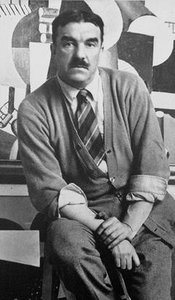
1881 - 1955 , Francja

Odkryj subtelności czarno-białych abstrakcji we wnętrzach! Eksperckie porady dotyczące historii, psychologii i zastosowania w projektach hotelowych. Znajdź idealną reprodukcję z BuyPopArt.

Odkryj 10 arcydzieł kubizmu Picassa, Braque'a i innych mistrzów! Poznaj historię sztuki współczesnej, inspiracje wnętrzarskie i techniki malarskie. Reprodukcje obrazów najwyższej jakości na BuyPopArt.com – znajdź idealny element dekoracji.

Odkryj 10 arcydzieł kubizmu – od Picassa i Braque'a po Légera! Poznaj historię, techniki i ekspresję tych rewolucyjnych dzieł sztuki. Reprodukcje najwyższej jakości na BuyPopArt.com. Eksploruj kolekcję online!

Odkryj 10 arcydzieł kubizmu, które zrewolucjonizowały portret! Poznaj historię Picasso, Braque'a i innych mistrzów. Inspiracje do wnętrz i reprodukcje najwyższej jakości na BuyPopArt.com – sztuka dla Twojego domu.
Odkryj 10 arcydzieł sztuki, w których dominuje moc czerni i bieli. Poznaj historie Rembrandta, Goyi, Picassa i innych mistrzów oraz ich ekspresyjne obrazy. Reprodukcje najwyższej jakości na BuyPopArt.com – inspiracje dla Twojego wnętrza! Eksploruj kolekcję online.


Bądź na bieżąco z najnowszymi wiadomościami ze świata sztuki, ekskluzywnymi ofertami i inspiracjami dekoratorskimi.
Opowiedz nam o swoim projekcie, a nasi eksperci przygotują dla Ciebie 3 spersonalizowane propozycje dzieł sztuki.
Przygotujemy dla Ciebie 3 propozycje zupełnie za darmo!


 Podgląd w skali
 Wyślij jako kartkę
 Udostępnij
 Szczegóły dzieła

 Pobierz
 Podobne obiekty
 RTG
RTG Pokaz slajdów
 Rozwiń treść







 Opcja ze szkłem jest dostępna wyłącznie w rozmiarach poniżej 110 cm