Druk giclée lub płótno o jakości muzealnej, szybka realizacja i szeroki wybór opcji wykończenia. ( Zamów ręcznie malowaną reprodukcję Kup obraz wysokiej rozdzielczości)





























Wybierz spośród naszych standardowych rozmiarów, które zachowują oryginalne proporcje dzieła sztuki.

Możesz wprowadzić własne wymiary, aby dopasować dzieło do konkretnej ramy lub przestrzeni. Jeśli wybrany rozmiar nie będzie odpowiadał proporcjom oryginalnego obrazu, przytniecie dzieło lub rozszerzymy obraz za pomocą odbicia lustrzanego lub jednolitego wypełnienia krawędzi. Przed rozpoczęciem produkcji prześlemy cyfrową wizualizację do Twojej akceptacji.
Prosimy pamiętać, że podgląd na ekranie nie odzwierciedla faktycznego przycinania ani rozszerzania. Tylko wizualizacja dokładnie pokaże końcową kompozycję.
Mimo dostępności niestandardowych rozmiarów, zalecamy wybór wymiaru z listy zdefiniowanej, aby zachować oryginalne proporcje.
Dostawa na cały świat () w ciągu 2 tygodni zamiast standardowych 4/5 tygodni. (17 Sierpień)


untitled (749)
Wymiary reprodukcji
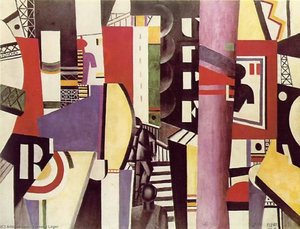
Fernand Léger's "untitled (749)," a captivating monochrome drawing, isn’t merely a depiction of figures on bicycles; it’s a vibrant snapshot of the burgeoning modernity that gripped Europe in the early 20th century. Created around 1930, this piece embodies Léger’s signature “Tubism,” a style he pioneered – a bold departure from traditional representation that sought to capture the essence of industrial life and its impact on human experience. The drawing pulsates with an energy born from simplified forms, geometric precision, and a deliberate fragmentation of perspective, inviting viewers into a world where the familiar is subtly transformed.
Léger’s approach to Cubism wasn't about replicating reality; it was about distilling it. He moved beyond Picasso and Braque’s initial explorations of fractured planes, developing a more streamlined aesthetic. “untitled (749)” exemplifies this with its flattened perspective – figures are presented simultaneously from multiple viewpoints, creating an illusion of depth through overlapping forms rather than traditional spatial relationships. The bicycles themselves aren't rendered realistically; instead, they become stylized machines, their wheels and frames reduced to essential geometric shapes. This deliberate simplification isn’t a rejection of detail, but a conscious choice to highlight the underlying structure and mechanics of the scene.
More than just an observation of urban life, “untitled (749)” speaks to the transformative power of industrialization. Léger was deeply fascinated by machines and their impact on society, viewing them as both a source of progress and a potential threat to traditional ways of life. The figures interacting with the bicycles can be interpreted as representing humanity’s adaptation to this new reality – embracing the speed and efficiency of modern transportation while grappling with its implications for social interaction and individual identity. The monochrome palette further emphasizes this industrial theme, evoking the cold steel and functional surfaces of factories and machines.
The drawing's composition suggests a sense of hurried movement, mirroring the pace of life in an increasingly mechanized world.Fernand Léger was a pivotal figure in the transition from early Cubism to more accessible forms of modern art. His work paved the way for Pop Art, demonstrating that everyday subjects—like bicycles and urban scenes—could be elevated to the level of artistic expression. His exploration of industrial themes resonated with a generation grappling with rapid technological advancements and societal change. Léger’s influence extends beyond painting; his distinctive style has been adopted by designers, architects, and filmmakers, solidifying his place as a key innovator in 20th-century art. Reproductions of “untitled (749)” offer a tangible connection to this groundbreaking artist and his enduring vision.
Today, "untitled (749)" stands as a testament to Léger’s unique ability to capture the spirit of an era—a dynamic blend of mechanization, movement, and human interaction that continues to resonate with audiences today.
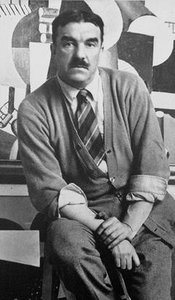
1881 - 1955 , Francja

Odkryj subtelności czarno-białych abstrakcji we wnętrzach! Eksperckie porady dotyczące historii, psychologii i zastosowania w projektach hotelowych. Znajdź idealną reprodukcję z BuyPopArt.

Odkryj trwałe dziedzictwo wczesnego modernizmu w sztuce i architekturze. Ekskluzywne analizy, wpływ awangardy, polskie interpretacje i inspiracje dla kolekcjonerów. BuyPopArt – Twoja brama do świata arcydzieł.

Odkryj 10 arcydzieł kubizmu Picassa, Braque’a i innych mistrzów! Poznaj historię tego rewolucyjnego ruchu w sztuce. Reprodukcje obrazów najwyższej jakości do Twojego wnętrza – BuyPopArt.com.

Odkryj 10 arcydzieł kubizmu Picassa, Braque'a i innych mistrzów! Poznaj historię sztuki współczesnej, inspiracje wnętrzarskie i techniki malarskie. Reprodukcje obrazów najwyższej jakości na BuyPopArt.com – znajdź idealny element dekoracji.
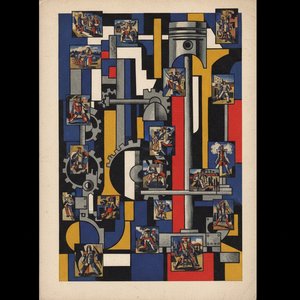
Odkryj 25 arcydzieł Fernanda Légera – pioniera kubizmu i malarstwa maszyn. Poznaj historię, technikę i inspiracje tych ikonicznych obrazów. Reprodukcje najwyższej jakości na BuyPopArt.com! Eksploruj pełną kolekcję online.


Bądź na bieżąco z najnowszymi wiadomościami ze świata sztuki, ekskluzywnymi ofertami i inspiracjami dekoratorskimi.
Opowiedz nam o swoim projekcie, a nasi eksperci przygotują dla Ciebie 3 spersonalizowane propozycje dzieł sztuki.
Przygotujemy dla Ciebie 3 propozycje zupełnie za darmo!


 Podgląd w skali
 Wyślij jako kartkę
 Udostępnij
 Szczegóły dzieła

 Pobierz
 Podobne obiekty
 RTG
RTG Pokaz slajdów

 Rozwiń treść







 Opcja ze szkłem jest dostępna wyłącznie w rozmiarach poniżej 110 cm