

 Olej na płótnieSztuka ściennaExpressionism
 1958Renesans
 152.0 x 119.0 cm
Ręcznie malowany obraz olejny na płótnie, wykonany na zamówienie przez naszych artystów w wybranym przez Ciebie wymiarze i oprawie. ( Zamów wydruk Kup obraz wysokiej rozdzielczości)





























Wybierz spośród naszych standardowych rozmiarów, które zachowują oryginalne proporcje dzieła sztuki.

Możesz wprowadzić własne wymiary, aby dopasować obraz do konkretnej ramy lub przestrzeni. Jeśli wybrany rozmiar nie będzie odpowiadał proporcjom oryginału, przytniecie dzieło sztuki lub rozszerzymy je o dodatkowe elementy, ręcznie domalowane przez artystę. Przed rozpoczęciem produkcji wyślemy projekt cyfrowy do Twojej akceptacji.
Należy pamiętać, że podgląd na ekranie nie odzwierciedla rzeczywistego przycinania ani rozszerzania obrazu. Tylko projekt dokładnie pokaże ostateczną kompozycję.
Choć oferujemy możliwość zamówienia niestandardowych rozmiarów, zalecamy wybór wymiaru z gotowej listy, aby zachować oryginalne proporcje dzieła.
Dostawa na całym świecie () w ciągu 3–4 tygodni zamiast standardowych 5 tygodni. (24 Sierpień). Bez kompromisów w kwestii jakości.


Self Portrait
Wymiary reprodukcji
Francis Bacon’s Self Portrait, painted in 1958, stands as an arresting testament to the artist's profound engagement with existential anxieties and his singular approach to figurative painting. More than just a depiction of the individual, it embodies a complex exploration of psychological torment—a visual distillation of the human condition at its most vulnerable.
Composition & Style The canvas measures 152 x 119 cm and is executed in oil on canvas. Bacon’s distinctive style—characterized by distorted forms, fragmented surfaces, and unsettling juxtapositions—immediately commands attention. He eschews traditional perspective, opting instead for a flattened space that amplifies the emotional intensity of the scene. The central figure sits rigidly on a bench, his hands covering his face in a gesture of profound despair.
Expressionism & Technique Bacon’s masterful use of expressionist techniques—particularly bold brushstrokes and impasto—creates a palpable sense of unease. Thickly applied paint captures the physicality of emotion, conveying a visceral reaction to trauma and isolation. The abstracted background forms—sweeping lines and amorphous shapes—further contribute to the painting's turbulent atmosphere, mirroring the internal turmoil depicted in the central figure.
Historical Context & Symbolism Created during Bacon’s prolific output period, Self Portrait aligns with broader artistic trends of the mid-century. It echoes influences from Surrealism and Cubism, reflecting a fascination with exploring subconscious states and challenging conventional representations of reality. The gesture of covering one's face—a recurring motif in Bacon’s oeuvre—symbolizes concealment, repression, and the struggle to confront uncomfortable truths. It speaks to the universal experience of confronting mortality and grappling with inner demons.
Comparison & Legacy Bacon’s Self Portrait shares thematic resonances with other significant works by the artist, notably Study for a Self Portrait (1963) and Diptych: Study from the Human Body – from a Drawing by Ingres (1982 – 1984). These pieces similarly delve into themes of psychological vulnerability and existential crisis, cementing Bacon’s reputation as one of the most influential artists of his time.
Museum Collection The painting resides in the Smithsonian American Art Museum in Washington D.C., alongside other celebrated works by Bacon and luminaries like George Peter Alexander Healy and Benjamin Kopman—a testament to Bacon's enduring impact on the artistic landscape.
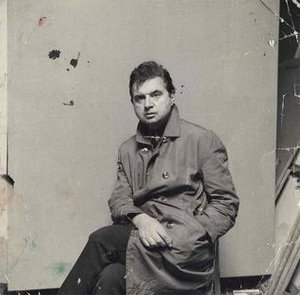
1909 - 1992 , Irlandia

Dive into the raw, visceral world of Figurative Expressionism. Explore how icons like Schiele and Bacon use bold textures and intense human forms to redefine modern aesthetics. Discover high-impact art that brings unapologetic energy and emotional depth to your contemporary space.


Bądź na bieżąco z najnowszymi wiadomościami ze świata sztuki, ekskluzywnymi ofertami i inspiracjami dekoratorskimi.
Opowiedz nam o swoim projekcie, a nasi eksperci przygotują dla Ciebie 3 spersonalizowane propozycje dzieł sztuki.
Przygotujemy dla Ciebie 3 propozycje zupełnie za darmo!


 Podgląd w skali
 Wyślij jako kartkę
 Udostępnij
 Szczegóły dzieła

 Pobierz
 Podobne obiekty
 RTG
RTG Pokaz slajdów
 Rozwiń treść







 Opcja ze szkłem jest dostępna wyłącznie w rozmiarach poniżej 110 cm


