Druk giclée lub płótno o jakości muzealnej, szybka realizacja i szeroki wybór opcji wykończenia. ( Zamów ręcznie malowaną reprodukcję Przełącz na obraz)
Wybierz spośród naszych standardowych rozmiarów, które zachowują oryginalne proporcje dzieła sztuki.

Możesz wprowadzić własne wymiary, aby dopasować dzieło do konkretnej ramy lub przestrzeni. Jeśli wybrany rozmiar nie będzie odpowiadał proporcjom oryginalnego obrazu, przytniecie dzieło lub rozszerzymy obraz za pomocą odbicia lustrzanego lub jednolitego wypełnienia krawędzi. Przed rozpoczęciem produkcji prześlemy cyfrową wizualizację do Twojej akceptacji.
Prosimy pamiętać, że podgląd na ekranie nie odzwierciedla faktycznego przycinania ani rozszerzania. Tylko wizualizacja dokładnie pokaże końcową kompozycję.
Mimo dostępności niestandardowych rozmiarów, zalecamy wybór wymiaru z listy zdefiniowanej, aby zachować oryginalne proporcje.
Dostawa na cały świat () w ciągu 2 tygodni zamiast standardowych 4/5 tygodni. (4 Sierpień)


Attack
Rozmiar reprodukcji
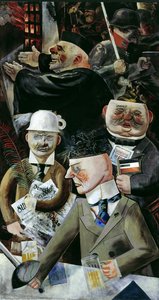
George Grosz's "Attack" is a striking charcoal drawing that plunges the viewer into a chaotic and unsettling nighttime scene within an urban environment. Created during the tumultuous period of the Weimar Republic, this artwork exemplifies the New Objectivity movement’s unflinching portrayal of societal decay and moral corruption in post-World War I Germany.
The drawing depicts a dramatic struggle unfolding on a street below a building with a prominent balcony. The composition is dynamic, guiding the eye from the architectural structure to the figures engaged in conflict and culminating in a dog fleeing the scene. This sequence creates a narrative of escalating tension and potential violence. The elevated perspective offers a detached yet intimate view of the events, allowing for observation of the broader context while focusing on the immediate drama.
Grosz employs a monochromatic palette of charcoal on paper, utilizing hatching and cross-hatching techniques to build tonal values and create texture. The lines are predominantly thick and gestural, contributing to a sense of urgency and raw emotion. While rooted in realism, the artwork transcends mere representation through expressive shading and distorted perspectives. Geometric shapes – the building blocks of the architecture, the figures involved in the struggle, and the street itself – are softened by the charcoal’s atmospheric quality. The dramatic lighting, with stark contrasts between light and shadow, emphasizes key elements and amplifies the overall sense of unease.
"Attack" is deeply embedded within the historical context of the Weimar Republic (1919-1933), a period marked by political instability, economic hardship, and social fragmentation. Grosz's work often served as a scathing critique of German society, exposing its hypocrisy and moral bankruptcy. The fleeing dog can be interpreted as a symbol of fear or escape, reflecting the anxieties prevalent during this era. The moonlit sky adds a layer of symbolic depth, potentially representing an ominous presence or a sense of foreboding. Grosz's affiliation with Dadaism and New Objectivity further underscores his commitment to challenging conventional artistic norms and confronting uncomfortable truths.
The emotional impact of "Attack" is palpable – the artwork evokes feelings of tension, vulnerability, and impending danger. The chaotic composition and stark monochromatic palette contribute to a sense of unease and disorientation. Grosz's masterful use of charcoal creates a visceral experience for the viewer, drawing them into the heart of the depicted conflict. As a seminal work within the New Objectivity movement, "Attack" remains a powerful testament to Grosz’s artistic vision and his unflinching portrayal of societal ills.

1893 - 1959 , Niemcy

Poznaj historię dadaizmu – radykalnego ruchu artystycznego XX wieku, który zrewolucjonizował pojęcie sztuki. Analiza twórczości Duchampa, Tzary i innych kluczowych artystów. Ekskluzywne spojrzenie na wpływ dadaizmu na współczesną kulturę.

Poznaj Szkołę Ashcan – rewolucyjny ruch artystyczny, który zdemokratyzował amerykańską sztukę na początku XX wieku. Analiza twórczości Henriego i jego uczniów, wpływ na realizm społeczny oraz dziedzictwo tego wyjątkowego nurtu.

Explore the life & art of George Breitner, a pivotal figure in Dutch realism. Discover his evocative paintings of Amsterdam street life, innovative techniques, and lasting influence on modern art. Learn more at BuyPopArt.

Analiza reprezentacji życia miejskiego w sztuce nowoczesnej i współczesnej – od realizmu socjalistycznego po awangardę. Eksperckie spojrzenie na ideologię, urbanizm i krytykę społeczną w malarstwie i fotografii miejskiej.

Explore the captivating world of graphite drawing! Discover its rich history, master essential techniques like chiaroscuro, and learn how artists evoke emotion through this timeless medium. Expert insights for art enthusiasts.


Bądź na bieżąco z najnowszymi wiadomościami ze świata sztuki, ekskluzywnymi ofertami i inspiracjami dekoratorskimi.
Opowiedz nam o swoim projekcie, a nasi eksperci przygotują dla Ciebie 3 spersonalizowane propozycje dzieł sztuki.
Pozwól nam przygotować 3 propozycje specjalnie dla Ciebie – za darmo!


 Podgląd w skali
 Wyślij
 Udostępnij
 Szczegóły

 Pobierz plik obrazu
 Podobne obiekty
 RTG
RTG Pokaz slajdów
 Czytaj więcej




































 Opcja ze szkłem jest dostępna wyłącznie w rozmiarach poniżej 110 cm