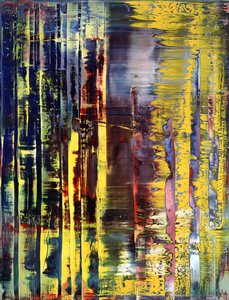
Acrylic On CanvasWallArtContemporary Realism
 1976Contemporary
 73.0 x 105.0 cm
Druk giclée lub płótno o jakości muzealnej, szybka realizacja i szeroki wybór opcji wykończenia. ( Zamów ręcznie malowaną reprodukcję Kup obraz wysokiej rozdzielczości)





























Wybierz spośród naszych standardowych rozmiarów, które zachowują oryginalne proporcje dzieła sztuki.

Możesz wprowadzić własne wymiary, aby dopasować dzieło do konkretnej ramy lub przestrzeni. Jeśli wybrany rozmiar nie będzie odpowiadał proporcjom oryginalnego obrazu, przytniecie dzieło lub rozszerzymy obraz za pomocą odbicia lustrzanego lub jednolitego wypełnienia krawędzi. Przed rozpoczęciem produkcji prześlemy cyfrową wizualizację do Twojej akceptacji.
Prosimy pamiętać, że podgląd na ekranie nie odzwierciedla faktycznego przycinania ani rozszerzania. Tylko wizualizacja dokładnie pokaże końcową kompozycję.
Mimo dostępności niestandardowych rozmiarów, zalecamy wybór wymiaru z listy zdefiniowanej, aby zachować oryginalne proporcje.
Dostawa na cały świat () w ciągu 2 tygodni zamiast standardowych 4/5 tygodni. (14 Sierpień)


Vesuvius
Wymiary reprodukcji
Gerhard Richter’s “Vesuvius,” painted in 1976, isn't merely a depiction of the Italian volcano; it’s an exploration of how memory shapes perception. Richter, deeply influenced by his formative years under Nazi Germany—a period characterized by displacement and uncertainty—employs his signature technique of layering semi-transparent squares of color onto a photographic print to achieve a mesmerizing effect.
Richter's fascination with photography stems from a profound belief that it possesses an inherent honesty—a quality he seeks to preserve while simultaneously transforming it into something new. He argues that photographs capture moments in time with unparalleled accuracy, yet they are inherently incomplete representations of experience. By reworking these images through color washes, Richter acknowledges this limitation but elevates them beyond mere documentation.
“The photograph,” Richter famously stated, “is not a copy; it’s an interpretation.”The subtle hues employed in “Vesuvius” aren't intended to convey literal representations of the volcano itself. Rather, they serve as conduits for emotion—a reflection of Richter’s own contemplative gaze upon the landscape. The colors evoke a sense of melancholy and quiet contemplation, mirroring the artist’s preoccupation with memory and loss.
While “Vesuvius” presents a visually striking panorama, its significance transcends mere visual pleasure. The volcano symbolizes both destructive power and regenerative potential—themes that resonate deeply within Richter's artistic worldview. He uses color to subtly suggest these ideas, inviting viewers to engage in an imaginative dialogue with the artwork.

1932 - , Niemcy

Explore the profound world of Gerhard Richter's abstract paintings. Discover his techniques, influences, and lasting impact on contemporary art – a guide for discerning collectors.
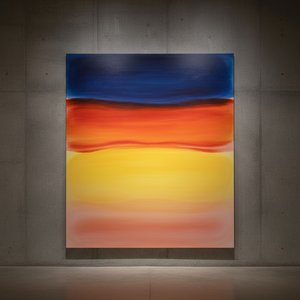
Explore the profound emotional depth of Mark Rothko's abstract expressionism. Discover the history, techniques & lasting impact of this pivotal Color Field painter. Expert insights for collectors and art enthusiasts.

Odkryj fascynujący świat współczesnej abstrakcji i wpływu oświetlenia na percepcję sztuki. Ekspercka analiza, inspiracje dla kolekcjonerów i kuratorów. Poznaj techniki i psychologię koloru.
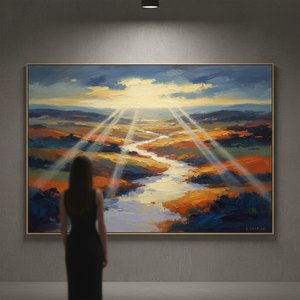
Explore the captivating landscape paintings of Stephen Chaplin, renowned for his 'Treatment in Minors' series & unique blend of Pop Art and historical realism. Discover his artistic journey & emotional depth.

Explore the captivating world of Beatrice Parsons, a pioneering British abstract expressionist. Discover her journey from garden watercolors to evocative color field paintings and learn about her place within art history.


Bądź na bieżąco z najnowszymi wiadomościami ze świata sztuki, ekskluzywnymi ofertami i inspiracjami dekoratorskimi.
Opowiedz nam o swoim projekcie, a nasi eksperci przygotują dla Ciebie 3 spersonalizowane propozycje dzieł sztuki.
Przygotujemy dla Ciebie 3 propozycje zupełnie za darmo!


 Podgląd w skali
 Wyślij jako kartkę
 Udostępnij
 Szczegóły dzieła

 Pobierz
 Podobne obiekty
 RTG
RTG Pokaz slajdów
 Rozwiń treść







 Opcja ze szkłem jest dostępna wyłącznie w rozmiarach poniżej 110 cm