

Ręcznie malowany obraz olejny na płótnie, wykonany na zamówienie przez naszych artystów w wybranym przez Ciebie wymiarze i oprawie. ( Zamów wydruk Kup obraz wysokiej rozdzielczości)
Wybierz spośród naszych standardowych rozmiarów, które zachowują oryginalne proporcje dzieła sztuki.

Możesz wprowadzić własne wymiary, aby dopasować obraz do konkretnej ramy lub przestrzeni. Jeśli wybrany rozmiar nie będzie odpowiadał proporcjom oryginału, przytniecie dzieło sztuki lub rozszerzymy je o dodatkowe elementy, ręcznie domalowane przez artystę. Przed rozpoczęciem produkcji wyślemy projekt cyfrowy do Twojej akceptacji.
Należy pamiętać, że podgląd na ekranie nie odzwierciedla rzeczywistego przycinania ani rozszerzania obrazu. Tylko projekt dokładnie pokaże ostateczną kompozycję.
Choć oferujemy możliwość zamówienia niestandardowych rozmiarów, zalecamy wybór wymiaru z gotowej listy, aby zachować oryginalne proporcje dzieła.
Dostawa na całym świecie () w ciągu 3–4 tygodni zamiast standardowych 5 tygodni. (20 Sierpień). Bez kompromisów w kwestii jakości.


A Philosopher
Wymiary reprodukcji
In the quiet, mist-shrouded landscapes of late Baroque Switzerland, the name Giuseppe Antonio Petrini resonates as a symbol of profound intellectual and spiritual depth. Born in 1677 in Carona, within the scenic Canton Ticino, Petrini emerged from a region where the artistic currents of Northern Italy and the Alpine north met in a unique cultural confluence. His life and work were not merely about the depiction of faces, but about the exploration of the human soul through the lens of speculative painting—a term used by his contemporary Pietro Ligari to describe an art form that transcends mere imitation to explore philosophical truths.
The foundations of Petrini’s mastery were likely laid in the studio of the esteemed Bartolomeo Guidobono around the turn of the 18th century. Under this tutelage, Petrini absorbed the delicate, emotive qualities of the Lombard Baroque, a style that favored grace and atmospheric beauty. As his career progressed, however, he developed a singular voice that could pivot from the soft, lyrical textures of his mentor to the dramatic, bone-chilling intensity of chiaroscuro. This versatility allowed him to navigate the diverse needs of his patrons, ranging from the solemn requirements of ecclesiastical institutions to the more intimate, intellectual desires of wealthy private collectors.
Petrini’s oeuvre is perhaps most celebrated for its ability to command light. He possessed an uncanny ability to use shadow not just as a void, but as a theatrical tool to sculpt emotion. In his depictions of saints, such as his evocative portrayal of St. Peter emerging from the darkness to illuminate the Gospel, one can sense the heavy influence of Caravaggio. This technique creates a palpable tension, where the flickering light seems to breathe life into the sacred text, pulling the viewer into a moment of divine revelation. His work for the Dubino parish church further exemplifies this commitment to portraying holiness through a lens of solemn dignity and quiet, inward contemplation.
Beyond the religious sphere, Petrini’s talent for portraiture reached into the realm of the philosophical. His paintings often serve as windows into the meditative states of historical and legendary figures. Consider his 1730 masterpiece, A Philosopher, where a subject draped in vibrant crimson is lost in the labyrinthine depths of thought. Through the weathered texture of skin and the piercing gaze of the eyes, Petrini captures the very essence of the human pursuit of wisdom. Similarly, in works like Diogenes with his Lantern, he utilizes light as a metaphor for truth-seeking, turning a simple portrait into a profound study of reflection and intellectual searching.
The reach of Petrini’s influence extended well beyond the borders of Lugano. His presence in the artistic hubs of Como and Bergamo highlights his role in the interconnected web of Lombard Baroque art. He was not only a painter but a man deeply embedded in the civic and architectural fabric of his homeland, serving as the fabbriciere (architectural overseer) for the church of Madonna d’Onegro for over four decades. This dual role as an artist and a guardian of sacred spaces speaks to a life dedicated to the preservation and elevation of beauty.
Today, Petrini is remembered as one of the most gifted and original artists of the Swiss Baroque period. His ability to blend the meticulous craftsmanship of his training with an imaginative, speculative approach allowed him to create works that remain emotionally resonant centuries later. He did not merely paint individuals; he painted the weight of knowledge, the sanctity of faith, and the eternal flicker of human thought, leaving behind a legacy that continues to illuminate the history of European art.

1677 - 1759 , Switzerland

Odkryj 25 arcydzieł Paula Klee – od abstrakcji po ekspresjonizm. Poznaj historie, techniki i inspiracje malarza. Reprodukcje obrazów najwyższej jakości na BuyPopArt.com. Eksploruj pełną kolekcję online!

Odkryj 10 arcydzieł baroku! Caravaggio, Rembrandt, Rubens i inni artyści, którzy zdefiniowali epokę. Poznaj historie, techniki i inspiracje tych niezwykłych obrazów. Reprodukcje najwyższej jakości na BuyPopArt.com – idealne do Twojego wnętrza!

Odkryj dramatyczny świat baroku! Poznaj historię sztuki kontrreformacji, mistrzów chiaroscuro i weneckich arcydzieł. Reprodukcje najwyższej jakości na BuyPopArt.com.
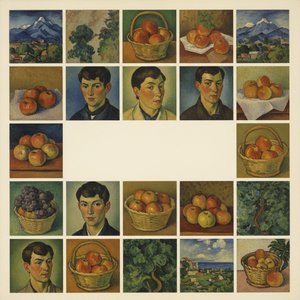
Odkryj 25 arcydzieł Paula Cézanne'a – od impresjonizmu po postimpresjonizm. Poznaj historie, techniki i inspiracje malarza, który zrewolucjonizował sztukę. Reprodukcje obrazów najwyższej jakości na BuyPopArt.com!

Explore the dramatic world of Baroque art! Discover iconic masters like Caravaggio & Rembrandt, their techniques, and the movement's lasting impact. Expert insights for collectors & enthusiasts at BuyPopArt.


Bądź na bieżąco z najnowszymi wiadomościami ze świata sztuki, ekskluzywnymi ofertami i inspiracjami dekoratorskimi.
Opowiedz nam o swoim projekcie, a nasi eksperci przygotują dla Ciebie 3 spersonalizowane propozycje dzieł sztuki.
Przygotujemy dla Ciebie 3 propozycje zupełnie za darmo!


 Podgląd w skali
 Wyślij jako kartkę
 Udostępnij
 Szczegóły dzieła

 Pobierz
 Podobne obiekty
 RTG
RTG Pokaz slajdów
 Rozwiń treść




































 Opcja ze szkłem jest dostępna wyłącznie w rozmiarach poniżej 110 cm


