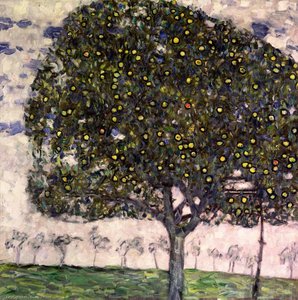
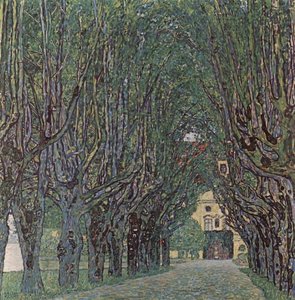
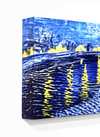
Druk giclée lub płótno o jakości muzealnej z szybką realizacją i szerokim wyborem opcji wykończenia. ( Przejdź do ręcznie malowanego obrazu Przełącz na obraz)
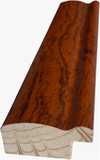
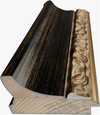
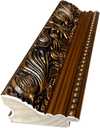
Wybierz spośród naszych predefiniowanych rozmiarów, które zachowują oryginalne proporcje dzieła sztuki.

Możesz wprowadzić własne wymiary, aby dopasować dzieło do konkretnej ramy lub przestrzeni. Jeśli wybrany rozmiar nie będzie odpowiadał proporcjom oryginalnego obrazu, przytniecie dzieło lub rozszerzymy obraz za pomocą odbicia lustrzanego lub jednolitego wypełnienia krawędzi. Przed rozpoczęciem produkcji prześlemy cyfrową wizualizację do Twojej akceptacji.
Prosimy pamiętać, że podgląd na ekranie nie odzwierciedla faktycznego przycinania ani rozszerzania. Tylko wizualizacja dokładnie pokaże końcową kompozycję.
Mimo dostępności niestandardowych rozmiarów, zalecamy wybór wymiaru z listy zdefiniowanej, aby zachować oryginalne proporcje.
Dostawa na cały świat () w ciągu 2 tygodni zamiast standardowych 4/5 tygodni. (31 Lipiec)


Page 1
Wymiary reprodukcji
While seemingly a simple handwritten document, "Page 1," dated 1913, offers a fascinating and unexpected window into the world of Gustav Klimt. This intimate work diverges from his celebrated opulent paintings, yet reveals crucial aspects of his artistic process and intellectual life during a pivotal period.
The artwork presents a close-up view of aged paper densely covered in cursive script. The composition is not one of grand design, but rather an accumulation of names, dates, and annotations – likely related to musical events or performances. This suggests Klimt was meticulously documenting his social engagements, perhaps even inspirations for future works. The sheer volume of text creates a captivating visual texture, a chaotic order that draws the eye across the page.
“Page 1” showcases Klimt’s skill beyond his signature gilded style. Executed in black ink on aged paper, the technique is straightforward – pen and ink calligraphy. However, the *variations* within the cursive script—different sizes, flourishes, and pressures—reveal a personal touch and an immediacy rarely seen in his more polished works. This piece demonstrates Klimt’s foundational training in draftsmanship, harking back to his early days at the Vienna Kunstgewerbeschule.
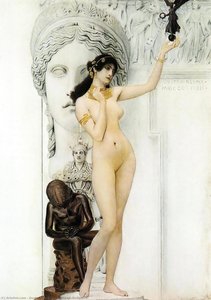
1913 falls within a complex period for Klimt and the Viennese art scene. The height of the Vienna Secession had passed, but its influence remained strong. Klimt was grappling with evolving artistic trends and personal challenges. While known for works like “Pallas Athene” (1898) – a powerful example of Secessionist symbolism – this document suggests a more private, reflective side to the artist. It’s possible these notes relate to performances he attended seeking inspiration or collaborations.
Unlike his allegorical paintings brimming with symbolism, “Page 1” operates on a different level. Its power lies in its authenticity and intimacy. The document isn’t *about* something; it is something – a tangible remnant of Klimt's daily life. The aged paper evokes a sense of history and nostalgia, while the handwritten script feels deeply personal. It invites contemplation on the ephemeral nature of time and memory.
“Page 1” is more than just a document; it's a fragment of Klimt’s world – a testament to his multifaceted talent and enduring legacy.
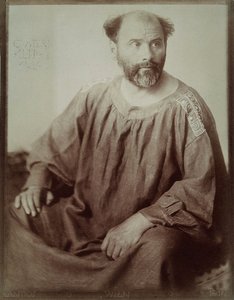
1862 - 1918 , Austria
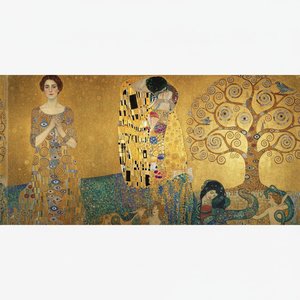
Odkryj 25 arcydzieł Gustava Klimta – od 'Pocałunku' po 'Kobietę w złocie'. Poznaj historię, symbolikę i technikę malarstwa secesyjnego. Reprodukcje najwyższej jakości na BuyPopArt.com! Eksploruj pełną kolekcję online.

Odkryj 10 arcydzieł Secesji! Poznaj historie Muchy, Klimta i innych mistrzów tego wyjątkowego ruchu artystycznego. Inspiracje do wnętrz i reprodukcje najwyższej jakości na BuyPopArt.com. Eksploruj kolekcję online!
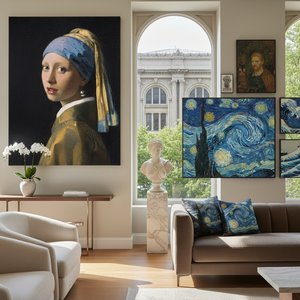
Odkryj 25 arcydzieł Metropolitańskiego Muzeum Sztuki! Van Gogh, Monet, Renoir i inni – historie artystów, techniki i inspiracje dla Twojego wnętrza. Reprodukcje najwyższej jakości na BuyPopArt.com. Eksploruj kolekcję online!

Poznaj historię Secesji Wiedeńskiej – przełomowego ruchu artystycznego fin de siècle. Analiza dzieł Klimta, Olbricha i innych mistrzów. Ekspercka wiedza o ideologii, architekturze i wpływie tego wyjątkowego stylu.

Explore the captivating world of Gustav Klimt with BuyPopArt. Discover his iconic paintings, the Vienna Secession movement, & enduring legacy. High-quality reproductions available.


Bądź na bieżąco z najnowszymi wiadomościami ze świata sztuki, ekskluzywnymi ofertami i inspiracjami dekoratorskimi.
Opowiedz nam o swoim projekcie, a nasi eksperci od sztuki przygotują dla Ciebie 3 spersonalizowane propozycje dzieł sztuki.
Pozwól nam przygotować 3 propozycje specjalnie dla Ciebie – za darmo!


 Podgląd w skali
 Udostępnij
 Udostępnij
 Szczegóły dzieła

 Pobierz
 Podobne obiekty
 RTG
RTG Pokaz slajdów

 Rozwiń treść
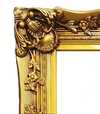
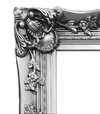
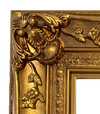
 Opcja szkła jest dostępna wyłącznie w rozmiarach poniżej 110 cm