

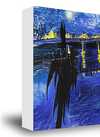
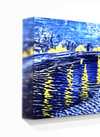
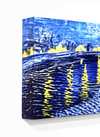
Ręcznie malowany olej na płótnie w Twoim wymiarze i ramie, tworzony na zamówienie przez naszych artystów. ( Switch to Print Switch to Image)
Wybierz spośród naszych predefiniowanych rozmiarów, które zachowują oryginalne proporcje dzieła sztuki.

Możesz wprowadzić własne wymiary, aby dopasować obraz do konkretnej ramy lub przestrzeni. Jeśli wybrany rozmiar nie będzie odpowiadał proporcjom oryginału, przytniecie dzieło sztuki lub rozszerzymy je o dodatkowe elementy, ręcznie domalowane przez artystę. Przed rozpoczęciem produkcji wyślemy projekt cyfrowy do Twojej akceptacji.
Należy pamiętać, że podgląd na ekranie nie odzwierciedla rzeczywistego przycinania ani rozszerzania obrazu. Tylko projekt dokładnie pokaże ostateczną kompozycję.
Choć oferujemy możliwość zamówienia niestandardowych rozmiarów, zalecamy wybór wymiaru z gotowej listy, aby zachować oryginalne proporcje dzieła.
Dostawa na całym świecie () w ciągu 3/4 tygodni zamiast standardowych 5 tygodni. (29 Lipiec). Bez kompromisów w kwestii jakości.


St Ursula
Wymiary reprodukcji
Hendrick Douverman, born in the German town of Kalkar around 1490, remains a figure shrouded in relative obscurity compared to the titans who dominated the artistic landscape of the German Renaissance. Yet, for those who look closely at the devotional art of the mid-16th century, his presence is felt through a profound and meticulous dedication to spiritual narrative. His life and work serve as a window into the intense religious fervor of the era, offering a glimpse into an aesthetic sensibility that sought to bridge the gap between the earthly and the divine through the precision of Northern European craftsmanship.
The formative years of Douverman are largely lost to the passage of time, known only through fragments of guild records in Kalkar. However, the lineage of his talent is clearly traced back to his apprenticeship under Johann Grünewaldt, a master whose name is synonymous with the raw, emotional power of the Isenheim Altarpiece. This connection was foundational; from Grünewaldt, Douverman inherited not only the technical rigor required for complex religious iconography but also a deep-seated commitment to expressive realism. This influence allowed him to move beyond mere decoration, infusing his subjects with a palpable sense of sanctity and human emotion that resonated with the faithful of his time.
Douverman’s artistic legacy is uniquely split between the tactile depth of sculpture and the narrative richness of painting. He possessed a rare ability to manipulate medium to serve theological ends, creating works that functioned as both art and objects of meditation. His sculptural achievements, most notably the breathtaking St Ursula, demonstrate a remarkable command over detail. In this piece, housed in the Kalkar Cathedral, he captures the saint and her companions with a lifelike quality that balances the weight of stone with the lightness of spiritual grace, embodying the very essence of Renaissance realism.
In his paintings, Douverman explored complex biblical genealogies and sacred figures with equal fervor. His interpretations of iconic themes include:
Through these works, Douverman achieved a level of historical significance that transcends his biographical anonymity. He was a master of the devotional gaze, an artist capable of translating the abstract mysteries of faith into tangible, breathtakingly beautiful forms. His contribution to the German Renaissance remains a vital chapter in the history of Northern European art, reminding us of the power of art to act as a silent, enduring witness to the human spirit's search for the eternal.

1490 - 1543 , Germany

Odkryj fascynujący świat malarstwa niderlandzkiego XV i XVI wieku! Poznaj mistrzów realizmu, ich techniki i ukrytą symbolikę. Ekspercka analiza dzieł van Eycka, Weydena i Memlinga na BuyPopArt.

Poznaj fascynujący świat renesansu! Ekspercka analiza humanizmu, sztuki i kulturowej transformacji XIV–XVI wieku. Odkryj dzieła mistrzów i ich trwały wpływ na współczesność.

Odkryj fascynujący świat malarstwa niderlandzkiego XV-XVI wieku! Poznaj geniusz Jana van Eycka i Roberta Campina, pionierów realizmu. Analiza technik, tematów i wpływu na sztukę europejską.

Discover the innovative terracotta glazing techniques of Luca della Robbia, a Renaissance master sculptor. Explore his iconic works, legacy, and collecting tips with BuyPopArt.

Odkryj 10 arcydzieł renesansu, które uosabiają humanizm! Poznaj historie Leonarda da Vinci, Michała Anioła i Rafaela. Inspiracje wnętrzarskie & reprodukcje obrazów najwyższej jakości na BuyPopArt.com. Eksploruj kolekcję online!


Bądź na bieżąco z najnowszymi wiadomościami ze świata sztuki, ekskluzywnymi ofertami i inspiracjami dekoratorskimi.
Opowiedz nam o swoim projekcie, a nasi eksperci od sztuki przygotują dla Ciebie 3 spersonalizowane propozycje dzieł sztuki.
Pozwól nam przygotować 3 propozycje specjalnie dla Ciebie – za darmo!


 Udostępnij
 Udostępnij
 Szczegóły dzieła

 Pobierz
 Podobne obiekty
 Pokaz slajdów


 Rozwiń treść
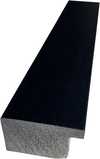
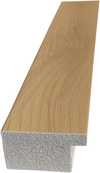
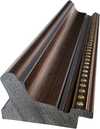
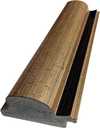
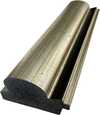
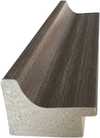
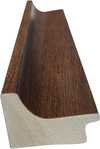
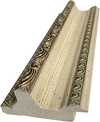
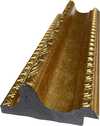
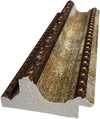
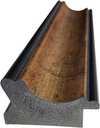
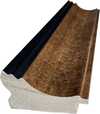
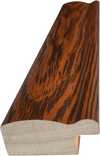
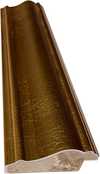
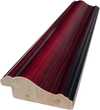
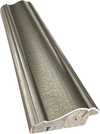
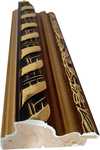
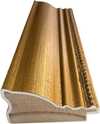
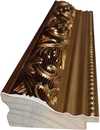
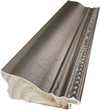
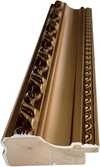
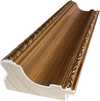
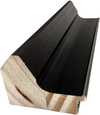
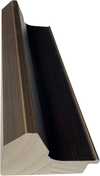
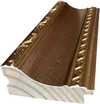
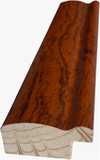
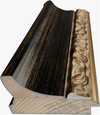
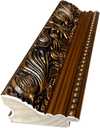
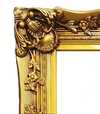
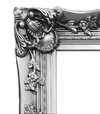
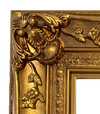
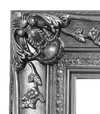
 Opcja szkła jest dostępna wyłącznie w rozmiarach poniżej 110 cm


