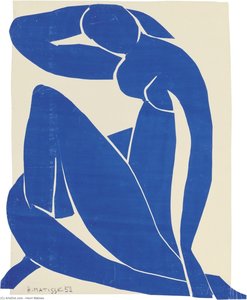
Akryl na płótnieSztuka ściennaFauvism
 1912Modernizm
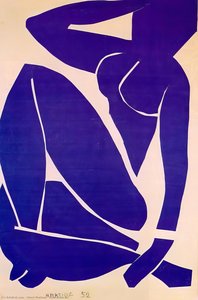
 192.0 x 115.0 cm
Ręcznie malowany obraz olejny na płótnie, wykonany na zamówienie przez naszych artystów w wybranym przez Ciebie wymiarze i oprawie. ( Zamów wydruk Kup obraz wysokiej rozdzielczości)





























Wybierz spośród naszych standardowych rozmiarów, które zachowują oryginalne proporcje dzieła sztuki.

Możesz wprowadzić własne wymiary, aby dopasować obraz do konkretnej ramy lub przestrzeni. Jeśli wybrany rozmiar nie będzie odpowiadał proporcjom oryginału, przytniecie dzieło sztuki lub rozszerzymy je o dodatkowe elementy, ręcznie domalowane przez artystę. Przed rozpoczęciem produkcji wyślemy projekt cyfrowy do Twojej akceptacji.
Należy pamiętać, że podgląd na ekranie nie odzwierciedla rzeczywistego przycinania ani rozszerzania obrazu. Tylko projekt dokładnie pokaże ostateczną kompozycję.
Choć oferujemy możliwość zamówienia niestandardowych rozmiarów, zalecamy wybór wymiaru z gotowej listy, aby zachować oryginalne proporcje dzieła.
Dostawa na całym świecie () w ciągu 3–4 tygodni zamiast standardowych 5 tygodni. (16 Sierpień). Bez kompromisów w kwestii jakości.


Dance
Wymiary reprodukcji
Henri Matisse’s “Dance” (1912) stands as a cornerstone of Fauvist art—a movement that irrevocably altered the course of 20th-century painting. More than just an image, it's an embodiment of liberation and joy, captured with audacious brushstrokes and pigments that defy conventional representation.
Painted during Matisse’s formative years alongside Pablo Picasso, “Dance” reflects the broader artistic currents of its time. Artists were actively rejecting academic conventions in favor of exploring primal emotions and sensations—a reaction against the perceived rigidity of Impressionism. Matisse's fascination with African masks and tribal art profoundly influenced his stylistic choices, injecting a raw energy and expressive freedom into his canvases.
The painting’s composition is deceptively simple yet remarkably effective. A group of nude figures occupies the central space in a swirling circular formation, mirroring the rhythm of dance itself. Matisse employs a masterful juxtaposition of warm hues—primarily reds, oranges, and yellows—against cooler blues and greens—creating visual tension that conveys dynamism and emotional release. The dancer’s poses are deliberately stylized, prioritizing gesture and movement over anatomical accuracy.
Matisse achieved his signature style through a technique characterized by thick impasto – applying paint directly onto the canvas with visible brushstrokes—creating textural surfaces that pulsate with color. This bold approach was revolutionary for its time, prioritizing expressive gesture over meticulous detail. The artist meticulously blended colors to achieve luminous effects and heighten the emotional impact of the scene.
"Dance" wasn’t merely a stylistic outlier; it served as a catalyst for subsequent artistic movements. Its embrace of color and expressive abstraction paved the way for Cubism, Futurism, Surrealism, and numerous other avant-garde explorations. As evidenced by reproductions like “Nasturtiums with \"The Dance\"” (Metropolitan Museum of Art), Matisse’s vision continues to inspire artists and collectors alike—a testament to his enduring contribution to the history of art.
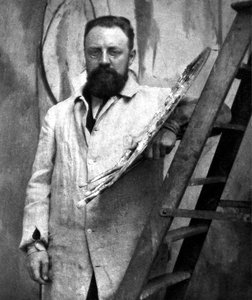
1869 - 1954 , Francja

Explore the vibrant world of Fauvism with our expert guide. Discover how masters like Henri Matisse revolutionized art through bold colors and expressive strokes, defining a movement that continues to inspire collectors and art enthusiasts worldwide.

Elevate your space with bold, iconic dance art. From street art vibes to Pop Art masterpieces, discover high-impact, hand-painted reproductions and custom commissions designed to move you. Transform your walls with the rhythm of contemporary culture.


Bądź na bieżąco z najnowszymi wiadomościami ze świata sztuki, ekskluzywnymi ofertami i inspiracjami dekoratorskimi.
Opowiedz nam o swoim projekcie, a nasi eksperci przygotują dla Ciebie 3 spersonalizowane propozycje dzieł sztuki.
Przygotujemy dla Ciebie 3 propozycje zupełnie za darmo!


 Podgląd w skali
 Wyślij jako kartkę
 Udostępnij
 Szczegóły dzieła

 Pobierz
 Podobne obiekty
 RTG
RTG Pokaz slajdów
 Rozwiń treść







 Opcja ze szkłem jest dostępna wyłącznie w rozmiarach poniżej 110 cm