

 1962
1962 203.0 x 228.0 cm
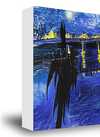
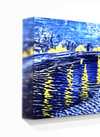
Ręcznie malowany obraz olejny na płótnie, wykonany na zamówienie przez naszych artystów w wybranym przez Ciebie wymiarze i oprawie. ( Przełącz na wydruk Przełącz na obraz)
Wybierz spośród naszych standardowych rozmiarów, które zachowują oryginalne proporcje dzieła sztuki.

Możesz wprowadzić własne wymiary, aby dopasować obraz do konkretnej ramy lub przestrzeni. Jeśli wybrany rozmiar nie będzie odpowiadał proporcjom oryginału, przytniecie dzieło sztuki lub rozszerzymy je o dodatkowe elementy, ręcznie domalowane przez artystę. Przed rozpoczęciem produkcji wyślemy projekt cyfrowy do Twojej akceptacji.
Należy pamiętać, że podgląd na ekranie nie odzwierciedla rzeczywistego przycinania ani rozszerzania obrazu. Tylko projekt dokładnie pokaże ostateczną kompozycję.
Choć oferujemy możliwość zamówienia niestandardowych rozmiarów, zalecamy wybór wymiaru z gotowej listy, aby zachować oryginalne proporcje dzieła.
Dostawa na całym świecie () w ciągu 3–4 tygodni zamiast standardowych 5 tygodni. (4 Sierpień). Bez kompromisów w kwestii jakości.


The Race
Rozmiar reprodukcji
Born in Aix-en-Provence, France, on January 19, 1839, Paul Cézanne remains a pivotal figure in the transition from late 19th-century Impressionism to the burgeoning movements of early 20th-century modern art. His life was one of quiet dedication to his craft, marked by a relentless pursuit of capturing the essence of form and space—a quest that profoundly impacted the course of Western painting. Cézanne’s journey wasn't defined by grand exhibitions or public acclaim; instead, it unfolded through years of painstaking observation, experimentation, and an unwavering belief in the power of art to reveal fundamental truths about the world around us.
Initially influenced by the Impressionist painters like Camille Pissarro and Jean-Charles Champignon, Cézanne’s early works demonstrate a clear engagement with capturing fleeting moments of light and color. However, he soon began to move beyond mere representation, seeking a more enduring structure beneath the surface of his subjects. This shift is evident in paintings such as *The Basket of Apples* (1890-93), where the forms are rendered with a solidity that contrasts sharply with the loose brushwork characteristic of Impressionism. He was particularly fascinated by Mont Sainte-Victoire, the mountain looming over Aix-en-Provence, and spent decades painting it from countless perspectives, using each iteration to explore its geometric structure and the way light interacted with its surfaces.
Cézanne’s artistic philosophy centered on a deep understanding of geometry and perspective. He believed that all objects could be broken down into their fundamental shapes—cubes, cylinders, and cones—and that these forms should be represented with precision and clarity. This approach led him to develop a unique style characterized by flattened planes, simplified contours, and an emphasis on the underlying structure of his subjects. As he famously stated, “I do not paint as I see before me; I paint as I remember.”
His technique involved building up layers of color through small, broken brushstrokes—a method that created a sense of depth and volume without relying on traditional aerial perspective. He often worked *en plein air* (outdoors), meticulously studying the effects of light and shadow on his subjects. This dedication to observation informed his later work, particularly his series of paintings depicting bathers, still lifes, and portraits. His exploration of color was equally revolutionary; he moved away from the purely optical representation favored by Impressionists, using color not just to depict what he saw but also to convey mood and emotion.
Among Cézanne’s most celebrated works are *The Card Players* (1892-98), a series of paintings depicting a rural game of cards, and *The Bathers* (c. 1906-07), which captures a group of figures enjoying a summer afternoon by the sea. These paintings exemplify his commitment to simplifying forms and exploring the relationship between space and color. His work also profoundly influenced later artists such as Pablo Picasso and Georges Braque, who built upon his explorations of form and perspective to develop Cubism.
Beyond Impressionism, Cézanne drew inspiration from various sources, including Renaissance art—particularly the works of Masaccio and Michelangelo—and Japanese prints. He admired the clarity of line and composition in Japanese woodblock prints, which he studied extensively during his travels. The influence of these diverse artistic traditions is evident in his paintings’ careful attention to detail, their balanced compositions, and their exploration of geometric forms.
Paul Cézanne died on October 22, 1906, in Aix-en-Provence. Although he never achieved widespread recognition during his lifetime, his work gradually gained acclaim after his death, establishing him as a central figure in the development of modern art. His innovative approach to painting—his emphasis on form, structure, and color—laid the foundation for many subsequent artistic movements, including Cubism, Fauvism, and Expressionism.
Cézanne’s legacy extends far beyond his individual paintings. He fundamentally altered the way artists approached representation, challenging traditional notions of perspective and realism. His relentless pursuit of truth in art continues to inspire generations of painters today, solidifying his place as one of the most important and influential figures in the history of Western painting.

1906 - 1989 , Lithuania


Bądź na bieżąco z najnowszymi wiadomościami ze świata sztuki, ekskluzywnymi ofertami i inspiracjami dekoratorskimi.
Opowiedz nam o swoim projekcie, a nasi eksperci przygotują dla Ciebie 3 spersonalizowane propozycje dzieł sztuki.
Pozwól nam przygotować 3 propozycje specjalnie dla Ciebie – za darmo!


 Podgląd w skali
 Wyślij
 Udostępnij
 Szczegóły

 Pobierz plik obrazu
 Podobne obiekty
 RTG
RTG Pokaz slajdów
 Czytaj więcej
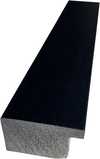
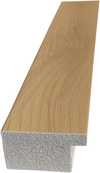
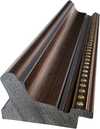
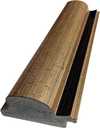
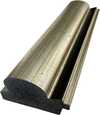
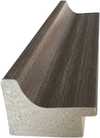
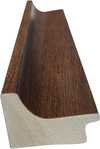
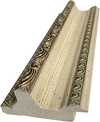
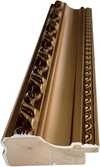
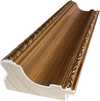
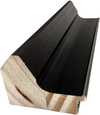
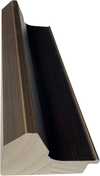
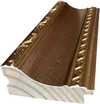
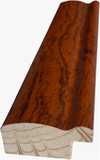
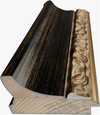
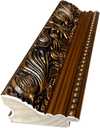
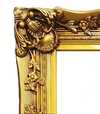
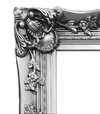
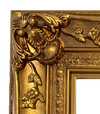
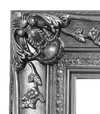
 Opcja ze szkłem jest dostępna wyłącznie w rozmiarach poniżej 110 cm


