

 Acrylic On CanvasWallArtSymbolist Expressionism
 1889Early Medieval
 74.0 x 60.0 cm
 Kimbell Art Museum
Kup wysokiej rozdzielczości, ulepszony obraz cyfrowy o znacznie wyższej jakości niż podgląd online.
Każdy plik jest starannie przygotowywany przez naszych specjalistów przy użyciu zaawansowanych narzędzi oraz profesjonalnej, ręcznej retuszy. Dbamy o to, aby każdy obraz cechował się wyjątkową ostrością, precyzyjnym odwzorowaniem kolorów i subtelnymi detalami.
Ostateczny plik dostarczany jest drogą mailową w ciągu 72 godzin, zoptymalizowany do natychmiastowego wykorzystania w profesjonalnych zastosowaniach redakcyjnych i poligraficznych. To ta sama jakość, której ufają czołowe studia projektowe, wydawnictwa oraz galerie sztuki.
Pobierz plik o wysokiej rozdzielczości do osobistego wyświetlania, druku oraz projektów kreatywnych. ( Kup wydruk Kup ręcznie malowany obraz)
Wybierając BuyPopArt.com, nie otrzymujesz jedynie obrazu – otrzymujesz profesjonalnie udoskonalone cyfrowe dzieło sztuki, stworzone z najwyższą precyzją i objęte gwarancją satysfakcji. Oto wszystko, co automatycznie dołączane jest do Twojego zamówienia:

Plik z obrazem cyfrowym w wysokiej rozdzielczości zostanie przesłany na Twój adres e-mail w ciągu 72 godzin od złożenia zamówienia – gotowy do natychmiastowego użycia.

Twoja grafika została profesjonalnie zoptymalizowana przy użyciu zaawansowanych narzędzi AI oraz ręcznej edycji, co zapewnia maksymalną szczegółowość, klarowność i wierność kolorów.

Przypadkowo usunąłeś lub zgubiłeś swój plik? Bez obaw – prześlemy go Tobie ponownie w dowolnym momencie, bez żadnych opłat.

Ciesz się swoją sztuką natychmiast, bez żadnych opłat celnych, należności ani kosztów dostawy – pliki cyfrowe są zawsze wolne od podatku.

Dzięki zastosowaniu profesjonalnych narzędzi i procesów zarządzania barwą zapewniamy, że Twoje cyfrowe zdjęcie odzwierciedla oryginalne kolory tak wiernie, jak to tylko możliwe.

Jeśli nie będziesz zadowolony ze swojego cyfrowego obrazu, dokonamy jego poprawki lub zwrócimy 100% kosztów w ciągu 60 dni – bez żadnych pytań.

Nie jesteś zadowolony? Otrzymaj pełny zwrot kosztów w ciągu 60 dni od otrzymania pliku cyfrowego – bez zbędnych pytań.

Kup 3 obrazy, oszczędź 10% - Kup 5, oszczędź 15% - Kup 10+, oszczędź 20%. Idealne do projektów kreatywnych, galerii i agencji.
James Ensor's 1889 painting, *Skeletons Warming Themselves*, isn’t merely a depiction of figures around a hearth; it’s a profoundly unsettling meditation on mortality, artistic endeavor, and the lingering echoes of history. Emerging from the artist’s uniquely layered background – his English father and Belgian mother, coupled with a childhood steeped in Ostend's macabre discoveries of skeletal remains – Ensor crafts an image that simultaneously invites contemplation and evokes a chilling unease. The painting possesses a remarkable duality: on one level, it presents a domestic scene, almost banal in its arrangement of skeletons, a palette, brushes, and a violin; yet, beneath this veneer lies a complex web of symbolism and historical reference that demands careful consideration.
Ensor’s masterful manipulation of monochrome creates an atmosphere thick with melancholy. The stark black and white palette emphasizes the skeletal forms, lending them an almost porcelain quality while simultaneously highlighting their vulnerability. Notice how the artist subtly shifts tones – a slight darkening around the edges of the skeletons, suggesting age and decay, contrasts sharply with the brighter areas where they are clustered near the stove. This careful use of value is crucial to the painting’s impact, drawing the viewer's eye across the composition and reinforcing the central theme of transience. The inclusion of the palette and brush isn’t accidental; it directly references Ensor’s own artistic practice, suggesting a cycle of creation and destruction, life and death inextricably linked.
The setting itself is deeply rooted in Ensor's personal history. The stove, inscribed with “Pas de feu” (“No fire”) and followed by “en trouverez vous demain?” (“Will you find any tomorrow?”), immediately evokes a sense of abandonment and uncertainty. This cryptic message resonates with the historical context of Ostend, where human bones were routinely unearthed for centuries – remnants of past conflicts and a constant reminder of mortality. Furthermore, *Skeletons Warming Themselves* aligns itself with the tradition of the “Dance of Death” prints, popular during the medieval and Renaissance periods. These allegorical images frequently depicted skeletons as symbols of universal death, often engaging in satirical commentary on various professions and social classes. Ensor’s work subtly echoes this tradition, transforming the skeletal figures into a group engaged in quiet contemplation – perhaps even a shared ritual of remembrance.
Interestingly, X-radiographs revealed that *Skeletons Warming Themselves* was created over an earlier painting: a bust-length portrait of a young girl. This layering of images speaks volumes about Ensor’s artistic process and his personal circumstances at the time. The decision to rework an existing canvas suggests a period of economic hardship, a common struggle for many artists in late 19th-century Europe. It also hints at a possible desire to move beyond a previous work, perhaps seeking a new direction or grappling with unresolved emotions. The painting becomes not just a visual statement but a window into the artist’s creative journey and his internal landscape.
A hand-painted reproduction of *Skeletons Warming Themselves* offers a unique opportunity to bring this haunting masterpiece into your home. Its evocative imagery, rich symbolism, and historical depth will undoubtedly spark conversation and serve as a poignant reminder of the ephemeral nature of life itself. The meticulous detail captured in the reproduction allows you to appreciate Ensor’s masterful technique and his profound exploration of the human condition – a truly captivating addition to any art collection or interior design scheme.
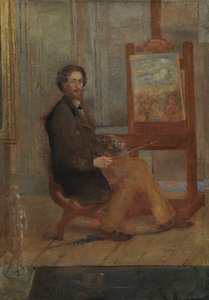
1860 - 1949 , Belgia


Bądź na bieżąco z najnowszymi wiadomościami ze świata sztuki, ekskluzywnymi ofertami i inspiracjami dekoratorskimi.
Opowiedz nam o swoim projekcie, a nasi eksperci przygotują dla Ciebie 3 spersonalizowane propozycje dzieł sztuki.
Przygotujemy dla Ciebie 3 propozycje zupełnie za darmo!


 Podgląd w skali
 Wyślij jako kartkę
 Udostępnij
 Szczegóły dzieła

 Pobierz
 Podobne obiekty
 RTG
RTG Pokaz slajdów
 Rozwiń treść