Zamów wydruk Zamów wydrukKup cyfrowy obraz Kup cyfrowy obraz UdostępnijUdostępnij
Szczegóły dziełaSzczegóły dzieła Dodaj do ulubionych Dodaj do ulubionych PobierzPobierz Podobne obiektyPodobne obiekty RTGRTG Pokaz slajdówPokaz slajdów

Flamingo Capsule

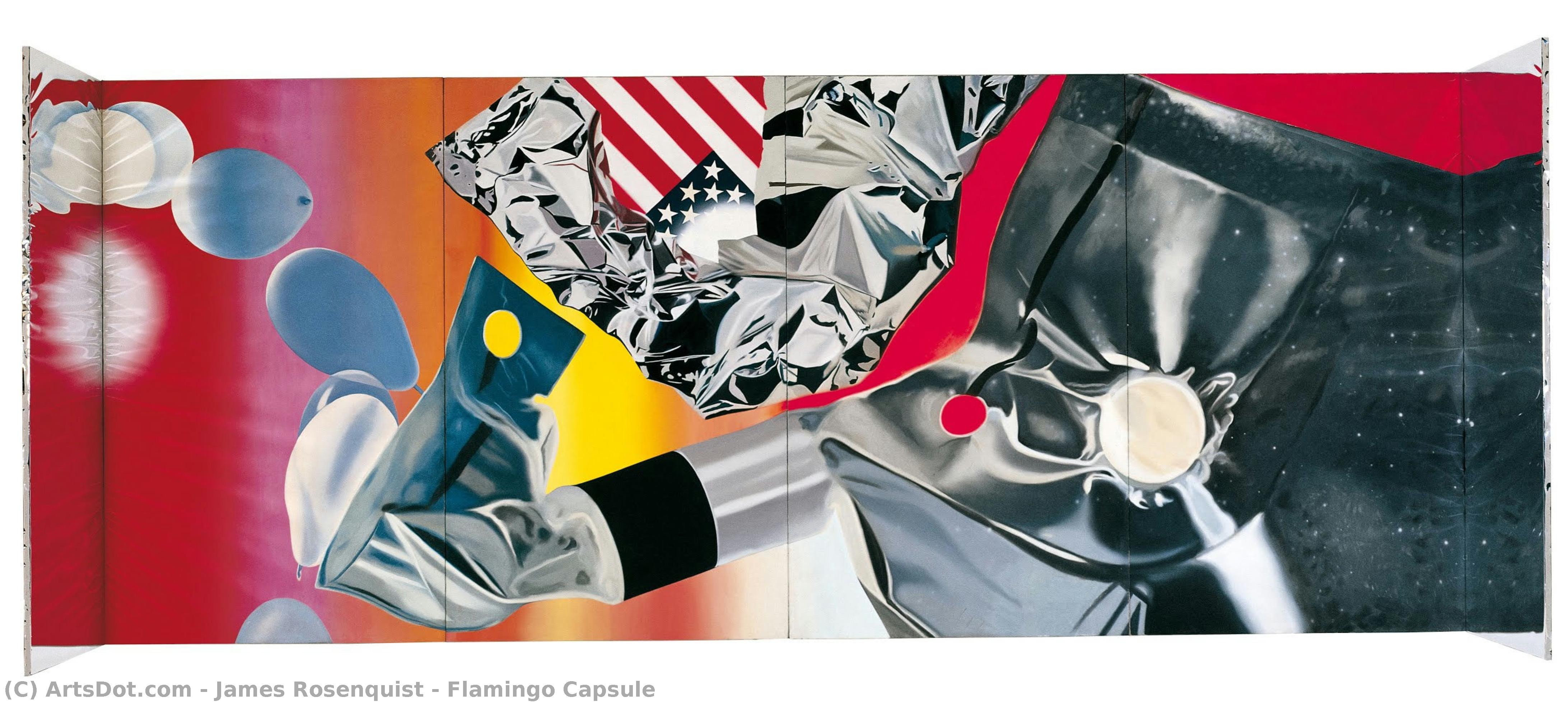
James Rosenquist’s *Flamingo Capsule* (1970) is a striking canvas featuring a flamingo encased in aluminum foil, alongside balloons, a food bag, and a flag uniform. Measuring over 26 meters long, this artwork embodies Pop Art's fascination with technology and space exploration while presenting an enigmatic composition.

James Rosenquist – pionier pop-artu, znany z monumentalnych obrazów łączących reklamy, surrealizm i kulturę amerykańską. Jego dzieła krytykują konsumpcjonizm i stanowią unikalną mieszankę obrazów i kolaży.

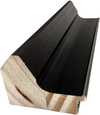
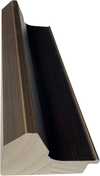
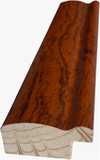
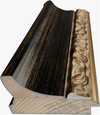
Ręcznie malowana reprodukcja olejowa

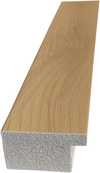
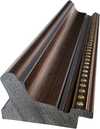
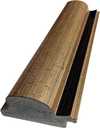
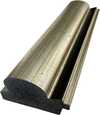
Ręcznie malowany olej na płótnie w Twoim wymiarze i ramie, tworzony na zamówienie przez naszych artystów.
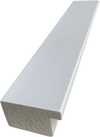
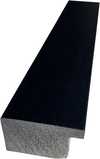
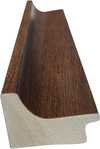
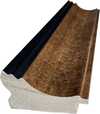
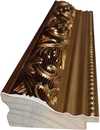
P118B $10
P118H $10
P118W $10
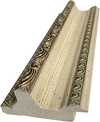
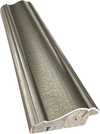
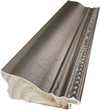
P438Z $10
P508JH $12
P508YH $12
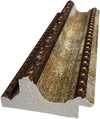
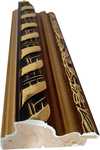
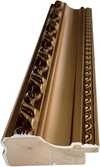
P805H $10
P805Z $10
P919BZ $10
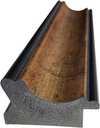
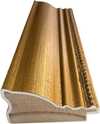
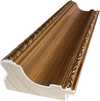
P919G $10
P919XJ $10
P959ZH $10
P968JZ $12
W106C $8
W218G $10
W218JH $8
W218Y $10
W307PJ $10
W316G $10
W316PJ $8
W316Y $10
W398PJ $8
W4111J $10
W500HY $15
W500JH $15
W692G $12
W849H $8
W940BG $15
W953PJ $8

Standard
custom
CM
INCH

Wybierz spośród naszych predefiniowanych rozmiarów, które zachowują oryginalne proporcje dzieła sztuki.

szerokość
wysokość

Możesz wprowadzić własne wymiary, aby dopasować obraz do konkretnej ramy lub przestrzeni. Jeśli wybrany rozmiar nie będzie odpowiadał proporcjom oryginału, przytniecie dzieło sztuki lub rozszerzymy je o dodatkowe elementy, ręcznie domalowane przez artystę. Przed rozpoczęciem produkcji wyślemy projekt cyfrowy do Twojej akceptacji.
Należy pamiętać, że podgląd na ekranie nie odzwierciedla rzeczywistego przycinania ani rozszerzania obrazu. Tylko projekt dokładnie pokaże ostateczną kompozycję.
Choć oferujemy możliwość zamówienia niestandardowych rozmiarów, zalecamy wybór wymiaru z gotowej listy, aby zachować oryginalne proporcje dzieła.

Przykłady możliwych zmian: Zamień twarz na zdjęcie klienta; Dodaj zwierzę domowe (np. zamień kota na psa); Ukryj wiadomość w tle; Zmień krajobraz lub elementy tła.
Po złożeniu zamówienia zespół BuyPopArt.com skontaktuje się z klientem drogą mailową w celu uzyskania instrukcji i prześle wizualizację projektu

Dostawa na całym świecie () w ciągu 3/4 tygodni zamiast standardowych 5 tygodni. (16 Lipiec). Bez kompromisów w kwestii jakości.

why_choose_icon
Bezpłatna ekspresowa wysyłka na cały świat
why_choose_icon
Wysokiej jakości płótno lniane
why_choose_icon
Pełne ubezpieczenie przesyłki
why_choose_icon
Gwarancja zwrotu należności celnych
why_choose_icon
Gwarancja pełnego zgodności kolorystycznej
why_choose_icon
Polityka 60-dniowego zwrotu (tylko w przypadku wad)
why_choose_icon
Gwarancja 100% zwrotu pieniędzy
why_choose_icon
Zniżka przy większych zamówieniach

Suma całkowita

-

reproduction

Flamingo Capsule

Technika reprodukcji

Wymiary reprodukcji

-

Cena całkowita

-

Quiz o sztuce

Na każde pytanie istnieje tylko jedna poprawna odpowiedź.

Pytanie 1:
What artistic movement is James Rosenquist primarily associated with?
Pytanie 2:
The painting *Flamingo Capsule* commemorates a significant event in American history.
Pytanie 3:
What material is used to create the end panels of *Flamingo Capsule*, enhancing its visual impact?
Pytanie 4:
The composition of *Flamingo Capsule* reflects Rosenquist's fascination with:
Pytanie 5:
What is the overall stylistic approach of James Rosenquist?

Opis dzieła

Flamingo Capsule: A Monumental Reflection on Tragedy and Technological Ambition

James Rosenquist’s *Flamingo Capsule*, completed in 1970, stands as a striking testament to the artist's fascination with both the mundane realities of American culture—specifically advertising—and the profound implications of space exploration. Measuring an impressive 290 x 701 x 98.5 cm, this monumental canvas commands attention and invites contemplation on themes of loss, resilience, and the relentless march of progress. Rosenquist’s approach to artmaking was deliberately antithetical to the prevailing Abstract Expressionist movement; he eschewed spontaneity for meticulous planning, employing techniques borrowed from sign painting—a craft rooted in precision and repetition—to create a visual language that simultaneously celebrates and critiques the dominant aesthetic sensibilities of his time.
  • Style: Rosenquist’s work embodies New Realism, rejecting illusionistic representation in favor of fragmented imagery and collage-like compositions. This stylistic choice aligns with his broader interest in blurring the boundaries between art and everyday life, mirroring the pervasive influence of commercial culture on the visual landscape.
  • Technique: The painting utilizes oil paint on canvas combined with aluminized Mylar panels—a material commonly employed in aerospace applications—to achieve a remarkable textural effect. Rosenquist meticulously applied pigment to create layered surfaces that capture subtle variations in color and tone, while the aluminized Mylar adds reflectivity, extending the visual scope of the artwork beyond its physical dimensions.
  • Historical Context: *Flamingo Capsule* emerged during a period marked by intense optimism regarding space exploration following Sputnik’s launch in 1957. Rosenquist deliberately referenced this pivotal moment in history—the tragic Apollo 1 fire—incorporating imagery associated with NASA and the American flag into his composition.
The artwork's visual narrative is characterized by a deliberate juxtaposition of disparate elements: crumpled foil bearing the emblem of the United States Air Force, a distorted food bag, and a balloon drifting upwards against a fiery red and yellow backdrop. These objects are not merely decorative additions; they serve as symbolic representations of various facets of American society—military might, consumerism, and aspiration—all rendered in monumental scale. Rosenquist’s masterful manipulation of perspective and color contributes to the painting's unsettling yet captivating atmosphere, prompting viewers to confront questions about mortality, ambition, and the precariousness of human endeavor. Symbolism: The flamingo itself is a recurring motif in Rosenquist’s oeuvre, representing both beauty and vulnerability—a paradoxical emblem that encapsulates his artistic preoccupation with confronting uncomfortable truths amidst dazzling visual spectacle. The aluminized Mylar panels amplify this duality, reflecting not only the painted surface but also mirroring the viewer's gaze, thereby inviting an active engagement with the artwork’s emotional core. Emotional Impact: *Flamingo Capsule* transcends mere aesthetic appreciation; it compels viewers to contemplate the complexities of human experience—the collision between dreams of grandeur and the inevitability of loss. Rosenquist’s deliberate fragmentation of imagery forces us to confront unsettling realities while simultaneously celebrating the enduring power of artistic innovation. It remains a poignant reminder that even amidst technological advancement, we are fundamentally tethered to our own mortality and burdened by the responsibility to grapple with profound existential questions.
  • Recommended Reproduction Size: For optimal visual impact, consider reproducing *Flamingo Capsule* in a large format—approximately 30 x 60 inches—to capture the painting’s monumental scale and textural richness.
  • Interior Design Considerations: The artwork's bold color palette and dynamic composition lend themselves particularly well to contemporary interior spaces characterized by minimalist aesthetics and geometric forms.
Ultimately, James Rosenquist’s *Flamingo Capsule* stands as a timeless masterpiece—a compelling fusion of artistic vision, technical prowess, and intellectual engagement that continues to resonate with audiences today.

Biografia artysty

James Rosenquist (1933–2017): A Pioneer of Pop Art

James Rosenquist emerged as a pivotal figure in American art, though he often resisted easy categorization—a distinction that cemented his place among the most influential artists of the second half of the 20th century. Born November 29, 1933, in Grand Forks, North Dakota, to Swedish parents Louis and Ruth Rosenquist, James’s upbringing was marked by constant movement as his family pursued employment opportunities wherever they arose. This nomadic experience instilled in him a unique perspective—a sensitivity to the transient nature of imagery and experience that would profoundly shape his artistic vision. His mother, herself a painter, nurtured his early artistic inclinations, recognizing and fostering a talent destined for greatness. A scholarship to the Minneapolis School of Art during junior high school provided initial formal training, followed by studies at the University of Minnesota from 1952 to 1954—a foundation upon which he would build an extraordinary career.
  • Early Life and Artistic Beginnings: Rosenquist’s fascination with art began early in life, fueled by his mother's encouragement and a scholarship that propelled him toward serious artistic pursuits. His childhood memories of flying planes alongside his parents—a legacy passed down through generations—would later resonate within his artwork as he explored themes of movement and displacement.
  • Education at Minneapolis School of Art & University of Minnesota: Rosenquist honed his skills at the Minneapolis School of Art, studying under Edwin Dickinson and George Grosz, absorbing influences from abstract expressionism and gaining invaluable experience in commercial art through summer jobs. These formative years instilled a disciplined approach to craft that would serve him well throughout his artistic journey.
  • The Billboard Years: Rosenquist’s career took an unexpected turn when he joined Artkraft-Strauss, becoming their lead painter and mastering the techniques of large-scale billboard production. This period wasn't merely about earning a living; it was an immersion in the visual language of advertising—a world of bold colors, fragmented imagery, and persuasive power that would become a crucial element of his artistic style.

A Synthesis of Surrealism and Advertising Imagery

Rosenquist’s distinctive artistic style defied easy categorization, blending elements of surrealism with the iconography of advertising—a bold juxtaposition that challenged conventional notions of art and captivated audiences worldwide. He rejected the simplistic imitation of popular culture championed by some contemporaries, opting instead for a more complex exploration of its underlying structures and manipulative tendencies. His canvases became arenas for confronting these contradictions head-on, forcing viewers to question their assumptions about reality and perception.
  • F-111: Rosenquist’s magnum opus, F-111 (1964–65), exemplifies his approach—a monumental painting that combines images of a military aircraft with consumer products, creating a jarring commentary on war, technology, and the American dream.
  • Target II: Similarly, Target II (1965) dissects the imagery of advertising, revealing its underlying structures and manipulative power—a testament to Rosenquist’s intellectual rigor and artistic ambition.

Recognition and Legacy

Rosenquist achieved international acclaim in 1965 with the exhibition featuring F-111 at Leo Castelli Gallery, establishing a long-standing collaboration with the gallery that propelled him to prominence. His work was recognized by critics and fellow artists alike—a validation of his artistic vision and unwavering commitment to experimentation. He continued to produce monumental commissions for public spaces, cementing his place in art history as one of the most innovative and influential figures of the Pop Art movement. Rosenquist’s legacy extends beyond his striking visual style; he challenged conventional boundaries between high and low culture, demonstrating that advertising imagery could be a legitimate subject for artistic exploration—a perspective that continues to resonate with artists today. His influence can be seen in subsequent generations who embraced collage techniques and explored themes of consumerism and cultural commentary.
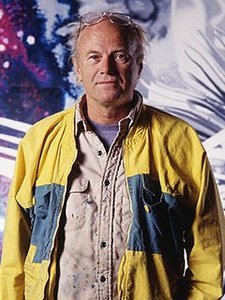
James Rosenquist

James Rosenquist

1933 - 2017 , Stany Zjednoczone

Kluczowe informacje

  • Artistic Movement Or Style: Pop Art
  • Artists Who Influenced This Artist:
    • Edwin Dickinson
    • George Grosz
  • Date Of Birth: 29 listopada 1933
  • Date Of Death: 31 marca 2017
  • Full Name: James Albert Rosenquist
  • Nationality: Amerykański
  • Notable Artworks:
    • F-111
    • Target II
  • Place Of Birth: Grand Forks, Dakota Północna
Odkryj dzieła sztuki uporządkowane według tematów, stylów i cech charakterystycznych.