

 Olej na płótnieSztuka ściennaRomantic Landscape Tradition
 1821XIX wiek
 130.0 x 185.0 cm
 Narodowa Galeria Sztuki
Kup wysokiej rozdzielczości, ulepszony obraz cyfrowy o znacznie wyższej jakości niż podgląd online.
Każdy plik jest starannie przygotowywany przez naszych specjalistów przy użyciu zaawansowanych narzędzi oraz profesjonalnej, ręcznej retuszy. Dbamy o to, aby każdy obraz cechował się wyjątkową ostrością, precyzyjnym odwzorowaniem kolorów i subtelnymi detalami.
Ostateczny plik dostarczany jest drogą mailową w ciągu 72 godzin, zoptymalizowany do natychmiastowego wykorzystania w profesjonalnych zastosowaniach redakcyjnych i poligraficznych. To ta sama jakość, której ufają czołowe studia projektowe, wydawnictwa oraz galerie sztuki.
Pobierz plik o wysokiej rozdzielczości do osobistego wyświetlania, druku oraz projektów kreatywnych. ( Zamów wydruk Zamów ręcznie malowaną reprodukcję)
Wybierając BuyPopArt.com, nie otrzymujesz jedynie obrazu – otrzymujesz profesjonalnie udoskonalone cyfrowe dzieło sztuki, stworzone z najwyższą precyzją i objęte gwarancją satysfakcji. Oto wszystko, co automatycznie dołączane jest do Twojego zamówienia:

Plik z obrazem cyfrowym w wysokiej rozdzielczości zostanie przesłany na Twój adres e-mail w ciągu 72 godzin od złożenia zamówienia – gotowy do natychmiastowego użycia.

Twoja grafika została profesjonalnie zoptymalizowana przy użyciu zaawansowanych narzędzi AI oraz ręcznej edycji, co zapewnia maksymalną szczegółowość, klarowność i wierność kolorów.

Przypadkowo usunąłeś lub zgubiłeś swój plik? Bez obaw – prześlemy go Tobie ponownie w dowolnym momencie, bez żadnych opłat.

Ciesz się swoją sztuką natychmiast, bez żadnych opłat celnych, należności ani kosztów dostawy – pliki cyfrowe są zawsze wolne od podatku.

Dzięki zastosowaniu profesjonalnych narzędzi i procesów zarządzania barwą zapewniamy, że Twoje cyfrowe zdjęcie odzwierciedla oryginalne kolory tak wiernie, jak to tylko możliwe.

Jeśli nie będziesz zadowolony ze swojego cyfrowego obrazu, dokonamy jego poprawki lub zwrócimy 100% kosztów w ciągu 60 dni – bez żadnych pytań.

Nie jesteś zadowolony? Otrzymaj pełny zwrot kosztów w ciągu 60 dni od otrzymania pliku cyfrowego – bez zbędnych pytań.

Kup 3 obrazy, oszczędź 10% - Kup 5, oszczędź 15% - Kup 10+, oszczędź 20%. Idealne do projektów kreatywnych, galerii i agencji.
John Constable’s The Hay Wain, completed in 1821, isn't merely a depiction of a rural scene; it’s a profound evocation of a way of life – a harmonious blend of human activity and the enduring beauty of the English countryside. This painting transcends its subject matter, transporting viewers to the heart of Suffolk, a region that would forever hold a special place in Constable’s artistic soul. It's a work that continues to resonate today, offering a timeless glimpse into a pastoral world imbued with both tranquility and a subtle undercurrent of melancholy.
At first glance, the scene appears deceptively simple: a wooden cart pulled across the River Stour by three horses, nestled against a modest cottage. However, beneath this apparent serenity lies a masterful orchestration of light, color, and atmosphere – hallmarks of Constable’s revolutionary approach to landscape painting. The composition is dominated by a turbulent sky, pregnant with the promise of an approaching storm, its billowing clouds casting dramatic shadows across the fields and water. This dynamic interplay between light and darkness isn't merely decorative; it speaks to the ever-changing moods of nature – a central theme in Constable’s work.
The Hay Wain firmly establishes itself within the Romantic movement, an era characterized by a profound shift in artistic sensibility. Unlike earlier landscape traditions that often idealized nature with carefully constructed vistas and distant mountains, Constable sought to capture the authentic beauty of his native Suffolk – its imperfections, its subtle nuances, and its everyday life. He deliberately rejected the grand, theatrical landscapes favored by some of his contemporaries, instead focusing on the quiet dignity of rural existence. This commitment to truthfulness and emotional resonance marked a pivotal moment in the development of English landscape painting, establishing Constable as a leading figure.
The painting’s historical context is equally significant. Created during a period of rapid social and economic transformation in England – fueled by industrialization – The Hay Wain reflects a growing nostalgia for the simplicity and stability of rural life. As factories rose and cities swelled, artists like Constable turned to the countryside as a source of solace and inspiration, seeking refuge from the anxieties of modernity. The scene before us isn’t simply a record of a place; it's an expression of longing for a lost connection with nature and a simpler way of life.
Constable’s technique is instantly recognizable, characterized by loose, expressive brushwork and a remarkable sensitivity to color. He employed a layering process – building up texture and depth through subtle variations in tone and hue – creating an incredibly rich and dynamic surface. The sky, often considered the focal point of the composition, demonstrates his exceptional ability to capture atmospheric effects; the billowing clouds hint at an impending storm, adding a sense of drama and tension to the otherwise tranquil scene. His use of “broken color” – applying small strokes of contrasting hues side-by-side – creates a shimmering effect, while his impasto technique (thickly applied paint) adds physicality and immediacy to the landscape.
The painting’s palette is dominated by earthy tones—ochres, browns, and greens—but Constable masterfully uses these colors to evoke a sense of depth and atmosphere. The distant elements are rendered in cooler, paler shades, creating an illusion of distance and recession – a technique known as atmospheric perspective. This careful attention to detail, combined with his expressive brushwork, brings the landscape vividly to life, inviting the viewer to step into this idyllic English scene.
Beyond its technical brilliance, The Hay Wain is rich in symbolic meaning. The humble cottage, nestled near the riverbank, represents a simple life connected to the land – a stark contrast to the burgeoning industrial world outside. The cart and horses symbolize labor and transportation, while the approaching storm suggests both potential hardship and renewal. The painting’s overall mood is one of quiet contemplation—a sense of beauty tinged with melancholy, reflecting the bittersweet awareness of nature's power and the fleeting nature of time. It’s a work that invites us to pause, reflect, and appreciate the enduring allure of the English countryside.
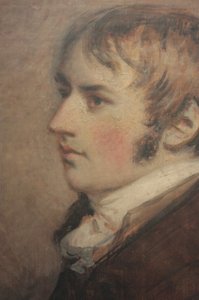
1776 - 1837 , Wielka Brytania


Bądź na bieżąco z najnowszymi wiadomościami ze świata sztuki, ekskluzywnymi ofertami i inspiracjami dekoratorskimi.
Opowiedz nam o swoim projekcie, a nasi eksperci przygotują dla Ciebie 3 spersonalizowane propozycje dzieł sztuki.
Przygotujemy dla Ciebie 3 propozycje zupełnie za darmo!


 Podgląd w skali
 Wyślij jako kartkę
 Udostępnij
 Szczegóły dzieła

 Pobierz
 Podobne obiekty
 RTG
RTG Pokaz slajdów
 Rozwiń treść