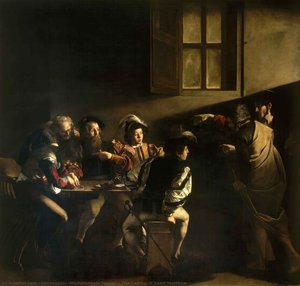
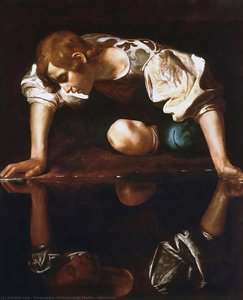
Olej na płótnieSztuka ściennaBaroque
 1606Renesans
 128.0 x 103.0 cm
 Palazzo Rosso
Druk giclée lub płótno o jakości muzealnej, szybka realizacja i szeroki wybór opcji wykończenia. ( Zamów ręcznie malowaną reprodukcję Kup obraz wysokiej rozdzielczości)





























Wybierz spośród naszych standardowych rozmiarów, które zachowują oryginalne proporcje dzieła sztuki.

Możesz wprowadzić własne wymiary, aby dopasować dzieło do konkretnej ramy lub przestrzeni. Jeśli wybrany rozmiar nie będzie odpowiadał proporcjom oryginalnego obrazu, przytniecie dzieło lub rozszerzymy obraz za pomocą odbicia lustrzanego lub jednolitego wypełnienia krawędzi. Przed rozpoczęciem produkcji prześlemy cyfrową wizualizację do Twojej akceptacji.
Prosimy pamiętać, że podgląd na ekranie nie odzwierciedla faktycznego przycinania ani rozszerzania. Tylko wizualizacja dokładnie pokaże końcową kompozycję.
Mimo dostępności niestandardowych rozmiarów, zalecamy wybór wymiaru z listy zdefiniowanej, aby zachować oryginalne proporcje.
Dostawa na cały świat () w ciągu 2 tygodni zamiast standardowych 4/5 tygodni. (17 Sierpień)


Ecce Homo
Wymiary reprodukcji
Michelangelo Merisi da Caravaggio, universally known as Caravaggio (1571–1610), stands as one of the most influential figures in Baroque painting. Born in Milan amidst profound familial loss—his father and grandfather succumbed to plague—Caravaggio’s formative years instilled within him a deep understanding of human vulnerability and resilience—themes that would permeate his artistic vision throughout his career. His early training under Simone Peterzano, a former pupil of Titian, provided him with foundational skills in Renaissance technique while simultaneously nurturing an rebellious spirit destined to shatter prevailing aesthetic conventions.
Rome welcomed Caravaggio around 1592, transforming into the epicenter of his artistic endeavors and marking the genesis of his unparalleled mastery. Despite initial struggles—including a fatal altercation resulting in imprisonment—he rapidly ascended to prominence as a painter, captivating audiences with his dramatic depictions of biblical narratives and human emotion. His workshop became a crucible for innovation, where he honed his distinctive style—characterized by meticulous observation of the human form combined with masterful manipulation of light and shadow—a technique that would revolutionize Baroque art.
The painting’s historical context is inextricably linked to the Counter-Reformation—the Catholic Church’s response to Protestant Reformation—a period marked by fervent piety and a desire for artistic expression that resonated deeply with spiritual convictions. Caravaggio deliberately invoked symbolism—such as the crown of thorns representing Christ's suffering—to provoke contemplation and reaffirm faith amongst viewers.
Beyond its visual splendor, *Ecce Homo* transcends mere representation, offering an enduring meditation on guilt, judgment, and the fraught relationship between humanity and authority. Caravaggio’s genius lies not only in his technical prowess but also in his ability to convey profound psychological truths—a legacy that continues to inspire artists and captivate audiences centuries later. Reproductions of this iconic artwork strive to capture a fraction of its original power, inviting viewers into a dialogue with timeless themes of compassion and moral responsibility.
The Palazzo Bianco in Genoa houses Caravaggio’s *Ecce Homo*, where it stands as testament to the enduring influence of Baroque art. Its placement within this historic building underscores the painting's connection to cultural heritage and its significance as an exemplar of artistic excellence—a masterpiece that continues to provoke discussion and admiration.
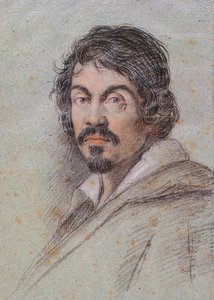
1571 - 1610 , Hiszpania

Explore the profound drama of the Baroque movement. From Caravaggio's chiaroscuro to Gentileschi's emotional realism, discover how light and shadow define art history in this expert guide for collectors and enthusiasts.


Bądź na bieżąco z najnowszymi wiadomościami ze świata sztuki, ekskluzywnymi ofertami i inspiracjami dekoratorskimi.
Opowiedz nam o swoim projekcie, a nasi eksperci przygotują dla Ciebie 3 spersonalizowane propozycje dzieł sztuki.
Przygotujemy dla Ciebie 3 propozycje zupełnie za darmo!


 Podgląd w skali
 Wyślij jako kartkę
 Udostępnij
 Szczegóły dzieła

 Pobierz
 Podobne obiekty
 RTG
RTG Pokaz slajdów
 Rozwiń treść







 Opcja ze szkłem jest dostępna wyłącznie w rozmiarach poniżej 110 cm