Olej na płótnieSztuka ściennaSurrealist Painting
 1975Nowoczesność
 213.0 x 198.0 cm
 Centre Pompidou
Ręcznie malowany obraz olejny na płótnie, wykonany na zamówienie przez naszych artystów w wybranym przez Ciebie wymiarze i oprawie. ( Zamów wydruk Kup obraz wysokiej rozdzielczości)





























Wybierz spośród naszych standardowych rozmiarów, które zachowują oryginalne proporcje dzieła sztuki.

Możesz wprowadzić własne wymiary, aby dopasować obraz do konkretnej ramy lub przestrzeni. Jeśli wybrany rozmiar nie będzie odpowiadał proporcjom oryginału, przytniecie dzieło sztuki lub rozszerzymy je o dodatkowe elementy, ręcznie domalowane przez artystę. Przed rozpoczęciem produkcji wyślemy projekt cyfrowy do Twojej akceptacji.
Należy pamiętać, że podgląd na ekranie nie odzwierciedla rzeczywistego przycinania ani rozszerzania obrazu. Tylko projekt dokładnie pokaże ostateczną kompozycję.
Choć oferujemy możliwość zamówienia niestandardowych rozmiarów, zalecamy wybór wymiaru z gotowej listy, aby zachować oryginalne proporcje dzieła.
Dostawa na całym świecie () w ciągu 3–4 tygodni zamiast standardowych 5 tygodni. (16 Sierpień). Bez kompromisów w kwestii jakości.


Upadek Ikarosa
Wymiary reprodukcji
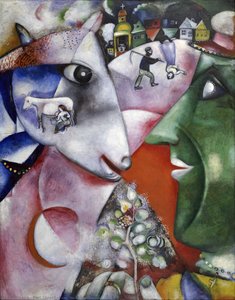
“The Fall of Icarus,” painted in 1975 by Marc Chagall, stands as a testament to the artist's enduring fascination with mythology and his masterful command of surrealist expressionism. More than just a depiction of Greek legend—the tragic tale of Icarus’s ambition exceeding caution—it’s an immersive experience into Chagall’s deeply personal worldview, filtered through the lens of memory and infused with vibrant symbolic resonance.
At first glance, the canvas overwhelms with its sheer scale – 213 x 198 cm – presenting a panorama of figures engaged in seemingly disparate activities. Dominating the upper register is a colossal winged horse soaring against a dramatic sunset sky ablaze with hues of pink, orange, purple and gold—a direct reference to biblical imagery and Chagall’s own Vitebsk landscape memories. Below this celestial spectacle unfolds a densely populated scene featuring individuals clustered around a central structure resembling a building or tent, creating an atmosphere of palpable energy and communal observation.
Chagall's artistic approach transcends conventional realism, embracing the tenets of Surrealism alongside expressive brushstrokes characteristic of Expressionism. Loose, gestural lines define Icarus’s form—a figure caught in a moment of desperate descent—capturing the essence of instability and conveying profound emotional intensity. The artist employs layered watercolor washes to build up texture and depth, mirroring the turbulent emotions underlying the mythic narrative.
The painting’s technique is characterized by thick impasto strokes—heavy application of paint—particularly evident in the wings of Icarus and the surrounding landscape. These textured surfaces contribute to a tactile quality, mirroring the artist's desire to convey physicality and movement. Chagall’s palette explodes with color – predominantly warm reds and oranges juxtaposed against cooler blues and greens – creating a harmonious yet unsettling visual dialogue that amplifies the painting’s dramatic impact.
“The Fall of Icarus” operates on multiple symbolic levels. The winged horse embodies freedom and transcendence, mirroring Chagall's own spiritual aspirations; the figures represent humanity grappling with existential anxieties—yet crucially, they are surrounded by an ocean of supportive faces, suggesting a glimmer of hope amidst despair. Produced during a period marked by artistic experimentation and influenced by Chagall’s formative experiences in Vitebsk – a town steeped in Jewish tradition and Orthodox Christianity – the painting speaks to broader themes of human vulnerability and the enduring power of faith.
Ultimately, “The Fall of Icarus” transcends mere visual representation, inviting contemplation on profound emotional truths. Chagall’s masterful blend of color, texture, and composition evokes feelings of wonder, anxiety, and sublime beauty—a haunting reminder that even in moments of failure, the human spirit retains its capacity for resilience and grace. It's a piece designed to inspire awe and provoke reflection, cementing Chagall’s legacy as one of art’s most evocative interpreters of myth and emotion.
1887 - 1985 , Білорусь

Step into the chaos of your dreams. Discover high-impact Surrealist Expression art, from Dalí-inspired visions to custom hand-painted oil masterpieces. Transform your space with bold, museum-quality textures and contemporary dreamscapes designed for the modern urban collector.


Bądź na bieżąco z najnowszymi wiadomościami ze świata sztuki, ekskluzywnymi ofertami i inspiracjami dekoratorskimi.
Opowiedz nam o swoim projekcie, a nasi eksperci przygotują dla Ciebie 3 spersonalizowane propozycje dzieł sztuki.
Przygotujemy dla Ciebie 3 propozycje zupełnie za darmo!


 Podgląd w skali
 Wyślij jako kartkę
 Udostępnij
 Szczegóły dzieła

 Pobierz
 Podobne obiekty
 RTG
RTG Pokaz slajdów
 Rozwiń treść







 Opcja ze szkłem jest dostępna wyłącznie w rozmiarach poniżej 110 cm