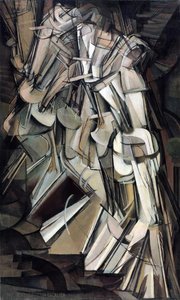
Druk giclée lub płótno o jakości muzealnej, szybka realizacja i szeroki wybór opcji wykończenia. ( Kup ręcznie malowany obraz Kup obraz cyfrowy)





























Wybierz spośród naszych standardowych rozmiarów, które zachowują oryginalne proporcje dzieła sztuki.

Możesz wprowadzić własne wymiary, aby dopasować dzieło do konkretnej ramy lub przestrzeni. Jeśli wybrany rozmiar nie będzie odpowiadał proporcjom oryginalnego obrazu, przytniecie dzieło lub rozszerzymy obraz za pomocą odbicia lustrzanego lub jednolitego wypełnienia krawędzi. Przed rozpoczęciem produkcji prześlemy cyfrową wizualizację do Twojej akceptacji.
Prosimy pamiętać, że podgląd na ekranie nie odzwierciedla faktycznego przycinania ani rozszerzania. Tylko wizualizacja dokładnie pokaże końcową kompozycję.
Mimo dostępności niestandardowych rozmiarów, zalecamy wybór wymiaru z listy zdefiniowanej, aby zachować oryginalne proporcje.
Dostawa na cały świat () w ciągu 2 tygodni zamiast standardowych 4/5 tygodni. (12 Sierpień)


Chessboard (Echiquier)
Wymiary reprodukcji
Marcel Duchamp, a name synonymous with artistic revolution, consistently challenged the very definition of art throughout his prolific career. While celebrated for audacious “readymades” like *Fountain*, a porcelain urinal presented as sculpture, his explorations extended far beyond shock value. ‘Chessboard (Echiquier)’ from around 1937 offers a quieter, yet equally profound glimpse into Duchamp’s intellectual and artistic preoccupations. This isn't merely a depiction of a game; it is an embodiment of the artist’s lifelong fascination with strategy, intellect, and the dematerialization of art itself.
Duchamp’s relationship with chess was far from casual. He didn't simply play the game; he immersed himself in it, even contemplating a professional career as a chess master after largely abandoning painting in the early 1920s. This wasn’t a flight *from* art, but rather a redirection of artistic energy into a realm demanding logic, foresight, and abstract thought – qualities Duchamp increasingly valued over purely aesthetic concerns. ‘Chessboard (Echiquier)’ therefore becomes symbolic of this shift. The worn wood, the missing pieces, suggest not a game in progress, but a contemplation *of* the game, a frozen moment representing endless possibilities and strategic calculations. It’s a visual metaphor for the artist's own creative process: a deliberate arrangement of elements, a calculated disruption of expectations.
The simplicity of ‘Chessboard (Echiquier)’ is deceptive. Duchamp wasn’t interested in virtuoso painting or sculptural skill; his focus lay elsewhere. The work consists of sixty-four wooden squares nailed and glued onto plywood, a deliberately unrefined construction that emphasizes the object's conceptual nature over its aesthetic qualities. This deliberate lack of traditional artistic flourish aligns with Duchamp’s Dadaist principles – a rejection of bourgeois values and conventional artistic standards. By presenting a commonplace object—a chessboard—in an almost rudimentary form, he forces the viewer to question what constitutes art. Is it skill? Beauty? Or simply the artist's intention?
Duchamp’s impact on 20th and 21st-century art is immeasurable. He paved the way for Conceptual Art, Minimalism, and countless other movements that prioritize ideas over execution. ‘Chessboard (Echiquier)’ encapsulates this legacy perfectly. It's a work that doesn't demand to be *looked at* in the traditional sense; it demands to be *thought about*. Its enduring appeal lies not in its visual splendor, but in its ability to provoke questions and challenge assumptions. For collectors and interior designers alike, a reproduction of this piece offers more than just an aesthetic addition—it’s an invitation to engage with a pivotal moment in art history and a testament to the power of intellectual curiosity.

1887 - 1968 , Francja

Master the high-impact world of contemporary abstraction. Discover how bold colors, textures, and modern movements like Abstract Expressionism can transform your space with premium, high-energy art curated for the design-conscious professional.

Dive into the high-energy world of Lyrical Abstraction. Explore how bold colors, fluid motion, and emotional depth define this modern masterpiece movement. Discover iconic artists and learn to bring this vibrant, soulful energy into your contemporary space.

Discover the power of Neo-Abstract art. Explore how bold geometric forms and high-impact visual energy are redefining modern design. Learn to curate sophisticated, high-energy spaces with the latest trends in contemporary abstraction and structural color.


Bądź na bieżąco z najnowszymi wiadomościami ze świata sztuki, ekskluzywnymi ofertami i inspiracjami dekoratorskimi.
Opowiedz nam o swoim projekcie, a nasi eksperci przygotują dla Ciebie 3 spersonalizowane propozycje dzieł sztuki.
Przygotujemy dla Ciebie 3 propozycje zupełnie za darmo!


 Podgląd w skali
 Wyślij jako kartkę
 Udostępnij
 Szczegóły dzieła

 Pobierz
 Podobne obiekty
 RTG
RTG Pokaz slajdów
 Rozwiń treść







 Opcja ze szkłem jest dostępna wyłącznie w rozmiarach poniżej 110 cm