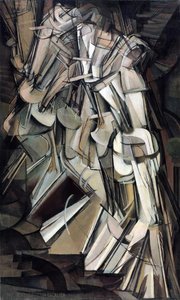
Druk giclée lub płótno o jakości muzealnej, szybka realizacja i szeroki wybór opcji wykończenia. ( Zamów ręcznie malowaną reprodukcję Kup obraz wysokiej rozdzielczości)





























Wybierz spośród naszych standardowych rozmiarów, które zachowują oryginalne proporcje dzieła sztuki.

Możesz wprowadzić własne wymiary, aby dopasować dzieło do konkretnej ramy lub przestrzeni. Jeśli wybrany rozmiar nie będzie odpowiadał proporcjom oryginalnego obrazu, przytniecie dzieło lub rozszerzymy obraz za pomocą odbicia lustrzanego lub jednolitego wypełnienia krawędzi. Przed rozpoczęciem produkcji prześlemy cyfrową wizualizację do Twojej akceptacji.
Prosimy pamiętać, że podgląd na ekranie nie odzwierciedla faktycznego przycinania ani rozszerzania. Tylko wizualizacja dokładnie pokaże końcową kompozycję.
Mimo dostępności niestandardowych rozmiarów, zalecamy wybór wymiaru z listy zdefiniowanej, aby zachować oryginalne proporcje.
Dostawa na cały świat () w ciągu 2 tygodni zamiast standardowych 4/5 tygodni. (15 Sierpień)


Tu m'
Wymiary reprodukcji
Marcel Duchamp (1887-1968) was a French painter, sculptor, chess player, and writer whose work is associated with the Dada movement. Born in Normandy, France, Duchamp spent much of his life traveling between Europe and the United States. He is considered one of the most influential artists of the 20th century, having rejected traditional modes of artistic production in favor of irony, satire, and chance operations. The Dada movement emerged during World War I as a reaction to the horrors of war and the disillusionment with society that followed. It was characterized by nonsensical, provocative works that challenged conventional notions of art, culture, and society. Duchamp's work is emblematic of this revolutionary spirit.
Commissioned by artist, collector, and educator Katherine Dreier in 1918, Tu m' is Marcel Duchamp's last painting on canvas and a prime example of his innovative approach to art. The work measures 27 1/2 × 119 5/16 in. (69.8 × 303 cm) framed, making it an unusual length and frieze-like shape for a painting. This unique format was specifically designed to be hung over a bookcase in Dreier's library. Tu m' combines elements of painting, trompe l'oeil, and readymade objects. The canvas features cast shadows that refer to three "ready-mades": a bicycle wheel, a corkscrew, and a hat rack. Additionally, real objects such as a bottle brush, a bolt, and safety pins are incorporated into the work. These elements challenge traditional notions of painting by merging art and everyday objects, creating a new form of artistic expression.
The title Tu m' is believed to be short for the French "tu m'emmerdes" (you annoy me) or "tu m'ennuies" (you bore me). This sarcastic tone reflects Duchamp's attitude toward painting as he was casting it aside. The work can be seen as a commentary on the futility of traditional art forms, as well as an exploration of new possibilities in artistic expression. Tu m' also features several illusionistic objects, such as a painted hand with a pointed finger in the lower center. These elements contrast with the real objects and cast shadows, creating a dynamic interplay between reality and illusion. The work invites viewers to question their perceptions of art and encourages them to engage with the piece on a deeper level.
Marcel Duchamp's Tu m' is a groundbreaking masterpiece that exemplifies the spirit of the Dada movement. By merging painting, trompe l'oeil, and readymade objects, Duchamp created a new form of artistic expression that challenges conventional notions of art. The work remains an important contribution to modern art and continues to inspire artists today. To learn more about Marcel Duchamp and his other works, visit Marcel Duchamp: Self-Portrait in Profile on BuyPopArt.com. Tu m' is part of the Yale University Art Gallery's collection and can be viewed at Yale University Art Gallery. To learn more about this painting, visit its dedicated page on the museum's website. Tu m' is also featured in MoMA's audio collection: Marcel Duchamp. Tu m'. 1918 | MoMA. This resource provides valuable insights into the work and its historical context. Tu m' is a testament to Marcel Duchamp's innovative spirit and his contribution to modern art. By merging painting, trompe l'oeil, and readymade objects, Duchamp created a new form of artistic expression that continues to inspire artists today.
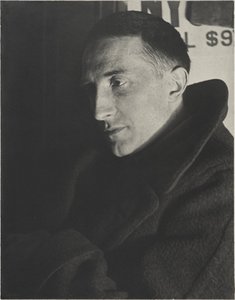
1887 - 1968 , Francja

Dive into the raw rebellion of Dadaism. Explore how this anti-art movement used chaos and nonsense to shatter tradition, paving the way for Surrealism and modern pop culture. Discover the bold spirit that redefined creativity forever.

Embark on a sophisticated journey through the dreamlike world of Surrealism. Discover the profound symbolism of masters like Dalí and learn how to curate evocative, subconscious-inspired masterpieces for your private collection with expert art historical insight.


Bądź na bieżąco z najnowszymi wiadomościami ze świata sztuki, ekskluzywnymi ofertami i inspiracjami dekoratorskimi.
Opowiedz nam o swoim projekcie, a nasi eksperci przygotują dla Ciebie 3 spersonalizowane propozycje dzieł sztuki.
Przygotujemy dla Ciebie 3 propozycje zupełnie za darmo!


 Podgląd w skali
 Wyślij jako kartkę
 Udostępnij
 Szczegóły dzieła

 Pobierz
 Podobne obiekty
 RTG
RTG Pokaz slajdów
 Rozwiń treść







 Opcja ze szkłem jest dostępna wyłącznie w rozmiarach poniżej 110 cm