Druk giclée lub płótno o jakości muzealnej, szybka realizacja i szeroki wybór opcji wykończenia. ( Zamów ręcznie malowaną reprodukcję Kup obraz wysokiej rozdzielczości)





























Wybierz spośród naszych standardowych rozmiarów, które zachowują oryginalne proporcje dzieła sztuki.

Możesz wprowadzić własne wymiary, aby dopasować dzieło do konkretnej ramy lub przestrzeni. Jeśli wybrany rozmiar nie będzie odpowiadał proporcjom oryginalnego obrazu, przytniecie dzieło lub rozszerzymy obraz za pomocą odbicia lustrzanego lub jednolitego wypełnienia krawędzi. Przed rozpoczęciem produkcji prześlemy cyfrową wizualizację do Twojej akceptacji.
Prosimy pamiętać, że podgląd na ekranie nie odzwierciedla faktycznego przycinania ani rozszerzania. Tylko wizualizacja dokładnie pokaże końcową kompozycję.
Mimo dostępności niestandardowych rozmiarów, zalecamy wybór wymiaru z listy zdefiniowanej, aby zachować oryginalne proporcje.
Dostawa na cały świat () w ciągu 2 tygodni zamiast standardowych 4/5 tygodni. (14 Sierpień)


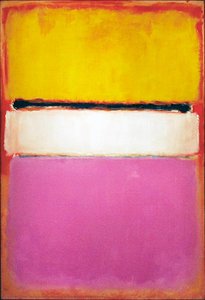
AUTUMN
Wymiary reprodukcji
Mark Rothko's ‘Autumn’ isn’t merely a depiction of the season; it’s an invitation to delve into the artist’s profound contemplation of existence. Created between 1949 and 1950, this monumental canvas embodies the core tenets of Abstract Expressionism—a rejection of representational art in favor of conveying emotion through pure color and form. The painting presents a series of horizontal rectangles of deep blues and whites, arranged with deliberate asymmetry that compels viewers to linger and consider their own responses.
Rothko’s breakthrough came during the Second World War, when he abandoned figurative painting for color field abstraction. Influenced by Piet Mondrian’s geometric compositions and Zen Buddhism—particularly the concept of emptiness—he sought to transcend visual perception altogether. He believed that art should bypass intellect and speak directly to the subconscious mind, triggering visceral feelings rather than cognitive understanding. This philosophical shift profoundly impacted his artistic practice.
The remarkable luminosity of ‘Autumn’ stems from Rothko’s meticulous layering technique. He applied paint in thin washes, building up color gradually over multiple sessions. This process involved diluting pigment with linseed oil and applying it to the canvas using a squeegee—a tool that distributes paint evenly across the surface. The resulting texture is remarkably smooth, almost velvety, yet retains an underlying sense of movement and depth. Rothko’s careful consideration of material properties—particularly the interaction between light and color—elevated his work beyond mere decoration.
The dominant blues in ‘Autumn’ evoke feelings of melancholy and solitude, mirroring Rothko's own struggles with depression during this period. However, the stark white rectangles interspersed among the blues introduce a counterpoint—a suggestion of illumination and aspiration. These rectangles aren’t merely compositional elements; they symbolize the elusive promise of transcendence, hinting at the possibility of finding beauty and meaning amidst darkness. The artist deliberately avoided explicit iconography, allowing viewers to interpret the painting's symbolism on their own terms.
‘Autumn’ remains a powerfully evocative artwork, demonstrating Rothko’s unwavering commitment to exploring the depths of human experience. Its enduring appeal lies in its ability to bypass rational thought and tap into primal emotions—a feat rarely achieved by artists of his time. Today, reproductions of this masterpiece continue to inspire collectors and interior designers alike, offering a glimpse into the artist's visionary worldview and inviting contemplation on themes of loss, beauty, and spiritual yearning.
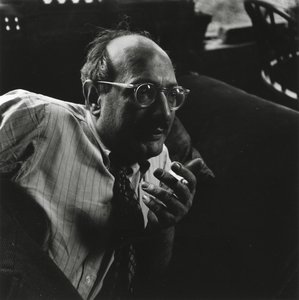
1903 - 1970 , Łotwa

Dive into the high-voltage world of Abstract Expressionism. Explore the raw energy of Action Painting and the legendary masters of the New York School through a visual journey of pure chaos and color. Discover how to bring bold, high-impact abstract art into your modern space.

Master the power of Color Field painting. Discover how bold, immersive color transforms modern spaces through this expert guide to one of art's most impactful movements. Elevate your interior design with high-impact, contemporary abstract aesthetics.


Bądź na bieżąco z najnowszymi wiadomościami ze świata sztuki, ekskluzywnymi ofertami i inspiracjami dekoratorskimi.
Opowiedz nam o swoim projekcie, a nasi eksperci przygotują dla Ciebie 3 spersonalizowane propozycje dzieł sztuki.
Przygotujemy dla Ciebie 3 propozycje zupełnie za darmo!


 Podgląd w skali
 Wyślij jako kartkę
 Udostępnij
 Szczegóły dzieła

 Pobierz
 Podobne obiekty
 RTG
RTG Pokaz slajdów

 Rozwiń treść







 Opcja ze szkłem jest dostępna wyłącznie w rozmiarach poniżej 110 cm