

Kup wysokiej rozdzielczości, ulepszony obraz cyfrowy o znacznie wyższej jakości niż podgląd online.
Każdy plik jest starannie przygotowywany przez naszych specjalistów przy użyciu zaawansowanych narzędzi oraz profesjonalnej, ręcznej retuszy. Dbamy o to, aby każdy obraz cechował się wyjątkową ostrością, precyzyjnym odwzorowaniem kolorów i subtelnymi detalami.
Ostateczny plik dostarczany jest drogą mailową w ciągu 72 godzin, zoptymalizowany do natychmiastowego wykorzystania w profesjonalnych zastosowaniach redakcyjnych i poligraficznych. To ta sama jakość, której ufają czołowe studia projektowe, wydawnictwa oraz galerie sztuki.
Pobierz plik o wysokiej rozdzielczości do osobistego wyświetlania, druku oraz projektów kreatywnych. ( Kup wydruk Kup ręcznie malowany obraz)
Wybierając BuyPopArt.com, nie otrzymujesz jedynie obrazu – otrzymujesz profesjonalnie udoskonalone cyfrowe dzieło sztuki, stworzone z najwyższą precyzją i objęte gwarancją satysfakcji. Oto wszystko, co automatycznie dołączane jest do Twojego zamówienia:

Plik z obrazem cyfrowym w wysokiej rozdzielczości zostanie przesłany na Twój adres e-mail w ciągu 72 godzin od złożenia zamówienia – gotowy do natychmiastowego użycia.

Twoja grafika została profesjonalnie zoptymalizowana przy użyciu zaawansowanych narzędzi AI oraz ręcznej edycji, co zapewnia maksymalną szczegółowość, klarowność i wierność kolorów.

Przypadkowo usunąłeś lub zgubiłeś swój plik? Bez obaw – prześlemy go Tobie ponownie w dowolnym momencie, bez żadnych opłat.

Ciesz się swoją sztuką natychmiast, bez żadnych opłat celnych, należności ani kosztów dostawy – pliki cyfrowe są zawsze wolne od podatku.

Dzięki zastosowaniu profesjonalnych narzędzi i procesów zarządzania barwą zapewniamy, że Twoje cyfrowe zdjęcie odzwierciedla oryginalne kolory tak wiernie, jak to tylko możliwe.

Jeśli nie będziesz zadowolony ze swojego cyfrowego obrazu, dokonamy jego poprawki lub zwrócimy 100% kosztów w ciągu 60 dni – bez żadnych pytań.

Nie jesteś zadowolony? Otrzymaj pełny zwrot kosztów w ciągu 60 dni od otrzymania pliku cyfrowego – bez zbędnych pytań.

Kup 3 obrazy, oszczędź 10% - Kup 5, oszczędź 15% - Kup 10+, oszczędź 20%. Idealne do projektów kreatywnych, galerii i agencji.
Mark Rothko's "Untitled 48" isn’t a painting that demands immediate, literal interpretation. Instead, it invites a prolonged engagement, a quiet contemplation of color and form as they wrestle with fundamental human experiences. Born in 1903 amidst the anxieties of a Jewish family in Latvia—a landscape marked by displacement and political unrest—Rothko carried within him a profound sensitivity to suffering, a theme that would become a recurring motif throughout his career. This early environment instilled a deep awareness of the complexities of existence, shaping his artistic vision long before he began exploring the luminous fields of color that would define his mature style. “Untitled 48” feels like a distillation of this inner world—a visual echo of the emotional turbulence and searching spirit that fueled his creative process.
The work exists as a study, or perhaps an early iteration, of Rothko’s later color field paintings. It's characterized by loose, gestural lines and washes of layered paint, creating a dynamic composition that eschews traditional notions of perspective and focal points. The canvas isn’t dominated by a single image; rather, it presents a dense visual field—a chaotic yet strangely harmonious arrangement of amorphous shapes and muted colors. The horizontal band at the bottom acts as a grounding element, dividing the space while simultaneously suggesting an underlying structure, punctuated by vertical forms that emerge from its base.
Rothko’s palette in “Untitled 48” is deliberately restrained—a symphony of grays, browns, creams, and subtle pinks. These earthy tones are punctuated by flashes of red and blue, creating a delicate balance between warmth and coolness. The application of paint itself is crucial to understanding the work's character. It appears remarkably quick and spontaneous, as if Rothko were driven by an urgent impulse rather than meticulously planned composition. The texture is layered and uneven—a testament to the use of washes and scribbled marks that contribute to a sense of roughness and immediacy. The technique suggests a deliberate rejection of polished surfaces, favoring instead a raw, tactile quality.
Notice how Rothko doesn’t attempt to define the shapes within these color fields; they remain ambiguous, almost dissolving into one another. This lack of precision is intentional—Rothko sought to evoke an emotional response rather than create representational images. The suggestion of facial features – fleeting glimpses of eyes and mouths – adds a layer of psychological complexity, hinting at suppressed emotions or hidden identities. These fragments are not portraits in the traditional sense but rather symbolic representations of the human condition.
“Untitled 48” is often interpreted as an exploration of anxiety, tension, and perhaps even psychological turmoil. The chaotic lines and fragmented forms resonate with a sense of inner conflict—a feeling that Rothko himself experienced throughout his life. His early experiences in Latvia, marked by displacement and loss, undoubtedly informed this emotional landscape. The work can be seen as a visual manifestation of the existential questions he grappled with: mortality, trauma, and the persistent search for meaning in a seemingly indifferent universe. It’s not a comfortable painting; it demands engagement and invites viewers to confront their own anxieties and uncertainties.
Rothko's early work, like "Untitled 48," predates his signature color field paintings, leaning towards Expressionism with its emphasis on gestural marks and subjective expression. The piece’s influence can also be seen in the work of Cindy Sherman, particularly her “Untitled Film Stills” series, which shares a similar interest in exploring identity through fragmented imagery and theatrical presentation. The painting's enduring power lies in its ability to tap into universal human emotions—a testament to Rothko’s profound understanding of the complexities of the inner world.
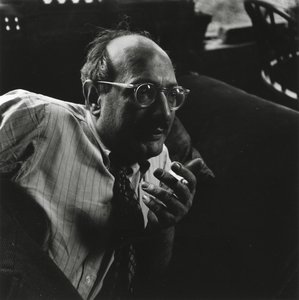
1903 - 1970 , Łotwa


Bądź na bieżąco z najnowszymi wiadomościami ze świata sztuki, ekskluzywnymi ofertami i inspiracjami dekoratorskimi.
Opowiedz nam o swoim projekcie, a nasi eksperci przygotują dla Ciebie 3 spersonalizowane propozycje dzieł sztuki.
Przygotujemy dla Ciebie 3 propozycje zupełnie za darmo!


 Podgląd w skali
 Wyślij jako kartkę
 Udostępnij
 Szczegóły dzieła

 Pobierz
 Podobne obiekty
 RTG
RTG Pokaz slajdów

 Rozwiń treść