
 Oil On CanvasWallArtBaroque Neoclassicism
 1634High Medieval
 1898.0 x 1575.0 cm
 Muzeum Sztuki w Toledo
Druk giclée lub płótno o jakości muzealnej, szybka realizacja i szeroki wybór opcji wykończenia. ( Zamów ręcznie malowaną reprodukcję Kup obraz wysokiej rozdzielczości)





























Wybierz spośród naszych standardowych rozmiarów, które zachowują oryginalne proporcje dzieła sztuki.

Możesz wprowadzić własne wymiary, aby dopasować dzieło do konkretnej ramy lub przestrzeni. Jeśli wybrany rozmiar nie będzie odpowiadał proporcjom oryginalnego obrazu, przytniecie dzieło lub rozszerzymy obraz za pomocą odbicia lustrzanego lub jednolitego wypełnienia krawędzi. Przed rozpoczęciem produkcji prześlemy cyfrową wizualizację do Twojej akceptacji.
Prosimy pamiętać, że podgląd na ekranie nie odzwierciedla faktycznego przycinania ani rozszerzania. Tylko wizualizacja dokładnie pokaże końcową kompozycję.
Mimo dostępności niestandardowych rozmiarów, zalecamy wybór wymiaru z listy zdefiniowanej, aby zachować oryginalne proporcje.
Dostawa na cały świat () w ciągu 2 tygodni zamiast standardowych 4/5 tygodni. (17 Sierpień)


Mars and Venus
Wymiary reprodukcji
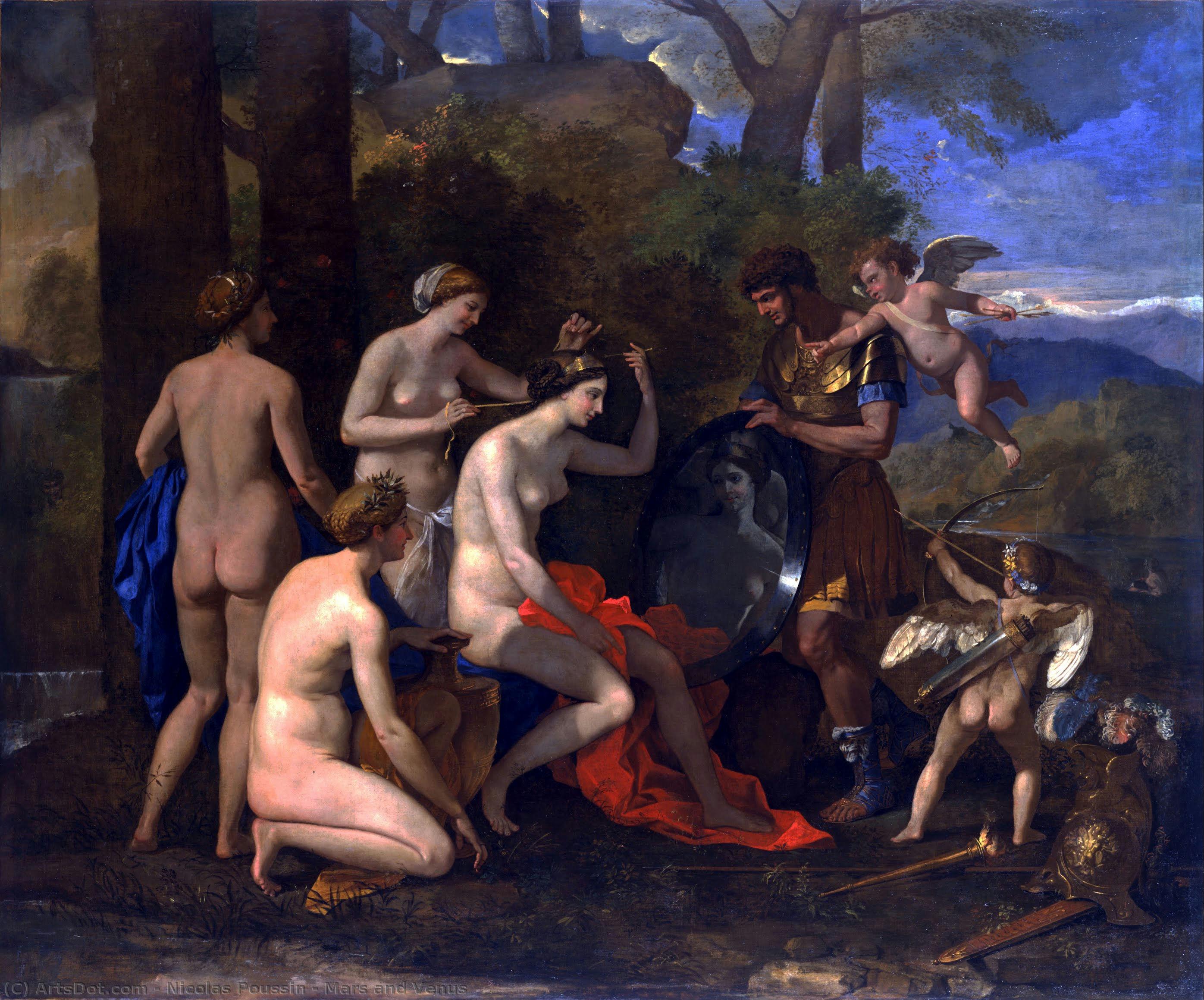
Nicolas Poussin's "Mars and Venus," completed in 1634, isn’t merely a painting; it’s an invitation into a realm of classical mythology rendered with breathtaking serenity and intellectual depth. Now residing within the Toledo Museum of Art, this oil on canvas masterpiece transcends its historical context to resonate powerfully with viewers today. The scene unfolds within a meticulously crafted forest setting – a deliberate choice by Poussin that immediately establishes a sense of timelessness and quiet contemplation. The composition is remarkably balanced, drawing the eye towards the central figures of Mars, the god of war, and Venus, goddess of love, who are not engaged in a violent confrontation as one might expect, but rather exist in a state of almost languid grace.
Poussin’s genius lies not just in his technical skill, but in his profound understanding and deployment of symbolism. The pairing of Mars and Venus is itself laden with meaning – a potent representation of the eternal struggle between opposing forces: war and love, aggression and harmony. Yet, Poussin subtly subverts this traditional dichotomy. Venus isn’t depicted as a passive object of desire; she holds dominion over the scene, radiating an aura of serene power. Mars, while still embodying his warrior identity, is shown relinquishing his weapons – a sword, spear, and helmet are scattered on the ground, suggesting that love possesses the capacity to conquer even the most formidable adversary. The presence of several nude women, some interpreted as angels or goddesses, further amplifies this theme of divine influence and the transformative power of beauty.
Poussin’s technical prowess is immediately evident in the painting's luminous quality. He expertly employs oil on canvas to create a depth of color and texture that feels remarkably tactile. The use of *chiaroscuro* – the dramatic interplay of light and shadow – sculpts the figures, lending them an almost sculptural presence. Notice how Poussin masterfully utilizes atmospheric perspective; distant trees fade into a hazy blue, creating a sense of vastness and reinforcing the painting’s timeless setting. The brushwork itself is remarkably controlled, conveying both movement and stillness simultaneously. This meticulous attention to detail reflects Poussin's deep admiration for classical antiquity, particularly the idealized forms and balanced compositions found in Roman sculpture. He consciously emulated the restraint and clarity of artists like Raphael and Michelangelo, adapting their principles to his own unique vision.
“Mars and Venus” stands as a pivotal work within Poussin’s oeuvre and a cornerstone of Neoclassical art. It exemplifies his ability to distill complex mythological narratives into visually harmonious compositions, prioritizing intellectual clarity and emotional resonance over dramatic spectacle. His interest in classical themes—as evidenced by works like “The Triumph of Neptune” (a detail of which can be found at the Philadelphia Museum of Art) and "Selene and Endymion" (located at the Institute of Arts in Detroit)—established a new standard for artistic representation, influencing generations of artists to come. Today, reproductions of this iconic painting offer a remarkable opportunity to experience Poussin’s genius firsthand, bringing a touch of timeless beauty and profound contemplation into any space. BuyPopArt offers meticulously crafted hand-painted reproductions that faithfully capture the essence of this extraordinary masterpiece.
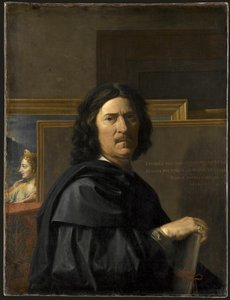
1594 - 1665 , Francja

Explore the life & work of Nicolas Poussin, a master of French Classicism. Discover his allegorical paintings, Roman influences, and enduring impact on art history. Expert analysis & insights.

Poznaj fascynujący świat barokowego klasycyzmu! Analiza ideologii kontrreformacji, syntezy antyku z dramatyzmem oraz mistrzowskich technik malarskich. Ekspercka wiedza o sztuce XVII wieku.

Odkryj fascynującą historię mitów w sztuce Zachodu! Analizujemy wpływ greckich bogów na ikonografię, reinterpretacje klasycznych opowieści i ich obecność we współczesnej kulturze. Ekspercka wiedza dla miłośników sztuki.

Poznaj historię klasycyzmu w sztuce! Odkryj zasady estetyczne, wybitnych artystów i trwały wpływ tego nurtu na architekturę, malarstwo i rzeźbę. Ekspercka analiza i inspiracje od BuyPopArt.

Odkryj świat barokowego przepychu! Porady ekspertów jak wprowadzić elegancję i dramat do Twojego wnętrza. Inspiracje, charakterystyka stylu i praktyczne wskazówki.


Bądź na bieżąco z najnowszymi wiadomościami ze świata sztuki, ekskluzywnymi ofertami i inspiracjami dekoratorskimi.
Opowiedz nam o swoim projekcie, a nasi eksperci przygotują dla Ciebie 3 spersonalizowane propozycje dzieł sztuki.
Przygotujemy dla Ciebie 3 propozycje zupełnie za darmo!


 Podgląd w skali
 Wyślij jako kartkę
 Udostępnij
 Szczegóły dzieła

 Pobierz
 Podobne obiekty
 RTG
RTG Pokaz slajdów
 Rozwiń treść







 Opcja ze szkłem jest dostępna wyłącznie w rozmiarach poniżej 110 cm


