

 Olej na płótnieSztuka ściennaPost-Impressionism
 1890XIX wiek
 21.0 x 20.0 cm
Kup wysokiej rozdzielczości, ulepszony obraz cyfrowy o znacznie wyższej jakości niż podgląd online.
Każdy plik jest starannie przygotowywany przez naszych specjalistów przy użyciu zaawansowanych narzędzi oraz profesjonalnej, ręcznej retuszy. Dbamy o to, aby każdy obraz cechował się wyjątkową ostrością, precyzyjnym odwzorowaniem kolorów i subtelnymi detalami.
Ostateczny plik dostarczany jest drogą mailową w ciągu 72 godzin, zoptymalizowany do natychmiastowego wykorzystania w profesjonalnych zastosowaniach redakcyjnych i poligraficznych. To ta sama jakość, której ufają czołowe studia projektowe, wydawnictwa oraz galerie sztuki.
Pobierz plik o wysokiej rozdzielczości do osobistego wyświetlania, druku oraz projektów kreatywnych. ( Zamów wydruk Przełącz na obraz ręcznie malowany)
Wybierając BuyPopArt.com, nie otrzymujesz jedynie obrazu – otrzymujesz profesjonalnie udoskonalone cyfrowe dzieło sztuki, stworzone z najwyższą precyzją i objęte gwarancją satysfakcji. Oto wszystko, co automatycznie dołączane jest do Twojego zamówienia:

Plik z obrazem cyfrowym w wysokiej rozdzielczości zostanie przesłany na Twój adres e-mail w ciągu 72 godzin od złożenia zamówienia – gotowy do natychmiastowego użycia.

Twoja grafika została profesjonalnie zoptymalizowana przy użyciu zaawansowanych narzędzi AI oraz ręcznej edycji, co zapewnia maksymalną szczegółowość, klarowność i wierność kolorów.

Przypadkowo usunąłeś lub zgubiłeś swój plik? Bez obaw – prześlemy go Tobie ponownie w dowolnym momencie, bez żadnych opłat.

Ciesz się swoją sztuką natychmiast, bez żadnych opłat celnych, należności ani kosztów dostawy – pliki cyfrowe są zawsze wolne od podatku.

Dzięki zastosowaniu profesjonalnych narzędzi i procesów zarządzania barwą zapewniamy, że Twoje cyfrowe zdjęcie odzwierciedla oryginalne kolory tak wiernie, jak to tylko możliwe.

Jeśli nie będziesz zadowolony ze swojego cyfrowego obrazu, dokonamy jego poprawki lub zwrócimy 100% kosztów w ciągu 60 dni – bez żadnych pytań.

Nie jesteś zadowolony? Otrzymaj pełny zwrot kosztów w ciągu 60 dni od otrzymania pliku cyfrowego – bez zbędnych pytań.

Kup 3 obrazy, oszczędź 10% - Kup 5, oszczędź 15% - Kup 10+, oszczędź 20%. Idealne do projektów kreatywnych, galerii i agencji.
Paul Cézanne's "Bathsheba," painted in 1890, is more than just a portrait; it’s a carefully constructed meditation on intimacy, observation, and the very nature of representation. Emerging from the Post-Impressionist movement—a reaction against the fleeting impressions of its predecessor—Cézanne sought to capture not merely what he *saw*, but how he *felt* about what he saw. This painting, housed in private collections, offers a rare glimpse into his evolving artistic vision and his profound engagement with both classical narrative and modern form.
The scene depicts two women seated together before a tree, bathed in the diffused light of an afternoon. The woman on the left is rendered with a remarkable degree of naturalism, her nudity a deliberate choice that invites contemplation about vulnerability and exposure. In contrast, the woman to her right wears a modest dress, creating a visual dialogue between openness and restraint. They are engaged in what appears to be a quiet conversation or perhaps absorbed in shared observation – the details remain deliberately ambiguous, encouraging the viewer to project their own interpretations onto the scene.
Cézanne’s genius lies not just in his subject matter but in his revolutionary approach to painting itself. He moved decisively away from the Impressionist obsession with capturing momentary light and color, instead prioritizing structure and form. Notice how he employs “constructive strokes”—bold, deliberate lines that build up the image like a sculptor working with clay. These strokes create a sense of solidity and permanence, transforming the figures and the tree into geometric forms—a precursor to Cubism. The background is deliberately simplified, almost abstracted, further emphasizing the foreground subjects and their interaction.
The painting’s historical context is crucial to understanding its significance. Cézanne was deeply influenced by classical mythology, particularly the story of Bathsheba, the biblical queen who famously captivated King David. While the specific narrative isn't overtly depicted, the scene evokes a sense of timelessness and quiet dignity reminiscent of ancient depictions of female figures in repose. The inclusion of the bench and book adds another layer of meaning—suggesting a moment of respite, intellectual engagement, or perhaps simply shared companionship. The two birds perched above the woman on the right are subtle details that contribute to the painting’s serene atmosphere, hinting at freedom and connection with nature.
“Bathsheba” is a testament to Cézanne’s ability to imbue a seemingly simple scene with profound emotional resonance. It’s a work that rewards careful observation, inviting viewers to contemplate not only the figures themselves but also the artist’s innovative techniques and his enduring legacy as a pioneer of modern art. Its quiet intimacy and masterful use of form continue to captivate audiences today, solidifying its place as one of Cézanne’s most compelling and influential paintings.
Born in Aix-en-Provence, France, in 1839, Paul Cézanne was a pivotal figure bridging the gap between Impressionism and Cubism. His early works were influenced by Romanticism and the Barbizon school, but he quickly developed a distinctive style characterized by structured compositions, deliberate brushwork, and an exploration of form and color that defied traditional conventions.
Cézanne’s artistic journey was marked by a constant striving for new ways to represent reality. He experimented with perspective, light, and color, pushing the boundaries of painting and laying the groundwork for future generations of avant-garde artists. His work wasn’t always immediately appreciated; he faced criticism for his unconventional approach, but his influence grew steadily over time, eventually shaping the course of modern art.
What distinguishes Cézanne’s paintings is his revolutionary technique—the use of “constructive strokes.” Unlike Impressionists who sought to capture fleeting moments of light, Cézanne meticulously built up forms using bold, deliberate lines. These strokes created a sense of solidity and permanence, transforming the figures and objects in his paintings into geometric shapes.
He often employed a technique called “broken color,” applying small, separate brushstrokes of pure color to create an optical mixture that appeared more vibrant and luminous than simply blending colors together. This approach allowed him to capture the nuances of light and shadow with remarkable precision while simultaneously emphasizing the underlying structure of his subjects.
Paul Cézanne’s influence on modern art is profound and far-reaching. He is considered a forefather of Fauvism and a key precursor to Cubism, with artists like Pablo Picasso drawing direct inspiration from his work. His innovative approach to painting—his emphasis on form, structure, and the manipulation of color—forever changed the way artists perceived and represented the world.
Today, Cézanne’s paintings continue to be admired for their beauty, technical mastery, and enduring emotional resonance. They are studied in art schools around the world and remain a source of inspiration for contemporary artists. Reproductions like this one offer a tangible connection to this remarkable artist and his revolutionary vision.
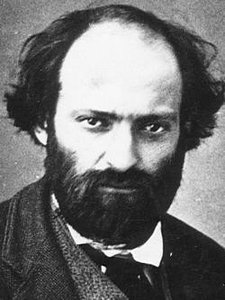
1839 - 1906 , Francja


Bądź na bieżąco z najnowszymi wiadomościami ze świata sztuki, ekskluzywnymi ofertami i inspiracjami dekoratorskimi.
Opowiedz nam o swoim projekcie, a nasi eksperci przygotują dla Ciebie 3 spersonalizowane propozycje dzieł sztuki.
Przygotujemy dla Ciebie 3 propozycje zupełnie za darmo!


 Podgląd w skali
 Wyślij jako kartkę
 Udostępnij
 Szczegóły dzieła

 Pobierz
 Podobne obiekty
 RTG
RTG Pokaz slajdów
 Rozwiń treść