Olej na płótnieSztuka ściennaPost-Impressionism
 1879XIX wiek
 55.0 x 46.0 cm
Druk giclée lub płótno o jakości muzealnej, szybka realizacja i szeroki wybór opcji wykończenia. ( Zamów ręcznie malowaną reprodukcję Przełącz na obraz)





























Wybierz spośród naszych standardowych rozmiarów, które zachowują oryginalne proporcje dzieła sztuki.

Możesz wprowadzić własne wymiary, aby dopasować dzieło do konkretnej ramy lub przestrzeni. Jeśli wybrany rozmiar nie będzie odpowiadał proporcjom oryginalnego obrazu, przytniecie dzieło lub rozszerzymy obraz za pomocą odbicia lustrzanego lub jednolitego wypełnienia krawędzi. Przed rozpoczęciem produkcji prześlemy cyfrową wizualizację do Twojej akceptacji.
Prosimy pamiętać, że podgląd na ekranie nie odzwierciedla faktycznego przycinania ani rozszerzania. Tylko wizualizacja dokładnie pokaże końcową kompozycję.
Mimo dostępności niestandardowych rozmiarów, zalecamy wybór wymiaru z listy zdefiniowanej, aby zachować oryginalne proporcje.
Dostawa na cały świat () w ciągu 2 tygodni zamiast standardowych 4/5 tygodni. (4 Sierpień)


Kobieta Siedząca
Rozmiar reprodukcji
Paul Cézanne’s “Seated Woman,” painted in 1879, is more than just a portrait; it’s an exploration of form, color, and the subtle poetry of everyday life. This work, residing within a private collection, offers a glimpse into the artist's burgeoning style—a pivotal moment where he began to move beyond the fleeting impressions of Impressionism towards his own revolutionary vision that would profoundly influence Cubism. The painting depicts a woman seated before a table, her hands gently folded in her lap. It’s an image of quietude, a captured instant of repose that invites contemplation.
Cézanne wasn't interested in merely replicating what he saw; he sought to understand the underlying structure of objects and translate that understanding onto canvas. In "Seated Woman," this is evident in his approach to form. Rather than rendering the woman with smooth, blended lines, Cézanne utilizes a technique characterized by small, overlapping brushstrokes—a hallmark of his style. These strokes build up layers of color, creating a textured surface and imbuing the painting with a sense of palpable presence. Notice how he breaks down the figure into geometric planes – subtle cubes and cylinders that suggest volume without resorting to traditional shading techniques. The blue tint permeating the scene isn't simply an aesthetic choice; it contributes to the overall mood of introspection, softening the edges and creating a dreamlike quality.
The late 1870s were a period of significant artistic transition. Impressionism had challenged academic conventions with its focus on capturing fleeting moments of light and color. However, Cézanne felt that Impressionism lacked structural solidity. "Seated Woman" embodies this shift. While retaining some elements of Impressionistic color—the subtle gradations in the woman’s blouse, for example—Cézanne moves beyond a purely optical representation. He's not just depicting what he *sees* but also articulating how he *understands* it. This painting foreshadows Cézanne’s later explorations into form and structure, laying the groundwork for the radical innovations of Cubism that would emerge decades later. It represents a crucial bridge between the past and the future of art.
While seemingly simple in its subject matter, "Seated Woman" carries a quiet emotional weight. The woman’s posture—her hands folded, her gaze directed slightly downward—suggests a sense of introspection or perhaps even melancholy. There's an intimacy to the scene; it feels like a private moment captured without intrusion. The carefully arranged table and chairs in the background add to this feeling of domestic tranquility. Cézanne’s deliberate use of color further enhances the emotional impact. The muted blues and greens create a calming atmosphere, while the subtle variations in tone suggest depth and complexity. It's a painting that rewards prolonged viewing, revealing new nuances with each glance—a testament to Cézanne’s mastery of his craft and his ability to imbue even the most ordinary subjects with profound meaning.
“Seated Woman” stands as a powerful example of Cézanne's artistic evolution, showcasing his unique approach to form, color, and composition. Its understated elegance and quiet emotional depth make it an ideal addition to any art collection or interior space seeking a touch of timeless sophistication. The painting’s historical significance—its role in bridging Impressionism and Cubism—further elevates its value as both an artistic treasure and a cultural artifact.
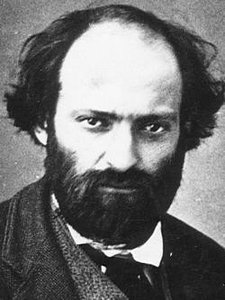
1839 - 1906 , Francja

Explore the profound evolution of art from Impressionism to Post-Impressionism. Discover how masters like Van Gogh revolutionized color and emotion, shaping modern art history through structural innovation and expressive technique.


Bądź na bieżąco z najnowszymi wiadomościami ze świata sztuki, ekskluzywnymi ofertami i inspiracjami dekoratorskimi.
Opowiedz nam o swoim projekcie, a nasi eksperci przygotują dla Ciebie 3 spersonalizowane propozycje dzieł sztuki.
Pozwól nam przygotować 3 propozycje specjalnie dla Ciebie – za darmo!


 Podgląd w skali
 Wyślij
 Udostępnij
 Szczegóły

 Pobierz plik obrazu
 Podobne obiekty
 RTG
RTG Pokaz slajdów
 Czytaj więcej







 Opcja ze szkłem jest dostępna wyłącznie w rozmiarach poniżej 110 cm