Ręcznie malowany obraz olejny na płótnie, wykonany na zamówienie przez naszych artystów w wybranym przez Ciebie wymiarze i oprawie. ( Zamów wydruk Kup obraz wysokiej rozdzielczości)





























Wybierz spośród naszych standardowych rozmiarów, które zachowują oryginalne proporcje dzieła sztuki.

Możesz wprowadzić własne wymiary, aby dopasować obraz do konkretnej ramy lub przestrzeni. Jeśli wybrany rozmiar nie będzie odpowiadał proporcjom oryginału, przytniecie dzieło sztuki lub rozszerzymy je o dodatkowe elementy, ręcznie domalowane przez artystę. Przed rozpoczęciem produkcji wyślemy projekt cyfrowy do Twojej akceptacji.
Należy pamiętać, że podgląd na ekranie nie odzwierciedla rzeczywistego przycinania ani rozszerzania obrazu. Tylko projekt dokładnie pokaże ostateczną kompozycję.
Choć oferujemy możliwość zamówienia niestandardowych rozmiarów, zalecamy wybór wymiaru z gotowej listy, aby zachować oryginalne proporcje dzieła.
Dostawa na całym świecie () w ciągu 3–4 tygodni zamiast standardowych 5 tygodni. (16 Sierpień). Bez kompromisów w kwestii jakości.


Nieruchość
Wymiary reprodukcji
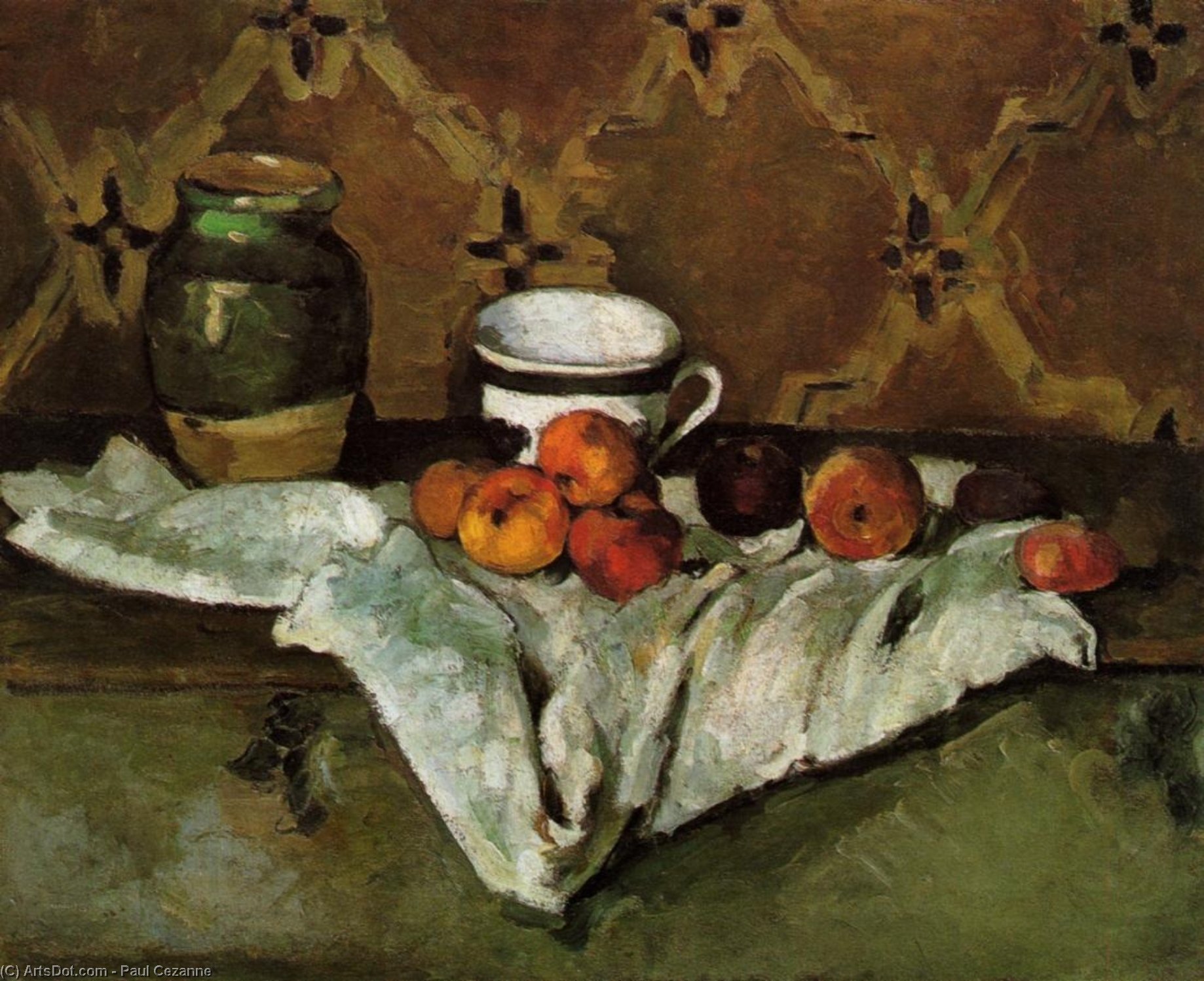
Paul Cézanne’s Still Life, painted in 1877, isn't merely a depiction of fruit and vessels; it’s a pivotal moment in the history of art – a declaration that painting could be more than just a faithful mirror to reality. This work marks a decisive shift away from the fleeting impressions championed by Impressionists like Monet and Renoir towards a deliberate exploration of form, structure, and the very essence of perception. Cézanne wasn’t interested in capturing the *appearance* of things; he sought to represent how they *felt*, how they existed within his mind's eye – a quest for a universal visual language that transcended individual observation.
The scene itself is deceptively simple: a table draped with linen, laden with apples, plums, peaches, and pears, alongside two cups and a vase. Yet, Cézanne’s genius lies in his meticulous approach to rendering these commonplace objects. He eschewed the blending of colors characteristic of Impressionism, instead employing “planes of color” – distinct areas of pigment applied directly to the canvas without mixing. These planes aren't smooth; they possess a palpable texture, conveying the underlying geometry and solidity of each object. Small, precisely placed brushstrokes build these planes layer upon layer, creating an illusion of depth and volume that was revolutionary for its time.
Cézanne’s manipulation of perspective is particularly striking. He deliberately disrupts the traditional linear perspective favored by Renaissance artists, flattening space while retaining a recognizable sense of form. This isn't an accident; it’s a conscious choice to prioritize visual harmony over strict adherence to convention. The colors themselves are not intended as photographic representations of the fruit – they are evocative, imbued with mood and emotion. The dominant earthy hues—greens, browns, and reds—create a warm, tranquil atmosphere reminiscent of the Provençal countryside, suggesting both ripeness and the passage of time. Cézanne’s palette is subtle, relying on tonal variations to suggest volume and depth rather than precise color matching.
Completed in 1877, Still Life stands as a crucial bridge between Impressionism and the burgeoning movements of modern art. It foreshadowed the geometric abstraction championed by artists like Picasso and Braque, demonstrating Cézanne’s profound influence on the development of Cubism. He wasn't simply reacting to Impressionism; he was actively pushing its boundaries, questioning established artistic norms and paving the way for a new visual vocabulary. His unwavering commitment to form—his insistence on representing objects as they *exist* within our perception—resonated deeply with artists seeking to break free from traditional representation.
Beyond its technical innovations, Still Life possesses a quiet emotional resonance. The arrangement of the fruit and vessels feels deliberately balanced, creating a sense of order and serenity. The work invites contemplation – not just of the objects themselves, but of the act of seeing, of perceiving the world around us. It’s a reminder that art can be more than just a representation; it can be an exploration of our own subjective experience. The simplicity of the subject matter allows the viewer to focus on Cézanne's masterful technique and his profound understanding of how color and form interact to create a powerful visual statement.
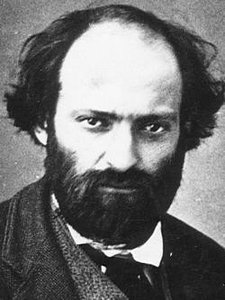
1839 - 1906 , Francja

Explore the profound evolution of art from Impressionism to Post-Impressionism. Discover how masters like Van Gogh revolutionized color and emotion, shaping modern art history through structural innovation and expressive technique.


Bądź na bieżąco z najnowszymi wiadomościami ze świata sztuki, ekskluzywnymi ofertami i inspiracjami dekoratorskimi.
Opowiedz nam o swoim projekcie, a nasi eksperci przygotują dla Ciebie 3 spersonalizowane propozycje dzieł sztuki.
Przygotujemy dla Ciebie 3 propozycje zupełnie za darmo!


 Podgląd w skali
 Wyślij jako kartkę
 Udostępnij
 Szczegóły dzieła

 Pobierz
 Podobne obiekty
 RTG
RTG Pokaz slajdów


 Rozwiń treść







 Opcja ze szkłem jest dostępna wyłącznie w rozmiarach poniżej 110 cm