
x

Druk giclée lub płótno o jakości muzealnej, szybka realizacja i szeroki wybór opcji wykończenia. ( Zamów ręcznie malowaną reprodukcję Kup obraz wysokiej rozdzielczości)





























Wybierz spośród naszych standardowych rozmiarów, które zachowują oryginalne proporcje dzieła sztuki.

Możesz wprowadzić własne wymiary, aby dopasować dzieło do konkretnej ramy lub przestrzeni. Jeśli wybrany rozmiar nie będzie odpowiadał proporcjom oryginalnego obrazu, przytniecie dzieło lub rozszerzymy obraz za pomocą odbicia lustrzanego lub jednolitego wypełnienia krawędzi. Przed rozpoczęciem produkcji prześlemy cyfrową wizualizację do Twojej akceptacji.
Prosimy pamiętać, że podgląd na ekranie nie odzwierciedla faktycznego przycinania ani rozszerzania. Tylko wizualizacja dokładnie pokaże końcową kompozycję.
Mimo dostępności niestandardowych rozmiarów, zalecamy wybór wymiaru z listy zdefiniowanej, aby zachować oryginalne proporcje.
Dostawa na cały świat () w ciągu 2 tygodni zamiast standardowych 4/5 tygodni. (25 Sierpień)


Still Life
Wymiary reprodukcji
Paul Cézanne's "Still Life," painted around 1879, isn’t merely a depiction of objects arranged on a table; it’s a profound exploration of form, space, and the very nature of seeing. This work, often considered a pivotal moment in Cézanne’s artistic evolution, represents a deliberate departure from the prevailing Impressionist techniques while simultaneously building upon their foundations. It's a painting that invites prolonged contemplation, revealing layers of complexity beneath its seemingly simple arrangement of a metal bucket, ceramic bowl, apples, and bottles.
Cézanne’s early influences—Romanticism with its emphasis on emotional intensity and Realism with its commitment to accurate representation—are subtly present. However, he quickly moved beyond these styles, embarking on a rigorous investigation into the underlying structure of his subjects. He meticulously studied the way light interacts with form, how objects appear to exist in three-dimensional space, and how these perceptions can be translated onto a two-dimensional canvas. This pursuit led him to develop a unique pictorial language characterized by flattened planes, broken brushstrokes, and an almost sculptural quality to his compositions.
The arrangement within "Still Life" is deceptively straightforward. A prominent metal bucket anchors the scene, its cylindrical form dominating the central space. Around it, a ceramic bowl holds two apples, their rounded shapes contrasting with the angularity of the bucket. Three bottles—one on the left, one on the right, and one partially obscured behind the other—add further layers of visual interest. Yet, Cézanne doesn’t simply present these objects as they appear; he actively manipulates perspective and form to create an illusion of depth. The table itself is rendered with a subtle recession, drawing the eye into the painting's space.
Notice how Cézanne avoids traditional linear perspective. Instead, he employs overlapping planes and variations in color and tone to suggest spatial relationships. The apples, for instance, are not depicted as sharply defined spheres but rather as slightly flattened forms with subtle gradations of light and shadow. This technique, combined with his broken brushstrokes—short, choppy marks that build up to create texture and volume—creates a sense of dynamism and movement within the still life.
“Still Life” is a cornerstone of Post-Impressionism, a movement characterized by its rejection of Impressionism’s fleeting effects of light and color in favor of more subjective and expressive approaches. Cézanne's work paved the way for Cubism, with its fragmented forms and multiple perspectives, demonstrating a willingness to challenge traditional notions of representation. His emphasis on geometric structure and his exploration of form as an independent entity profoundly influenced artists like Picasso and Braque.
Initially, Cézanne’s radical approach was met with skepticism and ridicule by contemporary critics who found his work “unintelligible” and “ugly.” However, figures like Camille Pissarro and Ambroise Vollard recognized the significance of his innovations and championed his art. In 1895, Vollard organized a solo exhibition in Paris that brought Cézanne to wider recognition, solidifying his place as a pivotal figure in modern art. His legacy continues to resonate today, reminding us of the power of observation, experimentation, and a willingness to break with convention.
BuyPopArt offers meticulously hand-painted reproductions of Paul Cézanne’s “Still Life,” capturing the essence of this iconic work in stunning detail. Our artists replicate Cézanne's distinctive brushwork, rich colors, and nuanced use of light with exceptional skill. Whether you seek a vibrant addition to your art collection or a unique piece for your interior design scheme, our reproductions provide an authentic representation of this groundbreaking masterpiece. Explore the full range of sizes and canvas options available on BuyPopArt.com, and delve deeper into Cézanne’s life and work through the provided links for further research.
Further Resources:
Additional Information:
Learn More:
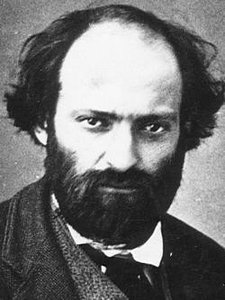
1839 - 1906 , Francja

Explore the profound evolution of art from Impressionism to Post-Impressionism. Discover how masters like Van Gogh revolutionized color and emotion, shaping modern art history through structural innovation and expressive technique.


Bądź na bieżąco z najnowszymi wiadomościami ze świata sztuki, ekskluzywnymi ofertami i inspiracjami dekoratorskimi.
Opowiedz nam o swoim projekcie, a nasi eksperci przygotują dla Ciebie 3 spersonalizowane propozycje dzieł sztuki.
Przygotujemy dla Ciebie 3 propozycje zupełnie za darmo!


 Podgląd w skali
 Wyślij jako kartkę
 Udostępnij
 Szczegóły dzieła

 Pobierz
 Podobne obiekty
 RTG
RTG Pokaz slajdów

 Rozwiń treść







 Opcja ze szkłem jest dostępna wyłącznie w rozmiarach poniżej 110 cm


