Olej na płótnieSztuka ściennaPost-Impressionist Style
 1877XIX wiek
 65.0 x 81.0 cm
 Muzeum Sztuki w Budapeszcie
Ręcznie malowany obraz olejny na płótnie, wykonany na zamówienie przez naszych artystów w wybranym przez Ciebie wymiarze i oprawie. ( Zamów wydruk Kup obraz wysokiej rozdzielczości)





























Wybierz spośród naszych standardowych rozmiarów, które zachowują oryginalne proporcje dzieła sztuki.

Możesz wprowadzić własne wymiary, aby dopasować obraz do konkretnej ramy lub przestrzeni. Jeśli wybrany rozmiar nie będzie odpowiadał proporcjom oryginału, przytniecie dzieło sztuki lub rozszerzymy je o dodatkowe elementy, ręcznie domalowane przez artystę. Przed rozpoczęciem produkcji wyślemy projekt cyfrowy do Twojej akceptacji.
Należy pamiętać, że podgląd na ekranie nie odzwierciedla rzeczywistego przycinania ani rozszerzania obrazu. Tylko projekt dokładnie pokaże ostateczną kompozycję.
Choć oferujemy możliwość zamówienia niestandardowych rozmiarów, zalecamy wybór wymiaru z gotowej listy, aby zachować oryginalne proporcje dzieła.
Dostawa na całym świecie () w ciągu 3–4 tygodni zamiast standardowych 5 tygodni. (15 Sierpień). Bez kompromisów w kwestii jakości.


The Buffet
Wymiary reprodukcji
In the quietude of Paul Cézanne's "The Buffet," painted in 1877, we encounter far more than a mere arrangement of fruit and tableware. This masterpiece serves as a profound testament to a pivotal moment in art history, where the fleeting light of Impressionism began to coalesce into something much more structural and enduring. At first glance, the canvas presents a humble scene: a table laden with oranges, a bottle of wine, and delicate cups set against the domestic backdrop of dining chairs. Yet, beneath this deceptive simplicity lies a defiant assertion that the most commonplace objects can hold immense intellectual and aesthetic weight. For the discerning collector or interior designer, this work offers a sophisticated anchor, bringing a sense of timeless stability and intellectual depth to any curated space.
Cézanne’s journey during this period was one of intense metamorphosis. While he initially drew inspiration from the vibrant, ephemeral palettes of his contemporaries like Monet and Renog, he found himself yearning for a more permanent truth. In "The Buffet," we see the early tremors of his departure from pure Impressionism. Rather than merely capturing the optical sensation of light hitting a surface, Cézanne began to prioritize the sculptural quality of form. He utilized bolder brushstrokes and a deliberate flattening of perspective, techniques that would eventually pave the way for the radical fragmentation of Cubism. This approach transforms the still life into a study of volume and weight, inviting the viewer to appreciate the physical presence of each object.
Every element within this composition has been meticulously placed to achieve a state of visual equilibrium. The oranges, a recurring motif throughout Cézanne's celebrated oeuvre, act as vibrant beacons of color that symbolize fertility, abundance, and the artist's own burgeoning aspirations for success. They provide a rhythmic pulse to the painting, drawing the eye across the tabletop. Beside them, the wine bottle serves as a subtle nod to his camaraderie with the Impressionist circle, representing both a connection to his artistic roots and a symbol of the shared culture of French life. The careful arrangement of the cups and the central bowl creates a sense of architectural stability, a deliberate contrast to the more fluid and unstructured compositions of his peers.
For those seeking to integrate fine art into a modern interior, "The Buffet" offers an unparalleled emotional impact. It possesses a unique ability to command attention through its quiet strength rather than through loud or chaotic imagery. The painting evokes a sense of calm, groundedness, and contemplative luxury. Whether placed in a sunlit breakfast nook or as a focal point in a formal dining room, a high-quality reproduction of this work brings with it the prestige of the Post-Impressionist movement. It is an invitation to slow down, to observe the beauty in the mundane, and to appreciate the enduring power of structured, thoughtful composition.
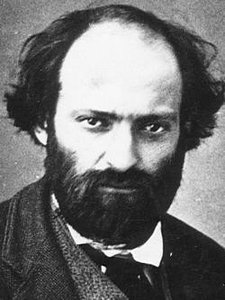
1839 - 1906 , Francja
Odkryj 25 arcydzieł Paula Cézanne'a – od impresjonizmu po postimpresjonizm. Poznaj historie, techniki i inspiracje malarza, który zrewolucjonizował sztukę. Reprodukcje obrazów najwyższej jakości na BuyPopArt.com!

Odkryj 10 arcydzieł impresjonizmu! Poznaj historie Claude Moneta, Degasa i Van Gogha. Reprodukcje obrazów najwyższej jakości – pejzaże pełne światła i koloru do Twojego wnętrza. BuyPopArt.

Odkryj fascynujący świat postimpresjonizmu! Analiza dzieł Van Gogha, Cézanne'a i Gauguina. Poznaj techniki malarskie, symbolikę oraz wpływ tego ruchu na sztukę współczesną. Ekspercka wiedza i inspiracje dla miłośników sztuki.

Elevate your wine cellar or tasting room with curated art! Expert guidance on landscape paintings, symbolism & lighting to enhance the oenological experience. Discover how art transforms spaces and tells your winery's story.

Explore the captivating world of Impressionism! Discover its history, key artists like Monet & Renoir, defining techniques, and lasting impact on modern art. Expert insights for collectors.


Bądź na bieżąco z najnowszymi wiadomościami ze świata sztuki, ekskluzywnymi ofertami i inspiracjami dekoratorskimi.
Opowiedz nam o swoim projekcie, a nasi eksperci przygotują dla Ciebie 3 spersonalizowane propozycje dzieł sztuki.
Przygotujemy dla Ciebie 3 propozycje zupełnie za darmo!


 Podgląd w skali
 Wyślij jako kartkę
 Udostępnij
 Szczegóły dzieła

 Pobierz
 Podobne obiekty
 RTG
RTG Pokaz slajdów
 Rozwiń treść







 Opcja ze szkłem jest dostępna wyłącznie w rozmiarach poniżej 110 cm