Podgląd w skaliPodgląd w skali Zobacz w ARZobacz w AR Zamów ręcznie malowaną reprodukcję Zamów ręcznie malowaną reprodukcjęPrzełącz na obraz Przełącz na obraz WyślijWyślij
SzczegółySzczegóły Dodaj do ulubionych Dodaj do ulubionych Pobierz plik obrazuPobierz plik obrazu Podobne obiektyPodobne obiekty RTGRTG Pokaz slajdówPokaz slajdów

Untitled (4517)

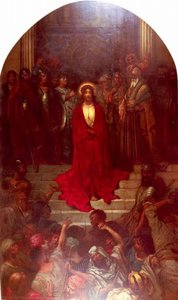
Zaskakująca grafika Doré przedstawiająca kluczowy moment w historii Świątyni Jerozolimskiej. Detaliczny rysunek, monumentalność i głęboka symbolika. Odkryj klasyczne arcydzieło!

Gustave Doré – mistrz ilustracji romantycznych! Jego dramatyczne grafiki z Biblii, Dziwnej podróży i innych dzieł fascynują od lat. Odkryj świat jego niezwykłego talentu!

Giclée / Wydruk artystyczny

Druk giclée lub płótno o jakości muzealnej, szybka realizacja i szeroki wybór opcji wykończenia. (Zamów ręcznie malowaną reprodukcję Zamów ręcznie malowaną reprodukcjęPrzełącz na obraz Przełącz na obraz)

Standard
custom
CM
INCH

Wybierz spośród naszych standardowych rozmiarów, które zachowują oryginalne proporcje dzieła sztuki.

szerokość
wysokość

Możesz wprowadzić własne wymiary, aby dopasować dzieło do konkretnej ramy lub przestrzeni. Jeśli wybrany rozmiar nie będzie odpowiadał proporcjom oryginalnego obrazu, przytniecie dzieło lub rozszerzymy obraz za pomocą odbicia lustrzanego lub jednolitego wypełnienia krawędzi. Przed rozpoczęciem produkcji prześlemy cyfrową wizualizację do Twojej akceptacji.
Prosimy pamiętać, że podgląd na ekranie nie odzwierciedla faktycznego przycinania ani rozszerzania. Tylko wizualizacja dokładnie pokaże końcową kompozycję.
Mimo dostępności niestandardowych rozmiarów, zalecamy wybór wymiaru z listy zdefiniowanej, aby zachować oryginalne proporcje.

Dostawa na cały świat () w ciągu 2 tygodni zamiast standardowych 4/5 tygodni. (5 Sierpień)

why_choose_icon
Bezpłatna ekspresowa wysyłka na cały świat
why_choose_icon
Wysokiej jakości płótno lniane
why_choose_icon
Pełne ubezpieczenie transportowe
why_choose_icon
Gwarancja zwrotu należności celnych i podatków importowych
why_choose_icon
Gwarancja pełnego odwzorowania kolorów
why_choose_icon
Polityka 60-dniowego zwrotu (tylko w przypadku wad)
why_choose_icon
Gwarancja 100% zwrotu pieniędzy
why_choose_icon
Oferta rabatowa przy większych zamówieniach

Cena całkowita

$ 75

reproduction

Untitled (4517)

Giclée / Wydruk artystyczny

Rozmiar reprodukcji

-

Suma do zapłaty

$ 75

Kluczowe informacje

  • Medium: Engraving
  • Notable elements or techniques: Dramatic depth, perspective, geometric shapes, textured surface
  • Artist: Paul Gustave Doré
  • Movement: 19th-century Illustration
  • Influences: Romanticism
  • Subject or theme: Biblical scene (laying cornerstone)

Quiz wiedzy o sztuce

Do każdego pytania dotyczy tylko jedna poprawna odpowiedź.

Pytanie 1:
The engraving "untitled (4517)" primarily depicts:
Pytanie 2:
What technique is most prominently used in the creation of this engraving?
Pytanie 3:
The composition of the engraving emphasizes which figure?
Pytanie 4:
Considering Doré's style and the date of creation (19th century), what artistic movement does "untitled (4517)" most closely align with?
Pytanie 5:
The use of dramatic lighting and shadows in the engraving primarily serves to:

Opis obiektu

Untitled (4517): Echoes of Faith – A Masterpiece by Gustave Doré

Zatopione w cieniach i blasku, „Untitled (4517)” to dzieło Gustawa Doré’ego, monumentalny rysunek przedstawiający kluczowy moment z historii żydowskiej – położenie kamienia zasadniczego świątyni Jerozolimskiej. To nie tylko ilustracja; to dramatyczna scena, w której łączy się wiara, architektura i siła ludzkiej determinacji, a wszystko to uchwycone w niezwykłej precyzji i emocjonalnym przekazie.

Doré, jeden z najbardziej rozpoznawalnych rysowników XIX wieku, stworzył dzieło, które na trwałe wpisało się w historię sztuki. Jego umiejętność oddawania monumentalności, dramatyzmu i głębi emocji jest tu dosłownie oszałamiająca. „Untitled (4517)” to nie tylko obraz; to doświadczenie, które przenosi widza do serca wydarzenia, do momentu, w którym zrodziła się wiara.

Technika Rysunku – Magia Burina i Metal

Kluczem do niezwykłego efektu „Untitled (4517)” jest precyzja i umiejętność Doré’ego w wykorzystaniu techniki rysunku. Używając burina, narzędzia o ostrych krawędziach, on zręcznie wyrywał linie na metalowym blacie – najczęściej miedzianym lub cynkowym – tworząc powierzchnię pełną tekstur i subtelnych odcieni. To nie jest prosty rysunek; to proces wymagający ogromnej cierpliwości, precyzji i kontroli. Różne tony szarości, osiągnięte dzięki tej technice, nie są jedynie kwestią stylu – one aktywnie wnoszą do sceny wymiar trójwymiarowy, wzmacniając iluzję głębi i zapraszając widza do uczestnictwa w wydarzeniu.

Szacuje się, że Doré pracował nad tym rysunkiem przez wiele miesięcy, a nawet lat. Wymagało to nie tylko ogromnego talentu, ale także niezwykłej wytrwałości i precyzji. Każda linia, każdy cień, każdy detal został starannie wyryty, aby oddać pełnię dramatyzmu i monumentalności sceny.

Symbolizm i Kontekst Historyczny

„Untitled (4517)” to nie tylko ilustracja historyczna; jest to również bogate w symbolikę dzieło. Położenie kamienia zasadniczego świątyni Jerozolimskiej reprezentuje interwencję boską, początek nowego okresu i fundament wiary. Uporządkowane formy – bloki, piramidy i postacie ludzi – podkreślają rolę świątyni jako centrum kultu i porządku. Doré, jak wielu artystów tego okresu, odzwierciedlał ducha epoki, w której zainteresowanie biblijnymi tematami było ogromne, a sztuka miała służyć przekazywaniu moralnych i duchowych prawd.

Rysunek powstał w epoce romantyzmu, kiedy to emocje, wyobraźnia i indywidualizm były cenione ponad wszystko. Doré, jako mistrz tego stylu, potrafił oddać zarówno monumentalność wydarzeń, jak i głębokie emocje związane z nimi.

Dramatyczne Światło i Trwałe Wpływy

Wykorzystanie dramatycznego światła, rzucającego ostre cienie, dodatkowo wzmacnia emocjonalny przekaz „Untitled (4517)”. Scena jest naładowana napięciem, a jednocześnie pełna szacunku i wiary. To obraz, który wciąż fascynuje i inspiruje.

Doré’s work has resonated across generations, influencing artists like Vincent van Gogh, who famously recreated “Prisoners’ Round” in oil, demonstrating its enduring power. This reproduction offers an opportunity to own a piece of art history – a tangible connection to one of the most celebrated illustrations of all time, showcasing Doré’s unparalleled skill and vision.


Biografia artysty

A Life Etched in Shadow and Light: The World of Gustave Doré

Paul Gustave Louis Christophe Doré, known to the world as Gustave Doré, was a figure who straddled the worlds of illustration, painting, and sculpture with an astonishing virtuosity. Born in Strasbourg, France, on January 6th, 1832, his life unfolded during a period of immense social and artistic change, a time when Romanticism still held sway but was giving way to new currents of realism and symbolism. Even as a child, Doré displayed a precocious talent, not merely in drawing—which he began at an incredibly young age—but also in a personality that hinted at the dramatic flair which would come to define his work. Stories abound of youthful pranks demonstrating a maturity beyond his years, foreshadowing the complex and often melancholic themes that would permeate his art. He embarked on his professional career remarkably early, at just fifteen years old, as a caricaturist for the French journal *Le Journal pour rire*, honing his skills in observation and composition within the bustling world of Parisian satire.

From Caricature to Literary Giants: The Rise of an Illustrator

Doré’s early commissions laid the foundation for his future renown. Works like *Les Travaux d'Hercule* (1847), *Trois artistes incompris et mécontents* (1851), and *Les Dés-agréments d'un voyage d'agrément* (1851) showcased a burgeoning talent for dynamic composition and a masterful use of light and shadow, even in these relatively modest beginnings. He was deeply influenced by the illustrations of J.J. Grandville, whose fantastical imagery and satirical edge resonated with Doré’s own developing style. However, it was through his collaborations with literary giants that Doré truly ascended to prominence. In 1853, he received a commission to illustrate the works of Lord Byron, an undertaking which opened doors to further prestigious projects. The monumental task of illustrating the Bible followed, a project that would cement his reputation and bring his art before a vast international audience. His illustrations for Cervantes’ *Don Quixote* in the 1860s were particularly impactful, profoundly influencing subsequent interpretations of the characters and narrative. He wasn't merely illustrating these stories; he was reimagining them, imbuing them with a dramatic intensity that captured the imagination of readers worldwide. The oversized edition of Edgar Allan Poe’s “The Raven,” completed in 1883, earned him an impressive 30,000 francs from Harper & Brothers, demonstrating the commercial success alongside the artistic acclaim he had achieved. His collaboration with Blanchard Jerrold on *London: A Pilgrimage* (1872) was a particularly poignant and controversial work, depicting the stark realities of Victorian London’s poverty and sparking debate about social conditions.

A Master of Technique: Wood Engraving and Romantic Vision

Doré's artistic prowess lay not only in his imaginative vision but also in his technical mastery, particularly in wood engraving. He possessed an extraordinary ability to create incredibly detailed and dramatic images through this medium, a skill that allowed for the mass production and widespread dissemination of his work. His compositions are characterized by their dynamism, strong contrasts between light and shadow—a technique known as chiaroscuro—and a sense of grandeur that often evokes a feeling of awe or even terror. He frequently employed a large team of block-cutters to translate his designs into wood engravings, enabling the efficient production needed to meet the demands of publishers and readers alike. His style is firmly rooted in the Romantic tradition, emphasizing emotion, imagination, and the sublime—a fascination with the overwhelming power of nature and the human condition. He wasn’t merely recording scenes; he was interpreting them through a lens of heightened emotionality and dramatic flair. This approach, while celebrated by many, also drew criticism from some contemporaries who found his work overly theatrical or sensationalized.

Notable Works and Lasting Influence

Doré's artistic output spanned a remarkable range of subjects and styles. His illustrations for Dante’s *Inferno* remain perhaps his most enduring achievement, capturing the terrifying beauty and moral complexity of the poem with unparalleled intensity. Similarly, his interpretations of Milton’s *Paradise Lost* are renowned for their grandeur and dramatic flair, transporting viewers to realms of mythic proportions. Beyond these monumental projects, Doré produced countless illustrations for popular literature, including works by Cervantes, Hugo, and Dickens. His depictions of London—particularly *London: A Pilgrimage*—offered a stark and unflinching portrayal of the city’s social inequalities. His work also included series like “Flower Sellers of London,” which powerfully depicted the lives of ordinary people amidst poverty and hardship. Despite facing some criticism during his lifetime—some found his style overly dramatic or lacking in subtlety—Doré's work is now celebrated for its artistic merit and historical importance. His illustrations continue to shape our understanding of classic literature and Victorian society, offering a powerful visual interpretation of timeless stories and enduring themes. He died on January 23rd, 1883, leaving behind an immense body of work that continues to captivate and inspire. *His art remains a testament to the power of illustration to not only depict but also to interpret and transform the world around us.*

Key Figures Influencing Doré

  • J.J. Grandville: Doré admired Grandville's fantastical imagery and satirical edge, which influenced his own approach to illustration.
  • Lord Byron: The commission to illustrate Byron’s works was a pivotal moment in Doré’s career, providing him with significant recognition and experience.

Major Achievements

  • Illustrator of *Don Quixote* (1860-1862) – A monumental achievement that established his reputation as a master illustrator.
  • Illustrator of the Bible (1857-1869) – A vast and ambitious project that showcased his technical skill and dramatic vision.
  • Creator of *London: A Pilgrimage* (1872) – A powerful depiction of Victorian London’s social inequalities.
Gustaw Doro

Gustaw Doro

1832 - 1883 , Francja

Najważniejsze informacje

  • Artistic Movement Or Style: Romantyzm
  • Artists Or Movements Influenced By This Artist: ['Vincent van Gogh']
  • Artists Who Influenced This Artist: ['J.J. Grandville']
  • Date Of Birth: 6 stycznia 1832
  • Date Of Death: 23 stycznia 1883
  • Full Name: Paul Gustave Doré
  • Nationality: Francuz
  • Notable Artworks:
    • Don Kiszot
    • Pająk
    • Londyn: Pielgrzymka
    • Dante Albigenski
  • Place Of Birth: Strasburg, Francja
Odkryj dzieła sztuki uporządkowane według tematów, stylów i cech charakterystycznych.