

 Olej na płótnieSztuka ściennaFigurative Expressionism
 1926Nowoczesność
 36.0 x 39.0 cm
Ręcznie malowany obraz olejny na płótnie, wykonany na zamówienie przez naszych artystów w wybranym przez Ciebie wymiarze i oprawie. ( Zamów wydruk Przełącz na obraz)





























Wybierz spośród naszych standardowych rozmiarów, które zachowują oryginalne proporcje dzieła sztuki.

Możesz wprowadzić własne wymiary, aby dopasować obraz do konkretnej ramy lub przestrzeni. Jeśli wybrany rozmiar nie będzie odpowiadał proporcjom oryginału, przytniecie dzieło sztuki lub rozszerzymy je o dodatkowe elementy, ręcznie domalowane przez artystę. Przed rozpoczęciem produkcji wyślemy projekt cyfrowy do Twojej akceptacji.
Należy pamiętać, że podgląd na ekranie nie odzwierciedla rzeczywistego przycinania ani rozszerzania obrazu. Tylko projekt dokładnie pokaże ostateczną kompozycję.
Choć oferujemy możliwość zamówienia niestandardowych rozmiarów, zalecamy wybór wymiaru z gotowej listy, aby zachować oryginalne proporcje dzieła.
Dostawa na całym świecie () w ciągu 3–4 tygodni zamiast standardowych 5 tygodni. (10 Sierpień). Bez kompromisów w kwestii jakości.


Reconstructing
Wymiary reprodukcji
Paul Klee's "Reconstructing," painted in 1926, isn’t merely a landscape; it’s an invitation to delve into the subconscious, a visual poem exploring themes of memory, reconstruction, and the very nature of perception. This captivating work, housed within the Zentrum Paul Klee in Bern, stands as a cornerstone of Figurative Expressionism – a movement that bravely returned to recognizable forms while simultaneously embracing raw emotion and subjective experience. It’s a piece that whispers stories, inviting viewers to become active participants in its ongoing narrative.
The composition immediately draws the eye into a dreamlike world of geometric shapes and subtly shifting lines. Rather than presenting a clear focal point, Klee orchestrates a network of squares, rectangles, circles, and triangles – architectural fragments, perhaps, or even echoes of buildings lost to time. These forms aren’t rigidly defined; their edges often blur and dissolve into the warm, muted background, creating a sense of fluidity and instability. The overall effect is one of gentle imbalance, as if the scene itself is perpetually in the process of being rebuilt – hence the title, “Reconstructing.” The artist masterfully employs watercolor or a similar translucent medium, layering colors with remarkable delicacy to achieve depth and texture. This technique allows for an almost ethereal quality, as if the forms are suspended within a hazy memory.
“Reconstructing” is deeply rooted in the context of Figurative Expressionism, which emerged in the late 1920s as a reaction against the increasingly abstract trends dominating the art world. Inspired by earlier German Expressionists like Emil Nolde and Ernst Ludwig Kirchner, this movement sought to reconnect with recognizable subjects – particularly the human form – but imbued them with intense emotional resonance. Klee’s work exemplifies this perfectly; he wasn't simply depicting a scene; he was conveying an underlying feeling, a sense of longing or perhaps even disorientation. The painting reflects a broader cultural shift after the devastation of World War I and the subsequent disillusionment with rationalism – a desire to reclaim personal experience and emotional truth.
Klee’s approach went beyond mere emotional expression, however. He possessed an intellectual curiosity about form and design, exploring their underlying structures in a way that anticipated later developments in abstract art. His unique blend of Expressionism, Cubism (evident in the fragmented forms), and Surrealism creates a truly distinctive visual language – one characterized by playful color combinations, dreamlike imagery, and symbolic content.
The painting’s palette is dominated by warm tones—primarily yellows, oranges, and reds—softened by an underlying cream or beige. These colors aren't applied uniformly; instead, they blend and overlap in subtle gradations, creating a sense of atmospheric depth and tranquility. The use of muted hues contributes to the overall feeling of introspection and memory. Klee’s masterful control of line is equally important. He employs a variety of lines—straight, curved, broken—to define forms and create visual interest. These lines aren't rigid or assertive; they often curve and overlap, suggesting movement and fluidity.
The shapes themselves are laden with symbolism. The large circular form in the upper center acts as a visual anchor, perhaps representing wholeness or a central point of memory. The fragmented architecture could be interpreted as remnants of lost buildings, symbolizing forgotten experiences or shattered relationships. Ultimately, “Reconstructing” invites viewers to project their own memories and emotions onto its surface – it’s a painting that speaks to the human condition through its evocative imagery.
BuyPopArt offers meticulously crafted hand-painted reproductions of Paul Klee's "Reconstructing," allowing you to bring this extraordinary artwork into your home or office. Our skilled artists faithfully recreate Klee’s unique style, capturing the painting’s dreamlike quality and emotional depth with exceptional detail. Whether you are an art enthusiast, a collector, or simply seeking a piece of art that sparks conversation and contemplation, our reproductions provide a beautiful and authentic way to experience this iconic work. Explore our selection today and discover the perfect addition to your collection.
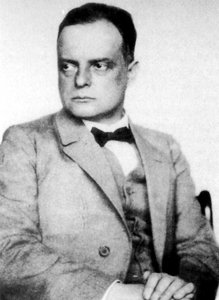
1879 - 1940 , Szwajcaria
Odkryj 25 arcydzieł Wassily Kandinskiego – pioniera abstrakcji i ekspresjonizmu! Poznaj historie, techniki i emocje kryjące się za jego kolorowymi kompozycjami. Reprodukcje obrazów najwyższej jakości na BuyPopArt.com. Eksploruj pełną kolekcję online!

Explore the revolutionary art of Jackson Pollock & Abstract Expressionism. Discover his iconic drip paintings, lasting impact, and considerations for collecting this pivotal American artist. Expert insights at BuyPopArt.

Odkryj fascynujący świat orfizmu! Poznaj historię Roberta i Sonii Delaunay, teoretyczne podstawy tego ruchu oraz jego wpływ na sztukę XX wieku. Ekskluzywny artykuł dla miłośników sztuki nowoczesnej.
Explore the captivating world of Beatrice Parsons, a pioneering British abstract expressionist. Discover her journey from garden watercolors to evocative color field paintings and learn about her place within art history.
Poznaj fascynujący świat ekspresjonizmu abstrakcyjnego! Analiza kluczowych artystów, nurtów i wpływu na współczesną sztukę. Ekskluzywne informacje dla kolekcjonerów i miłośników.


Bądź na bieżąco z najnowszymi wiadomościami ze świata sztuki, ekskluzywnymi ofertami i inspiracjami dekoratorskimi.
Opowiedz nam o swoim projekcie, a nasi eksperci przygotują dla Ciebie 3 spersonalizowane propozycje dzieł sztuki.
Przygotujemy dla Ciebie 3 propozycje zupełnie za darmo!


 Podgląd w skali
 Wyślij jako kartkę
 Udostępnij
 Szczegóły dzieła

 Pobierz
 Podobne obiekty
 RTG
RTG Pokaz slajdów
 Rozwiń treść







 Opcja ze szkłem jest dostępna wyłącznie w rozmiarach poniżej 110 cm


