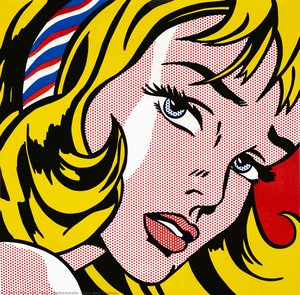
Acrylic On CanvasWallArtPop Art
 1962Modern
 106.0 x 106.0 cm
Druk giclée lub płótno o jakości muzealnej, szybka realizacja i szeroki wybór opcji wykończenia. ( Przełącz na obraz ręcznie malowany Przełącz na obraz)





























Wybierz spośród naszych standardowych rozmiarów, które zachowują oryginalne proporcje dzieła sztuki.

Możesz wprowadzić własne wymiary, aby dopasować dzieło do konkretnej ramy lub przestrzeni. Jeśli wybrany rozmiar nie będzie odpowiadał proporcjom oryginalnego obrazu, przytniecie dzieło lub rozszerzymy obraz za pomocą odbicia lustrzanego lub jednolitego wypełnienia krawędzi. Przed rozpoczęciem produkcji prześlemy cyfrową wizualizację do Twojej akceptacji.
Prosimy pamiętać, że podgląd na ekranie nie odzwierciedla faktycznego przycinania ani rozszerzania. Tylko wizualizacja dokładnie pokaże końcową kompozycję.
Mimo dostępności niestandardowych rozmiarów, zalecamy wybór wymiaru z listy zdefiniowanej, aby zachować oryginalne proporcje.
Dostawa na cały świat () w ciągu 2 tygodni zamiast standardowych 4/5 tygodni. (11 Sierpień)


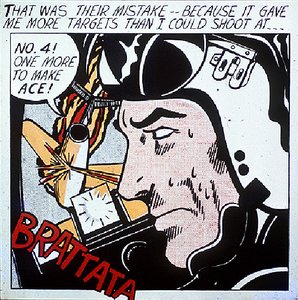
Brattata
Wymiary reprodukcji
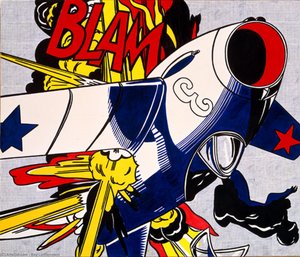
Roy Lichtenstein's “Brattata,” completed in 1962, stands as a cornerstone of Pop Art—a movement that irrevocably challenged artistic conventions and embraced imagery derived from popular culture. Measuring 106 x 106 cm and residing within the Tehran Museum of Contemporary Art’s collection, this oil on canvas painting transcends mere representation; it's an audacious reimagining of comic book aesthetics into a sophisticated form of visual art.
At its genesis lies DC Comics’ “All-American Men of War” #89, January–February 1962. Lichtenstein wasn't merely copying; he was actively interrogating the visual language of comics—a medium known for its bold lines, flat colors, and stylized narratives—transforming it into a statement of artistic ambition. The panel depicts a tense aerial combat scenario featuring a pilot battling enemy aircraft, capturing the dynamism and immediacy characteristic of comic book storytelling.
Lichtenstein’s masterful technique—the deliberate incorporation of Ben-Day dots—is central to “Brattata’s” impact. This method, borrowed from commercial printing processes, meticulously replicates the halftone shading found in comic books. Thick black outlines delineate figures and shapes with precision, while stylized shading contributes to a sense of depth without resorting to traditional perspective. The artist's intention was not simply to reproduce but to elevate the conventions of comics into the realm of fine art, questioning notions of artistic skill and originality.
Beyond its visual style, “Brattata” pulsates with narrative energy. Above the pilot’s helmet is a text balloon bearing the phrase "That was their mistake - because it gave me more targets than I could have shot at," encapsulating a moment of strategic calculation amidst the chaos of battle. The inclusion of onomatopoeia—the word “BRATTATA”—further amplifies the painting's dramatic impact, mirroring the sounds of gunfire and reinforcing its connection to comic book conventions.
“Brattata” isn’t merely a stylistic exercise; it reflects Lichtenstein’s own formative experiences as a United States Army pilot during World War II. Like other works from his aeronautical genre—including “Jet Pilot,” “Bratatat!,” and “Okay Hot-Shot, Okay!”—the painting embodies Lichtenstein's fascination with military imagery and his desire to explore themes of courage and conflict. The meticulous depiction of the gun sight and cockpit control panel by Russ Heath underscores Lichtenstein’s commitment to capturing realistic details while maintaining the distinctive aesthetic of comic art.

1923 - 1997 , Stany Zjednoczone

Master your space with bold Pop Art. Discover trend-setting ways to use high-impact colors and iconic pieces like Lichtenstein to create visual harmony. Elevate your home with premium, hand-painted reproductions and custom art commissions designed for the modern collector.


Bądź na bieżąco z najnowszymi wiadomościami ze świata sztuki, ekskluzywnymi ofertami i inspiracjami dekoratorskimi.
Opowiedz nam o swoim projekcie, a nasi eksperci przygotują dla Ciebie 3 spersonalizowane propozycje dzieł sztuki.
Przygotujemy dla Ciebie 3 propozycje zupełnie za darmo!


 Podgląd w skali
 Wyślij jako kartkę
 Udostępnij
 Szczegóły dzieła

 Pobierz
 Podobne obiekty
 RTG
RTG Pokaz slajdów
 Rozwiń treść







 Opcja ze szkłem jest dostępna wyłącznie w rozmiarach poniżej 110 cm