Ręcznie malowany obraz olejny na płótnie, wykonany na zamówienie przez naszych artystów w wybranym przez Ciebie wymiarze i oprawie. ( Zamów wydruk Kup obraz wysokiej rozdzielczości)





























Wybierz spośród naszych standardowych rozmiarów, które zachowują oryginalne proporcje dzieła sztuki.

Możesz wprowadzić własne wymiary, aby dopasować obraz do konkretnej ramy lub przestrzeni. Jeśli wybrany rozmiar nie będzie odpowiadał proporcjom oryginału, przytniecie dzieło sztuki lub rozszerzymy je o dodatkowe elementy, ręcznie domalowane przez artystę. Przed rozpoczęciem produkcji wyślemy projekt cyfrowy do Twojej akceptacji.
Należy pamiętać, że podgląd na ekranie nie odzwierciedla rzeczywistego przycinania ani rozszerzania obrazu. Tylko projekt dokładnie pokaże ostateczną kompozycję.
Choć oferujemy możliwość zamówienia niestandardowych rozmiarów, zalecamy wybór wymiaru z gotowej listy, aby zachować oryginalne proporcje dzieła.
Dostawa na całym świecie () w ciągu 3–4 tygodni zamiast standardowych 5 tygodni. (18 Sierpień). Bez kompromisów w kwestii jakości.


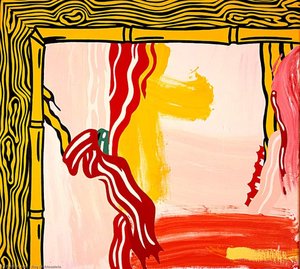
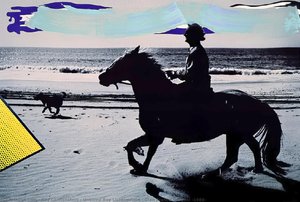
Reflections Untitled (1988)
Wymiary reprodukcji
In his 1988 masterpiece, Reflections Untitled, Roy Lichtenstein invites the viewer into a world where the boundaries between natural beauty and graphic precision dissolve. The painting presents a breathtakingly serene beach scene, bathed in the radiant, optimistic glow of a golden yellow sky. This luminous atmosphere sets the stage for a landscape that feels both intimately familiar and strikingly otherworldly. Lush, stylized trees punctuate the horizon, providing a structural depth that frames a tranquil expanse of deep blue water. Upon this liquid mirror, soft, fluffy white clouds drift lazily, while a solitary boat rests gently upon the surface, acting as a silent anchor for the composition. It is a snapshot of coastal calm, capturing a moment of stillness that feels suspended in time.
The brilliance of this work lies in Lichtenstein’s masterful command of the Pop Art aesthetic. Moving far beyond mere representation, he employs his signature Ben-Day printing technique to create a visual language that mimics the mechanical texture of mass media and comic strips. Through the meticulous application of halftone patterns and bold color gradations, the artist achieves a striking clarity. The simplicity of the forms—the flattened sky, the geometric trees, and the iconic silhouette of the boat—serves as a deliberate departure from traditional realism. Instead, Lichtenstein embraces a graphic strength that celebrates the power of simplified shapes and high-contrast palettes, making the piece an extraordinary specimen of late 20th-century modernism.
Created during a period of significant artistic evolution following the dominance of Abstract Expressionism, Reflections Untitled stands as a testament to Lichtenstein’s ability to bridge the gap between high art and popular culture. By the late 1980s, his work had become a profound commentary on how mass media shapes our perception of reality. The painting does not merely depict a landscape; it interrogates the very way we consume images of nature through the lens of consumerist aesthetics. The vibrant yellow hues do more than provide light; they symbolize an enduring energy and optimism, which stands in beautiful, rhythmic contrast to the calming, meditative blues of the ocean.
For the discerning collector or interior designer, this artwork offers much more than a decorative element; it provides a focal point of intellectual and emotional engagement. The piece evokes a profound sense of nostalgia, reminiscent of carefree summer days and the timeless allure of the seaside, yet its bold, contemporary execution ensures it remains strikingly modern. Whether placed in a sophisticated gallery setting or as a centerpiece in a curated residential space, Reflections Untitled radiates a captivating energy. It is an invitation to contemplate the beauty of the natural world through a lens of structured, graphic elegance, making it an essential acquisition for those who appreciate art that is both visually arresting and deeply thought-provoking.


1923 - 1997 , Stany Zjednoczone
Odkryj 25 arcydzieł Roy Lichtensteina – ikony pop artu, które zrewolucjonizowały sztukę XX wieku. Poznaj historie, techniki i inspiracje za słynnymi obrazami. Reprodukcje najwyższej jakości na BuyPopArt.com! Eksploruj pełną kolekcję online.
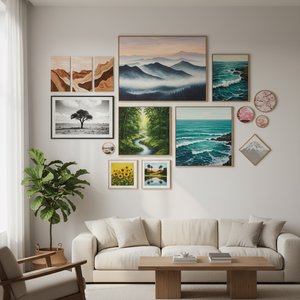
Odkryj 10 arcydzieł krajobrazu w sztuce! Poznaj historie Moneta, van Gogha i Turnera. Inspiracje pejzażami, techniki malarskie i reprodukcje najwyższej jakości na BuyPopArt.com. Znajdź idealny obraz do Twojego wnętrza!

Explore the captivating world of Pop Surrealism. Discover how vibrant Pop Art meets dreamlike subconscious imagery through the works of masters like Jeff Soto and Ryan Heshka. An expert guide for discerning collectors seeking to understand this profound contemporary art movement.
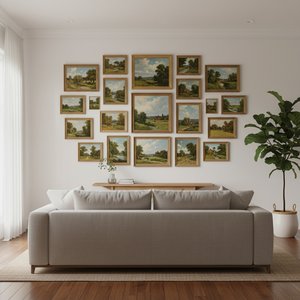
Odkryj 25 arcydzieł Johna Constable'a – mistrza angielskiego krajobrazu! Poznaj romantyczne pejzaże, technikę malarską i inspiracje z Dedham Vale. Reprodukcje obrazów najwyższej jakości na BuyPopArt.com. Eksploruj pełną kolekcję online!

Odkryj 10 arcydzieł romantyzmu w malarstwie! Poznaj historie Caspara Davida Friedricha, Turnera i innych mistrzów. Inspiracje wnętrzarskie & reprodukcje obrazów najwyższej jakości na BuyPopArt.com. Eksploruj kolekcję online!


Bądź na bieżąco z najnowszymi wiadomościami ze świata sztuki, ekskluzywnymi ofertami i inspiracjami dekoratorskimi.
Opowiedz nam o swoim projekcie, a nasi eksperci przygotują dla Ciebie 3 spersonalizowane propozycje dzieł sztuki.
Przygotujemy dla Ciebie 3 propozycje zupełnie za darmo!


 Podgląd w skali
 Wyślij jako kartkę
 Udostępnij
 Szczegóły dzieła

 Pobierz
 Podobne obiekty
 RTG
RTG Pokaz slajdów

 Rozwiń treść







 Opcja ze szkłem jest dostępna wyłącznie w rozmiarach poniżej 110 cm