

 Acrylic On CanvasWallArtCapitalist Realism
 1968
1968 60.0 x 50.0 cm
 Fundacja Serralves
Kup wysokiej rozdzielczości, ulepszony obraz cyfrowy o znacznie wyższej jakości niż podgląd online.
Każdy plik jest starannie przygotowywany przez naszych specjalistów przy użyciu zaawansowanych narzędzi oraz profesjonalnej, ręcznej retuszy. Dbamy o to, aby każdy obraz cechował się wyjątkową ostrością, precyzyjnym odwzorowaniem kolorów i subtelnymi detalami.
Ostateczny plik dostarczany jest drogą mailową w ciągu 72 godzin, zoptymalizowany do natychmiastowego wykorzystania w profesjonalnych zastosowaniach redakcyjnych i poligraficznych. To ta sama jakość, której ufają czołowe studia projektowe, wydawnictwa oraz galerie sztuki.
Pobierz plik o wysokiej rozdzielczości do osobistego wyświetlania, druku oraz projektów kreatywnych. ( Zamów wydruk Zamów ręcznie malowaną reprodukcję)
Wybierając BuyPopArt.com, nie otrzymujesz jedynie obrazu – otrzymujesz profesjonalnie udoskonalone cyfrowe dzieło sztuki, stworzone z najwyższą precyzją i objęte gwarancją satysfakcji. Oto wszystko, co automatycznie dołączane jest do Twojego zamówienia:

Plik z obrazem cyfrowym w wysokiej rozdzielczości zostanie przesłany na Twój adres e-mail w ciągu 72 godzin od złożenia zamówienia – gotowy do natychmiastowego użycia.

Twoja grafika została profesjonalnie zoptymalizowana przy użyciu zaawansowanych narzędzi AI oraz ręcznej edycji, co zapewnia maksymalną szczegółowość, klarowność i wierność kolorów.

Przypadkowo usunąłeś lub zgubiłeś swój plik? Bez obaw – prześlemy go Tobie ponownie w dowolnym momencie, bez żadnych opłat.

Ciesz się swoją sztuką natychmiast, bez żadnych opłat celnych, należności ani kosztów dostawy – pliki cyfrowe są zawsze wolne od podatku.

Dzięki zastosowaniu profesjonalnych narzędzi i procesów zarządzania barwą zapewniamy, że Twoje cyfrowe zdjęcie odzwierciedla oryginalne kolory tak wiernie, jak to tylko możliwe.

Jeśli nie będziesz zadowolony ze swojego cyfrowego obrazu, dokonamy jego poprawki lub zwrócimy 100% kosztów w ciągu 60 dni – bez żadnych pytań.

Nie jesteś zadowolony? Otrzymaj pełny zwrot kosztów w ciągu 60 dni od otrzymania pliku cyfrowego – bez zbędnych pytań.

Kup 3 obrazy, oszczędź 10% - Kup 5, oszczędź 15% - Kup 10+, oszczędź 20%. Idealne do projektów kreatywnych, galerii i agencji.
Sigmar Polke's "Sem título" (1968), a deceptively simple grid of black and white photographs, is far more than just a collection of meticulously arranged objects. It’s a profound exploration of memory, displacement, and the inherent instability of visual perception – themes deeply rooted in the artist’s own turbulent personal history. Born in Poland amidst the upheaval of World War II and subsequently forced to flee to Germany as a child, Polke carried with him an indelible awareness of precariousness and the fragmented nature of identity. This photograph, executed during a pivotal period of artistic experimentation in Düsseldorf, embodies this sensibility through its stark austerity and deliberate reduction of visual information.
The photographs themselves depict a series of still lifes – commonplace objects like furniture fragments, cutlery, and small decorative items – presented against uniformly neutral backgrounds. The compositions are remarkably geometric, emphasizing the inherent shapes and forms of each element. There’s an almost clinical precision to their arrangement, yet this formality is immediately undercut by the deliberate use of shadow and light. Polke masterfully employs a consistent lighting scheme that casts deep, dramatic shadows, lending a sense of weight and solidity to the seemingly mundane subjects. The perspective is frontal and straightforward, eschewing any illusionistic depth or attempt at creating a convincing three-dimensional space. This flattening effect reinforces the photograph’s conceptual core – it's not about depicting reality, but rather about distilling it down to its essential components.
“Sem título” is inextricably linked to Polke’s influential movement, “Kapitalistischer Realismus,” which he co-founded with Gerhard Richter and Konrad Fischer (alias Konrad Lueg) in the early 1960s. This artistic stance rejected the prevailing avant-garde trends of the time, rejecting both abstract expressionism and socialist realism. Instead, it embraced a deliberately uninspired, almost banal style of imagery – mimicking the aesthetic conventions of advertising, mass media, and consumer culture. Polke’s work in this period reflects this ethos; the photographs are devoid of any overt emotionality or artistic pretension, mirroring the detached, repetitive visuals found in commercial art. This deliberate lack of stylistic flourish serves to highlight the inherent artificiality of representation itself, prompting viewers to question how we perceive and interpret images.
The technical execution of “Sem título” is as significant as its conceptual content. Polke’s approach involved a careful balance between control and chance. He utilized a Rollei camera, meticulously framing each composition before capturing the image. However, the subsequent printing process introduced an element of unpredictability. Polke experimented with techniques such as chemical staining and manipulation of negatives and positives, creating layered images that defy simple categorization. The photographs are not simply reproductions of the original arrangements; they’re transformed through a complex interplay of light, shadow, and photographic chemistry. This deliberate blurring of boundaries between photography and painting reflects Polke's broader interest in exploring the limits of both mediums.
Despite its apparent simplicity, “Sem título” is rich with symbolic meaning. The arrangement of objects – seemingly ordinary items elevated to a sculptural form – can be interpreted as a meditation on memory and loss. The starkness of the black and white palette evokes a sense of melancholy and detachment, mirroring Polke’s own experience of displacement and exile. The photographs subtly suggest a feeling of fragmentation and instability, reflecting the artist's awareness of the precariousness of identity in a rapidly changing world. Ultimately, “Sem título” is not merely a visual record; it’s an evocative exploration of the human condition – a poignant reminder of the enduring power of memory and the complexities of perception.
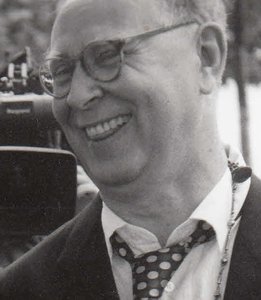
1941 - 2010 , Polska


Bądź na bieżąco z najnowszymi wiadomościami ze świata sztuki, ekskluzywnymi ofertami i inspiracjami dekoratorskimi.
Opowiedz nam o swoim projekcie, a nasi eksperci przygotują dla Ciebie 3 spersonalizowane propozycje dzieł sztuki.
Przygotujemy dla Ciebie 3 propozycje zupełnie za darmo!


 Podgląd w skali
 Wyślij jako kartkę
 Udostępnij
 Szczegóły dzieła

 Pobierz
 Podobne obiekty
 RTG
RTG Pokaz slajdów
 Rozwiń treść


