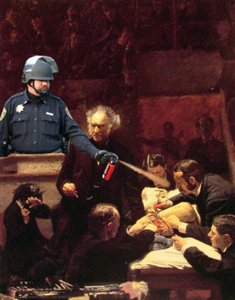
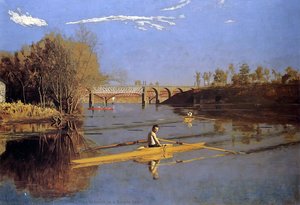
Druk giclée lub płótno o jakości muzealnej, szybka realizacja i szeroki wybór opcji wykończenia. ( Kup ręcznie malowany obraz Kup obraz cyfrowy)





























Wybierz spośród naszych standardowych rozmiarów, które zachowują oryginalne proporcje dzieła sztuki.

Możesz wprowadzić własne wymiary, aby dopasować dzieło do konkretnej ramy lub przestrzeni. Jeśli wybrany rozmiar nie będzie odpowiadał proporcjom oryginalnego obrazu, przytniecie dzieło lub rozszerzymy obraz za pomocą odbicia lustrzanego lub jednolitego wypełnienia krawędzi. Przed rozpoczęciem produkcji prześlemy cyfrową wizualizację do Twojej akceptacji.
Prosimy pamiętać, że podgląd na ekranie nie odzwierciedla faktycznego przycinania ani rozszerzania. Tylko wizualizacja dokładnie pokaże końcową kompozycję.
Mimo dostępności niestandardowych rozmiarów, zalecamy wybór wymiaru z listy zdefiniowanej, aby zachować oryginalne proporcje.
Dostawa na cały świat () w ciągu 2 tygodni zamiast standardowych 4/5 tygodni. (12 Sierpień)


Salutat
Wymiary reprodukcji
Thomas Cowperthwait Eakins (1844-1916), born in Philadelphia, stands as a cornerstone of American art history. Unlike many artists of his era preoccupied with grand narratives or romantic ideals, Eakins relentlessly pursued the depiction of everyday life—the world of doctors, rowers, and hunters—with an unwavering commitment to anatomical precision and psychological insight.
His formative years instilled in him a profound appreciation for observation and scientific inquiry. This dedication would propel him to become one of the most influential realist painters of the late nineteenth century, challenging conventions and establishing a new standard for artistic representation. Eakins’s Philadelphia was not a city of picturesque vistas; it was a crucible of intellectual ferment—a place where he honed his skills and developed his distinctive vision.
Eakins’ artistic approach stemmed from a deep understanding of human anatomy. He meticulously studied musculature, striving to capture the subtle nuances of posture and movement—a practice that would inform his paintings with remarkable accuracy. This scientific rigor extended beyond mere anatomical representation; it served as a springboard for exploring psychological states.
Furthermore, Eakins favored a monochromatic palette—primarily shades of gray—to heighten emotional resonance. By eliminating color, he focused the viewer’s gaze on form and texture, emphasizing the expressive qualities of light and shadow. This technique underscores his belief that visual art could convey profound truths about human experience.
"Salutat" isn't simply a portrait; it’s an invitation to delve into the complexities of human consciousness. Eakins skillfully captures the vulnerability inherent in solitude—the man’s averted gaze conveying a sense of introspection and confronting unspoken anxieties.
The painting’s deliberate simplicity amplifies its impact, prompting viewers to consider questions of identity and perception. Like Elizabeth at the Piano and Portrait of Professor Henry A. Rowland – also available on BuyPopArt.com – “Salutat” exemplifies Eakins's unwavering dedication to portraying the human condition with unflinching honesty.

1844 - 1916 , Stany Zjednoczone

Explore the profound depth of American Realism. From the gritty Ashcan School to poignant social landscapes, discover how masters captured the raw soul of a nation through evocative oil paintings and timeless art history.


Bądź na bieżąco z najnowszymi wiadomościami ze świata sztuki, ekskluzywnymi ofertami i inspiracjami dekoratorskimi.
Opowiedz nam o swoim projekcie, a nasi eksperci przygotują dla Ciebie 3 spersonalizowane propozycje dzieł sztuki.
Przygotujemy dla Ciebie 3 propozycje zupełnie za darmo!


 Podgląd w skali
 Wyślij jako kartkę
 Udostępnij
 Szczegóły dzieła

 Pobierz
 Podobne obiekty
 RTG
RTG Pokaz slajdów


 Rozwiń treść







 Opcja ze szkłem jest dostępna wyłącznie w rozmiarach poniżej 110 cm