Oil On CanvasWallArtBaroque
 1508
1508 39.0 x 53.0 cm
 Accademia Carrara
Ręcznie malowany obraz olejny na płótnie, wykonany na zamówienie przez naszych artystów w wybranym przez Ciebie wymiarze i oprawie. ( Zamów wydruk Kup obraz wysokiej rozdzielczości)





























Wybierz spośród naszych standardowych rozmiarów, które zachowują oryginalne proporcje dzieła sztuki.

Możesz wprowadzić własne wymiary, aby dopasować obraz do konkretnej ramy lub przestrzeni. Jeśli wybrany rozmiar nie będzie odpowiadał proporcjom oryginału, przytniecie dzieło sztuki lub rozszerzymy je o dodatkowe elementy, ręcznie domalowane przez artystę. Przed rozpoczęciem produkcji wyślemy projekt cyfrowy do Twojej akceptacji.
Należy pamiętać, że podgląd na ekranie nie odzwierciedla rzeczywistego przycinania ani rozszerzania obrazu. Tylko projekt dokładnie pokaże ostateczną kompozycję.
Choć oferujemy możliwość zamówienia niestandardowych rozmiarów, zalecamy wybór wymiaru z gotowej listy, aby zachować oryginalne proporcje dzieła.
Dostawa na całym świecie () w ciągu 3–4 tygodni zamiast standardowych 5 tygodni. (20 Sierpień). Bez kompromisów w kwestii jakości.


Orpheus and Eurydice
Wymiary reprodukcji
Titian’s “Orpheus and Eurydice,” painted in 1508, isn't merely a depiction of a Greek myth; it’s a profound meditation on love, loss, and the agonizing beauty of unattainable desire. Within the confines of its relatively modest dimensions – measuring just 39 x 53 centimeters – resides a world brimming with dramatic tension and an almost unbearable sense of sorrow. The painting immediately commands attention not through bombastic scale, but through the sheer emotional weight it carries, a testament to Titian’s mastery in conveying complex human experience.
The scene unfolds within a meticulously rendered landscape, a carefully constructed stage for this tragic drama. It's a Venetian vista—rolling hills punctuated by distant cityscapes and dense foliage—but one imbued with an unsettling atmosphere. The architecture, subtly reminiscent of theatrical sets, isn’t simply decorative; it actively participates in the narrative, suggesting the artificiality of the situation and the distance between Orpheus’s world and the realm of the dead. The darkening sky, a bruised purple-grey, foreshadows the inevitable doom that awaits Eurydice, while the softer luminescence along the horizon hints at the precarious transition between life and death – a visual metaphor for the fragile boundary between hope and despair.
This early work showcases the nascent brilliance of Titian’s style, firmly establishing him as a leading figure in the Venetian Renaissance. It's a pivotal piece in his artistic development, demonstrating his burgeoning interest in realistic depiction and his remarkable ability to evoke intense emotions through color and composition. The painting is characterized by its rich, layered application of oil paint—a hallmark of Titian’s technique—creating a surface that seems to shimmer with an almost tactile quality. He employs *glazes*, thin layers of translucent paint applied over dried underlayers, building up depth and luminosity with astonishing subtlety. This layering creates a remarkable sense of atmosphere and contributes significantly to the painting's emotional resonance.
Titian’s use of color is particularly striking. He eschews the stark contrasts often associated with earlier Renaissance painters, opting instead for a more nuanced palette—a symphony of earthy tones punctuated by flashes of vibrant blues and greens. The warm ochres and browns dominate the landscape, grounding the scene in a sense of earthly reality, while the cooler hues of the distant city create a visual counterpoint to the fiery drama unfolding in the foreground. The figure of Eurydice is rendered with a delicate pallor, emphasizing her vulnerability and highlighting the stark contrast between life and death.
Beyond its narrative power, “Orpheus and Eurydice” is rich in symbolic meaning. The snake biting Eurydice represents not just mortality but also the inescapable nature of loss—a wound that can never truly heal. Orpheus’s desperate reaching towards his wife embodies the universal human longing for connection and the agonizing pain of separation. The theatrical setting, with its stage-like composition, suggests the performative quality of grief – a public display of sorrow in the face of an unbearable tragedy. The very act of looking back, a seemingly simple gesture, becomes a symbol of fatal hubris, illustrating how even the most ardent desire can lead to irreversible destruction.
The inclusion of the shepherd and young woman in the foreground adds another layer of complexity to the scene. They represent the world that Orpheus has left behind—a world of earthly pleasures and distractions—and serve as a poignant reminder of what he has lost. Their presence underscores the irreversible nature of Eurydice’s fate, emphasizing the impossibility of reclaiming what is irrevocably gone.
“Orpheus and Eurydice” remains one of Titian's most celebrated works, admired for its emotional intensity, technical brilliance, and enduring power. It’s a painting that continues to resonate with viewers centuries after it was created, prompting reflection on the nature of love, loss, and the human condition. High-quality reproductions capture only a fraction of the original’s luminous depth and emotive force, but they offer a valuable opportunity to experience this masterpiece firsthand – a poignant reminder of a timeless lament etched in paint.
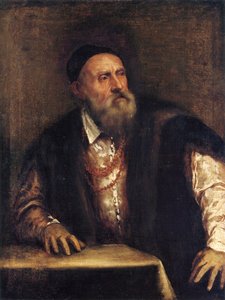
1490 - 1576 , Włochy

Poznaj fascynujący świat barokowego klasycyzmu! Analiza ideologii kontrreformacji, syntezy antyku z dramatyzmem oraz mistrzowskich technik malarskich. Ekspercka wiedza o sztuce XVII wieku.

Explore the revolutionary techniques & enduring legacy of Titian, the master of Venetian Renaissance portraiture. Discover insights for collectors & appreciate his impact on art history.

Odkryj fascynującą historię mitów w sztuce Zachodu! Analizujemy wpływ greckich bogów na ikonografię, reinterpretacje klasycznych opowieści i ich obecność we współczesnej kulturze. Ekspercka wiedza dla miłośników sztuki.

Odkryj świat barokowego przepychu! Porady ekspertów jak wprowadzić elegancję i dramat do Twojego wnętrza. Inspiracje, charakterystyka stylu i praktyczne wskazówki.

Explore the life & work of Guido Reni, a master of Baroque classicism. Discover his iconic religious & mythological paintings, and understand his enduring influence on art history. Expert analysis for collectors.


Bądź na bieżąco z najnowszymi wiadomościami ze świata sztuki, ekskluzywnymi ofertami i inspiracjami dekoratorskimi.
Opowiedz nam o swoim projekcie, a nasi eksperci przygotują dla Ciebie 3 spersonalizowane propozycje dzieł sztuki.
Przygotujemy dla Ciebie 3 propozycje zupełnie za darmo!


 Podgląd w skali
 Wyślij jako kartkę
 Udostępnij
 Szczegóły dzieła

 Pobierz
 Podobne obiekty
 RTG
RTG Pokaz slajdów
 Rozwiń treść







 Opcja ze szkłem jest dostępna wyłącznie w rozmiarach poniżej 110 cm