

Druk giclée lub płótno o jakości muzealnej, szybka realizacja i szeroki wybór opcji wykończenia. ( Przełącz na obraz ręcznie malowany Przełącz na obraz)





























Wybierz spośród naszych standardowych rozmiarów, które zachowują oryginalne proporcje dzieła sztuki.

Możesz wprowadzić własne wymiary, aby dopasować dzieło do konkretnej ramy lub przestrzeni. Jeśli wybrany rozmiar nie będzie odpowiadał proporcjom oryginalnego obrazu, przytniecie dzieło lub rozszerzymy obraz za pomocą odbicia lustrzanego lub jednolitego wypełnienia krawędzi. Przed rozpoczęciem produkcji prześlemy cyfrową wizualizację do Twojej akceptacji.
Prosimy pamiętać, że podgląd na ekranie nie odzwierciedla faktycznego przycinania ani rozszerzania. Tylko wizualizacja dokładnie pokaże końcową kompozycję.
Mimo dostępności niestandardowych rozmiarów, zalecamy wybór wymiaru z listy zdefiniowanej, aby zachować oryginalne proporcje.
Dostawa na cały świat () w ciągu 2 tygodni zamiast standardowych 4/5 tygodni. (11 Sierpień)


Barson-N
Wymiary reprodukcji
Victor Vasarely’s “Barson-N” stands as a testament to the burgeoning fascination with optical illusions during the mid-20th century – specifically, Op Art. Born Károly Vaszary in Pécs, Croatia (then Austria-Hungary), Vasarely embarked on an artistic journey that began with medical studies but swiftly pivoted towards visual expression fueled by the influential Bauhaus movement.
The painting itself is deceptively simple at first glance. It presents a mesmerizing arrangement of concentric circles interwoven with intersecting triangles against a muted beige background. These geometric forms aren’t merely decorative; they actively manipulate perception, creating an unsettling yet captivating effect where shapes appear to shift and vibrate subtly as the viewer moves across the canvas.
Vasarely's formative years at Sándor Bortnyik’s Műhely solidified his commitment to functional design principles and geometric abstraction – core tenets of the Bauhaus school. This intellectual grounding profoundly shaped his artistic vision, prioritizing clarity and precision over representational accuracy.
Bauhaus championed a radical departure from traditional academic art, advocating for an aesthetic rooted in mathematical ratios and elemental forms. Vasarely embraced this ethos wholeheartedly, distilling complex visual concepts into meticulously crafted geometric compositions.
“Barson-N” exemplifies the essence of Op Art – Optical Art – a movement spearheaded by Vasarely and Bridget Riley in the 1960s. Artists like Vasarely deliberately sought to disrupt viewers’ expectations about how they perceive visual stimuli.
Through techniques such as illusionistic layering and subtle variations in color, Op Art artists aimed to generate an optical vibration that tricked the eye into perceiving movement where none existed. This was achieved by exploiting the way our brains process visual information—specifically, how retinal cells respond to light and color changes.
While ostensibly devoid of recognizable imagery, “Barson-N” possesses a powerful symbolic resonance. The circles represent wholeness and unity – concepts central to Vasarely’s philosophical explorations into the nature of consciousness and perception. Simultaneously, the triangles inject dynamism and tension into the composition, mirroring the underlying complexities of human experience.
Ultimately, Vasarely's masterpiece invites contemplation on how our senses shape our understanding of reality. It’s a visual paradox that lingers in the mind long after viewing—a reminder that beauty can reside in abstraction and that art has the capacity to challenge our assumptions about what we see.
Vasarely employed a meticulous layering technique, applying thin washes of color onto canvas followed by subsequent additions of opaque pigments. This method ensured maximum luminosity and allowed for precise control over tonal variations—crucial elements in achieving the desired optical illusion.
“Barson-N” remains an iconic example of geometric abstraction and Op Art’s enduring influence on contemporary art and design. Its exploration of visual perception continues to inspire artists and designers today, demonstrating Vasarely's unwavering dedication to pushing artistic boundaries and redefining our relationship with the world around us.

1906 - 1997 , Chorwacja

Odkryj 10 arcydzieł abstrakcji geometrycznej! Poznaj historię Mondriana, Kandinskiego i Maleвича. Inspiracje wnętrzarskie z malarstwem abstrakcyjnym – reprodukcje najwyższej jakości na BuyPopArt.com. Eksploruj kolekcję online!

Explore the revolutionary world of Victor Vasarely, father of Op Art. Discover his geometric masterpieces, artistic system, & lasting impact on modern design. A guide for discerning art collectors.
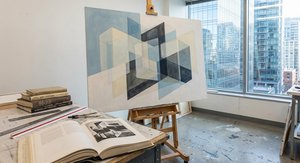
Poznaj fascynującą historię abstrakcji geometrycznej – od rosyjskiej awangardy po wpływ na współczesną sztukę i design. Ekskluzywne analizy, kluczowi artyści i perspektywy inwestycyjne dla kolekcjonerów.

Odkryj fascynujący świat orfizmu! Poznaj historię Roberta i Sonii Delaunay, teoretyczne podstawy tego ruchu oraz jego wpływ na sztukę XX wieku. Ekskluzywny artykuł dla miłośników sztuki nowoczesnej.
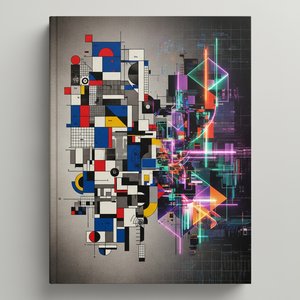
Odkryj fascynującą historię abstrakcji geometrycznej w sztuce XX i XXI wieku! Analiza kluczowych nurtów, artystów i technik. Ekspercka wiedza dla kolekcjonerów na BuyPopArt.com.


Bądź na bieżąco z najnowszymi wiadomościami ze świata sztuki, ekskluzywnymi ofertami i inspiracjami dekoratorskimi.
Opowiedz nam o swoim projekcie, a nasi eksperci przygotują dla Ciebie 3 spersonalizowane propozycje dzieł sztuki.
Przygotujemy dla Ciebie 3 propozycje zupełnie za darmo!


 Podgląd w skali
 Wyślij jako kartkę
 Udostępnij
 Szczegóły dzieła

 Pobierz
 Podobne obiekty
 RTG
RTG Pokaz slajdów
 Rozwiń treść







 Opcja ze szkłem jest dostępna wyłącznie w rozmiarach poniżej 110 cm


