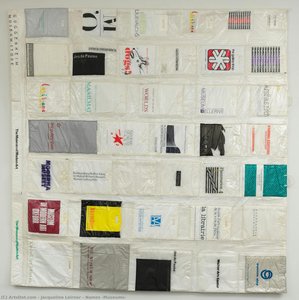
1999
1999 246.0 x 146.0 cm
Ręcznie malowany obraz olejny na płótnie, wykonany na zamówienie przez naszych artystów w wybranym przez Ciebie wymiarze i oprawie. ( Kup wydruk Kup obraz cyfrowy)
Wybierz spośród naszych standardowych rozmiarów, które zachowują oryginalne proporcje dzieła sztuki.

Możesz wprowadzić własne wymiary, aby dopasować obraz do konkretnej ramy lub przestrzeni. Jeśli wybrany rozmiar nie będzie odpowiadał proporcjom oryginału, przytniecie dzieło sztuki lub rozszerzymy je o dodatkowe elementy, ręcznie domalowane przez artystę. Przed rozpoczęciem produkcji wyślemy projekt cyfrowy do Twojej akceptacji.
Należy pamiętać, że podgląd na ekranie nie odzwierciedla rzeczywistego przycinania ani rozszerzania obrazu. Tylko projekt dokładnie pokaże ostateczną kompozycję.
Choć oferujemy możliwość zamówienia niestandardowych rozmiarów, zalecamy wybór wymiaru z gotowej listy, aby zachować oryginalne proporcje dzieła.
Dostawa na całym świecie () w ciągu 3–4 tygodni zamiast standardowych 5 tygodni. (12 Sierpień). Bez kompromisów w kwestii jakości.


Untitled
Wymiary reprodukcji
Wang Dongling, born in Rudong, China, in 1945, stands as one of the most revered figures in contemporary Chinese art. His journey is a fascinating synthesis of rigorous classical training – specifically, his deep immersion in traditional calligraphy – with an increasingly bold exploration of abstract expressionism. More than simply an artist, Dongling embodies a bridge between centuries-old artistic heritage and the dynamic spirit of modern China, forging a unique visual language that continues to captivate audiences worldwide.
Dongling’s early life was steeped in the discipline of calligraphy. He began his formal training at the Zhejiang Academy, laying a foundational understanding of brushwork, ink control, and the profound philosophical undercurrents embedded within Chinese writing. This grounding proved crucial as he later transitioned to a more experimental approach, driven by an insatiable curiosity about the possibilities beyond representational art. His shift wasn’t abrupt; rather, it was a gradual evolution fueled by exposure to Western abstract expressionism – movements like those of Pollock and Rothko – which ignited within him a desire to liberate calligraphy from its traditional constraints.
Dongling’s most recognized body of work, often referred to as “calligraphic paintings,” represents the culmination of this transformative journey. These monumental pieces are not mere imitations of calligraphy; they are entirely new artistic expressions born from a deep respect for their roots. He describes these works as "poetry painted," meticulously layering calligraphic forms onto vast canvases with an almost meditative intensity. The process is deeply performative, often involving extended periods of intense brushwork and physical exertion – mirroring the very act of writing itself.
Central to Dongling’s approach is his deliberate use of monochrome palettes, predominantly shades of grey. This choice isn't arbitrary; it serves to heighten the focus on texture, gesture, and the inherent dynamism of the ink. The absence of color forces the viewer to engage with the materiality of the medium – the subtle variations in tone, the delicate interplay of wet and dry brushstrokes, and the sheer physicality of the artwork. His work is frequently described as “abstract ink art,” a term that accurately captures its unique blend of tradition and innovation.
A defining characteristic of Dongling’s practice is his incorporation of performance into the creation of his ‘calligraphic paintings.’ He doesn't simply apply ink to canvas; he *performs* the act of writing, translating poems – often from classical Chinese literature – into gestural abstractions. These performances are not mere demonstrations of skill but deeply ritualistic events, imbued with a sense of spiritual intensity. As Roberta Smith noted in her New York Times review, Dongling “liberates calligraphic gesture, form and space from the bounds of text.”
This emphasis on embodied action is further explored through his technique of ‘chemical photography.’ By directly applying ink to silver-gelatin photographic paper, he captures the very traces of his movements – the pressure of his brush, the angle of his hand, the subtle shifts in tone. This process creates a layered dialogue between performance and image, revealing the intimate connection between the artist’s body and the artwork.
Wang Dongling's work has garnered widespread recognition both within China and internationally. He is considered one of the foremost living calligraphers in China, holding the distinction of being granted three solo exhibitions at the National Art Museum of China. His pieces have been exhibited extensively across Europe, North America, and Asia, including prestigious venues such as the Metropolitan Museum of Art in New York and the British Museum in London.
Currently, Dongling serves as Director of the Modern Calligraphy Research Center at the China Academy of Arts in Hangzhou, continuing to nurture and promote the art form he has so profoundly shaped. His legacy extends beyond individual artworks; he represents a vital link between China’s rich artistic past and its dynamic future, demonstrating how tradition can be both honored and reimagined through innovative expression.

1945 - , China


Bądź na bieżąco z najnowszymi wiadomościami ze świata sztuki, ekskluzywnymi ofertami i inspiracjami dekoratorskimi.
Opowiedz nam o swoim projekcie, a nasi eksperci przygotują dla Ciebie 3 spersonalizowane propozycje dzieł sztuki.
Przygotujemy dla Ciebie 3 propozycje zupełnie za darmo!


 Podgląd w skali
 Wyślij jako kartkę
 Udostępnij
 Szczegóły dzieła

 Pobierz
 Podobne obiekty
 RTG
RTG Pokaz slajdów
 Rozwiń treść




































 Opcja ze szkłem jest dostępna wyłącznie w rozmiarach poniżej 110 cm