

Druk giclée lub płótno o jakości muzealnej, szybka realizacja i szeroki wybór opcji wykończenia. ( Zamów ręcznie malowaną reprodukcję Kup obraz wysokiej rozdzielczości)





























Wybierz spośród naszych standardowych rozmiarów, które zachowują oryginalne proporcje dzieła sztuki.

Możesz wprowadzić własne wymiary, aby dopasować dzieło do konkretnej ramy lub przestrzeni. Jeśli wybrany rozmiar nie będzie odpowiadał proporcjom oryginalnego obrazu, przytniecie dzieło lub rozszerzymy obraz za pomocą odbicia lustrzanego lub jednolitego wypełnienia krawędzi. Przed rozpoczęciem produkcji prześlemy cyfrową wizualizację do Twojej akceptacji.
Prosimy pamiętać, że podgląd na ekranie nie odzwierciedla faktycznego przycinania ani rozszerzania. Tylko wizualizacja dokładnie pokaże końcową kompozycję.
Mimo dostępności niestandardowych rozmiarów, zalecamy wybór wymiaru z listy zdefiniowanej, aby zachować oryginalne proporcje.
Dostawa na cały świat () w ciągu 2 tygodni zamiast standardowych 4/5 tygodni. (17 Sierpień)


Frances Arnold
Wymiary reprodukcji
William Hogarth, born in London in 1697, stands as a pivotal figure in English art history—a painter who simultaneously championed realism and satiric critique. His oeuvre transcends mere visual representation; it's a meticulously crafted chronicle of the social landscape of his era, capturing both its grandeur and its hypocrisy with unflinching honesty.
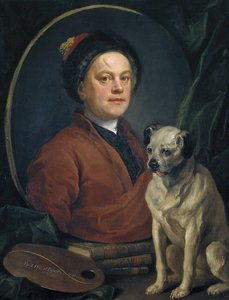
Frances Arnold exemplifies Hogarth’s distinctive approach to portraiture during the Rococo period. Unlike the opulent embellishments favored by aristocratic patrons, Hogarth eschews excessive ornamentation, opting instead for a restrained palette dominated by soft pastel hues—primarily yellows and creams—that imbue the scene with an atmosphere of warmth and tranquility. This deliberate choice underscores Hogarth’s humanist sensibility, prioritizing psychological insight over superficial grandeur.
Beyond its aesthetic qualities, Frances Arnold speaks volumes about the social milieu of Hogarth’s time. The inclusion of musical instruments—a lute and a harp—and books symbolizes Arnold’s education and intellectual pursuits, aligning with Hogarth's fascination in portraying individuals from diverse backgrounds and demonstrating an understanding of societal values.
The painting’s impact extends beyond its depiction of a single woman; it serves as a microcosm of Rococo ideals – beauty, refinement, and moral contemplation. It invites viewers to consider the complexities of human character and the role of art in shaping perceptions of social status.
Hogarth’s masterful execution is achieved through meticulous oil painting techniques. He skillfully blended pigments to create subtle gradations of color, capturing the nuances of light and shadow with remarkable accuracy. The layering process ensured that each brushstroke contributed to a textured surface that conveyed both visual richness and tactile depth.
Frances Arnold is firmly rooted in the Rococo movement—a stylistic reaction against the formality of Baroque art—which flourished in Britain during the reign of Queen Anne (1702-1714). The Rococo aesthetic prioritized lightness, grace, and decorative embellishment, reflecting a shift towards aristocratic leisure and artistic patronage. Hogarth’s work stands apart from its contemporaries by grounding itself in observable reality.
The painting's visual elements—the woman’s attire, her serene demeanor, and the surrounding objects—are laden with symbolic significance. They embody Rococo ideals of beauty and virtue, representing Arnold as an exemplar of feminine grace and intellectual refinement.
Ultimately, Frances Arnold transcends mere portraiture; it evokes a feeling of quiet contemplation—a subtle invitation to appreciate the beauty of human experience. Hogarth’s ability to convey emotion through visual means underscores his enduring legacy as one of England's most perceptive and influential artists.
1697 - 1764 , Wielka Brytania

Discover how Victorian botanical art is transforming modern spaces. Explore high-impact floral aesthetics, from Marianne North's tropical drama to bold, hand-painted reproductions that bring vintage scientific beauty into contemporary urban design.


Bądź na bieżąco z najnowszymi wiadomościami ze świata sztuki, ekskluzywnymi ofertami i inspiracjami dekoratorskimi.
Opowiedz nam o swoim projekcie, a nasi eksperci przygotują dla Ciebie 3 spersonalizowane propozycje dzieł sztuki.
Przygotujemy dla Ciebie 3 propozycje zupełnie za darmo!


 Podgląd w skali
 Wyślij jako kartkę
 Udostępnij
 Szczegóły dzieła

 Pobierz
 Podobne obiekty
 RTG
RTG Pokaz slajdów
 Rozwiń treść







 Opcja ze szkłem jest dostępna wyłącznie w rozmiarach poniżej 110 cm


