Pałac Królewski w Madrycie

Kluczowe informacje

  • Art types:
    • inne techniki
    • sztuka ścienna
  • Historical periods: xix wiek
  • Location: Madrid, Hiszpania
  • Mediums:
    • akryl na płótnie
    • farba olejna na płycie
    • olej na płótnie
  • Rozwiń…
  • Movements: northern renaissance
  • Works on APS: 15
  • Featured artists:
    • Francisco de Goya
    • Juan de Flandes
    • William Merritt Chase
    • Juan De Flandes
    • John George Brown
  • Alternate names:
    • Pałac Królewski Madryt
    • Patrimonio Nacional

Quiz o sztuce

Na każde pytanie jest tylko jedna prawidłowa odpowiedź.

Pytanie 1:
Jak nazywa się największy pałac królewski w Europie?
Pytanie 2:
Kiedy zbudowano nowy pałac królewski na miejscu starego Alcázaru?
Pytanie 3:
Kim zaprojektowano wnętrza Pałacu Królewskiego Madrytu?
Pytanie 4:
Jaką styl architektoniczną cechuje się fasada Pałacu Królewskiego Madrytu?
Pytanie 5:
Którzy malarze stworzyli dzieła sztuki znajdujące się w Pałacu Królewskim Madrytu?

A Palace Breathing History: The Royal Palace of Madrid

The Palacio Real de Madrid isn’t merely a building; it's a palimpsest of Spanish history, an opulent testament to shifting dynasties and artistic currents etched into stone and canvas. Standing proudly in the heart of Madrid, this sprawling palace—the largest functioning royal palace in Western Europe—offers visitors not just a glimpse into regal life but an immersive journey through centuries of Spanish identity. It’s a place where echoes of coronations mingle with whispers of revolution, where the scent of beeswax polish blends with the ghosts of monarchs past. The very foundations resonate with the dramas played out within its walls, from the Bourbon ambitions of Charles III to the poignant struggles for liberty depicted in Goya's masterpieces. More than just a residence, it’s a living chronicle of Spain’s evolution, a breathtaking fusion of architectural styles and artistic brilliance. The palace’s architecture itself is a compelling dialogue between eras. Primarily constructed during the reign of Charles III in the late 18th century, it represents a masterful synthesis of Baroque grandeur and Neoclassical refinement—a deliberate homage to the splendor of Versailles while firmly rooted in Spanish tradition. The symmetrical façade dominating Plaza Oriente speaks volumes about the Bourbon desire for stability and power; its imposing scale and meticulous detailing – marble floors that gleam under sunlight, stucco ceilings adorned with intricate floral patterns, and gilded ornamentation that seems to shimmer with captured light – elevate every space into a realm of opulent beauty. Architects Ventura Rodríguez and Juan Batlle y Morenés skillfully blended these influences, creating a structure that feels both monumental and inviting, a testament to the era’s belief in harmony and proportion. Beyond the grand façade, numerous courtyards unfold, each a miniature world of fountains cascading with crystalline water, sculptures depicting allegorical figures, and meticulously manicured gardens—offering tranquil respites from the palace's vastness and hinting at the private lives lived behind these imposing walls.

Treasures Within: A Journey Through Spanish Artistic Prowess

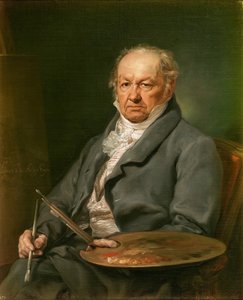
The Royal Palace houses an astounding array of artworks spanning centuries – a panoramic view of Spain’s artistic heritage, from the Renaissance to Romanticism. The collection is not simply a display of objects; it's a narrative woven through brushstrokes and sculpted forms. Central to this story are undoubtedly the masterpieces by Diego Velázquez and Francisco Goya, whose canvases capture the spirit of their respective eras with unparalleled realism and psychological insight. Velázquez’s *Las Meninas* remains one of the most debated and revered paintings in the world, a complex interplay of perspective, symbolism, and human interaction that continues to fascinate scholars and artists alike. It's a portrait within a portrait, a meditation on power, representation, and the very nature of art itself. Goya’s dramatic depictions of historical events – particularly *The Third of May 1808* – stand as searing indictments of war and oppression, poignant reminders of Spain’s long struggle for liberty and justice. These works are not merely beautiful; they are profoundly moving testaments to the human condition. Beyond these iconic paintings, the palace boasts an extraordinary collection of decorative arts: exquisite porcelain from Sevres, tapestries depicting scenes from Spanish history and mythology, and furniture crafted by renowned artisans – each piece a testament to craftsmanship and royal patronage.

The Royal Armoury: A Chronicle of Military History

A remarkable assemblage of weaponry and armor dating back to the medieval period through the Napoleonic era—a tangible chronicle of Spanish military history—is housed within the palace’s walls. The Royal Armoury is not just a collection of gleaming metal; it's a visual record of evolving fashions in warfare, technological advancements, and the changing role of the Spanish army. From intricately crafted helmets adorned with plumes and heraldic emblems to imposing breastplates designed for maximum protection, from elegant swords and daggers to formidable shields—every piece tells a story of skill, artistry, and military might. The sheer scale of the collection is breathtaking, offering visitors a rare opportunity to examine the evolution of weaponry over centuries and to appreciate the dedication and craftsmanship that went into creating these magnificent artifacts. It’s a powerful reminder of Spain's long and complex history as a military power.

Beyond the Walls: A Palace Shaped by Monarchs

The Palacio Real has not merely witnessed history; it has been an active participant in it. From coronations to celebrations, from diplomatic engagements to periods of siege during the Peninsular War, the palace has served as a stage for pivotal moments shaping Spain’s destiny. Subsequent monarchs have left their indelible mark through ambitious renovations and embellishments, adapting the palace to reflect changing tastes and aspirations – a testament to Spain's enduring commitment to artistic excellence. The reign of Charles III saw the introduction of Italian Baroque influences, while Ferdinand VII brought in lavish French chandeliers, reflecting the evolving styles of European courts. Today, the Palacio Real continues to evolve, hosting rotating exhibitions that showcase both Spanish art history and contemporary artistic endeavors, ensuring its relevance for generations to come. Ongoing preservation efforts, utilizing cutting-edge technologies, safeguard its architectural integrity and artworks, guaranteeing that future visitors can experience the splendor of this timeless monument—a palace that truly breathes history.

Visiting the Palacio Real: An Immersive Experience

Visiting the Palacio Real is more than just a tour; it’s an immersion into the soul of Spain. Allow ample time to wander through its vast halls, marvel at the intricate details of its architecture and artwork, and imagine the lives lived within its walls. Consider booking a guided tour to gain deeper insights into the palace's history and significance. And don’t miss the opportunity to explore the beautiful Campo del Moro gardens – a tranquil oasis offering respite from the grandeur of the palace itself. The Royal Palace is not just a museum; it’s a living, breathing testament to Spain’s rich cultural heritage—a destination that will leave you captivated and inspired.