


Impressão giclée ou em tela de qualidade de museu, com produção rápida e opções flexíveis de acabamento. ( Mudar para pintura feita à mão Alternar para Imagem)
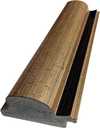

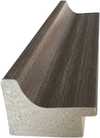
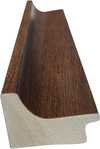
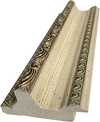

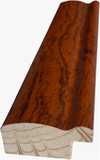
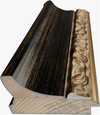
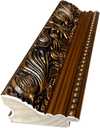
Escolha entre os nossos tamanhos pré-definidos que respeitam as proporções originais da obra de arte.

Você pode inserir suas próprias dimensões para se ajustar a uma moldura ou espaço específico. Se o tamanho selecionado não corresponder às proporções da imagem original, iremos recortar a obra de arte ou estender a imagem com uma borda espelhada ou preenchimento sólido. Um mockup digital será enviado para sua aprovação antes do início da produção.
Por favor, observe que a visualização na tela não reflete o recorte ou a extensão real. Apenas o mockup mostrará com precisão a composição final.
Embora tamanhos personalizados estejam disponíveis, recomendamos selecionar uma dimensão da lista predefinida para preservar as proporções originais.
Entrega mundial () em 2 semanas, em vez das 4/5 semanas padrão. (31 Julho)


Jupiter
Dimensões da Reprodução
In the heart of Parma’s historic grandeur lies a masterpiece that transcends the boundaries of mere decoration, inviting the viewer into a divine realm of myth and emotion. Agostino Carracci’s fresco, Jupiter, serves as a breathtaking centerpiece for the Hall of Loves, where the ceiling opens up to a celestial drama. This work is not merely a painting but an immersive experience, designed to draw the eye upward toward a heavenscape populated by the playful yet profound figures of the classical world. As one gazes upon this vault, the boundaries between the physical architecture and the painted sky dissolve, creating an illusionistic window into the mythological past.
The composition is anchored by a dynamic arrangement of cherubic figures, whose soft, rounded forms dance across an octagonal frame. These figures, rendered with the masterful disegno characteristic of the Bolognese school, embody the very essence of Baroque theatricality. One can almost feel the tension in the air as Cupid prepares his arrows, a moment frozen in time that captures both the innocence of childhood and the inevitable power of desire. The movement is fluid and rhythmic, guiding the observer's gaze through a landscape of swirling clouds, lush foliage, and rugged terrain, ensuring that every angle offers a new perspective on this divine narrative.
Technically, the fresco stands as a triumph of the fresco technique, where pigments are breathed into wet plaster to create a luminous, enduring finish. Carracci utilizes a sophisticated palette of warm earth tones—rich ochres, deep browns, and creamy highlights—which ground the ethereal subject matter in a sense of organic reality. These warm hues are masterfully contrasted against the cool, receding blues and verdant greens of the distant landscape, creating an atmospheric perspective that lends the composition an extraordinary sense of depth.
The use of light is perhaps the most emotive element of the work. An unseen, divine light source emanates from above, casting dramatic shadows that sculpt the muscularity of the cherubs and define the textures of the rocky outcrops. This chiaroscuro effect does more than provide dimension; it imbues the scene with a sense of spiritual weight and drama. For the discerning collector or interior designer, such a piece offers a profound sense of luxury and classical sophistication, providing a focal point that radiates both warmth and intellectual depth.
Beyond its aesthetic brilliance, Jupiter is steeped in profound allegorical meaning. The Hall of Loves is governed by the guiding principle "OMNIA VINCET AMOR"—Love Conquers Everything. Every element within the fresco serves this theme. The arrows of Cupid are not merely weapons but symbols of the irresistible force of affection that binds the universe together. The interplay between the soft, fleshy textures of the cherubs and the rugged, unyielding landscape reflects the union of tenderness and strength.
To possess a high-quality reproduction of this work is to bring a piece of the Italian Renaissance's transition into the Baroque era into a modern space. It is an invitation to contemplate the eternal themes of beauty, grace, and the enduring power of passion. Whether gracing a grand library, a formal dining hall, or a curated gallery, this artwork serves as a timeless testament to Agostino Carracci’s ability to bridge the gap between the human experience and the divine mythos.

1557 - 1602 , Itália

Descubra o afresco como legado familiar! Explore a história, técnica e conservação da pintura mural. Encontre reproduções de alta qualidade em .

Explore the rich history & enduring artistry of fresco painting – from Giotto to Michelangelo! Discover techniques, conservation efforts, & modern applications. Learn how BuyPopArt brings this timeless art form to your home.

Descubra o poder emocional de um afresco personalizado! Transforme seu lar com arte exclusiva e atemporal. Artistas experientes, técnica ancestral e resultados impressionantes.

Explore the rich history & enduring legacy of fresco painting! Discover ancient techniques, Giotto's masterpieces, and modern applications. Expert insights for art lovers & professionals.

Explore the rich history & enduring artistry of fresco painting. Discover techniques from Giotto to Michelangelo, conservation efforts, & modern applications. Learn how BuyPopArt brings this timeless art form to your home.


Fique por dentro das últimas notícias de arte, ofertas exclusivas e ideias de decoração.
Conte-nos sobre o seu projeto e os nossos especialistas em arte fornecerão 3 sugestões de arte personalizadas.
Deixe-nos selecionar 3 opções especialmente para você – Grátis!


 Visualizar em escala
 Enviar
 Compartilhar
 Detalhes da obra

 Baixar
 Semelhantes
 Raio X
 Slideshow


 Ver mais
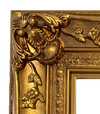
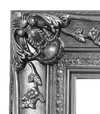
 A opção de vidro está disponível apenas para tamanhos inferiores a 110 cm


